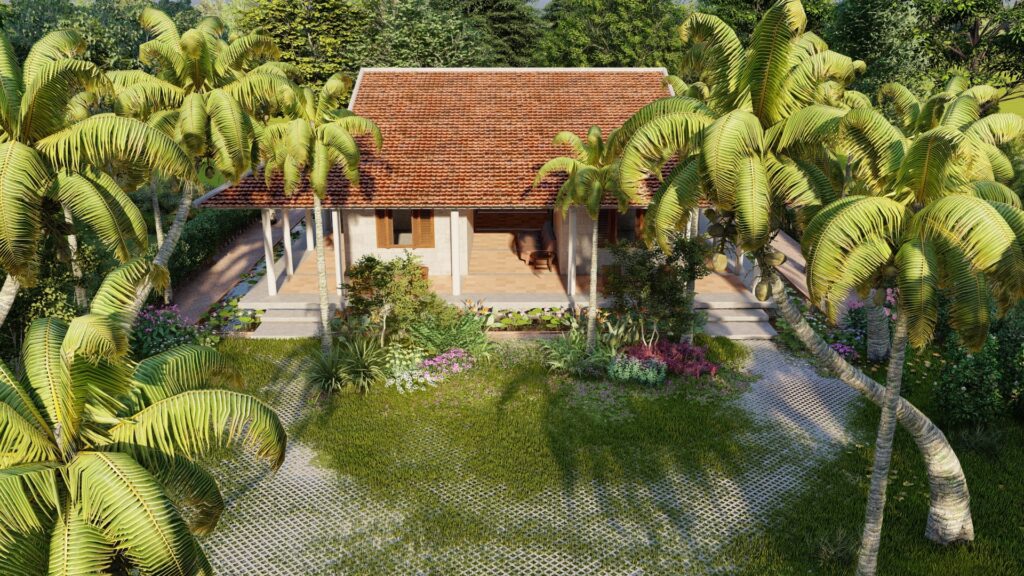
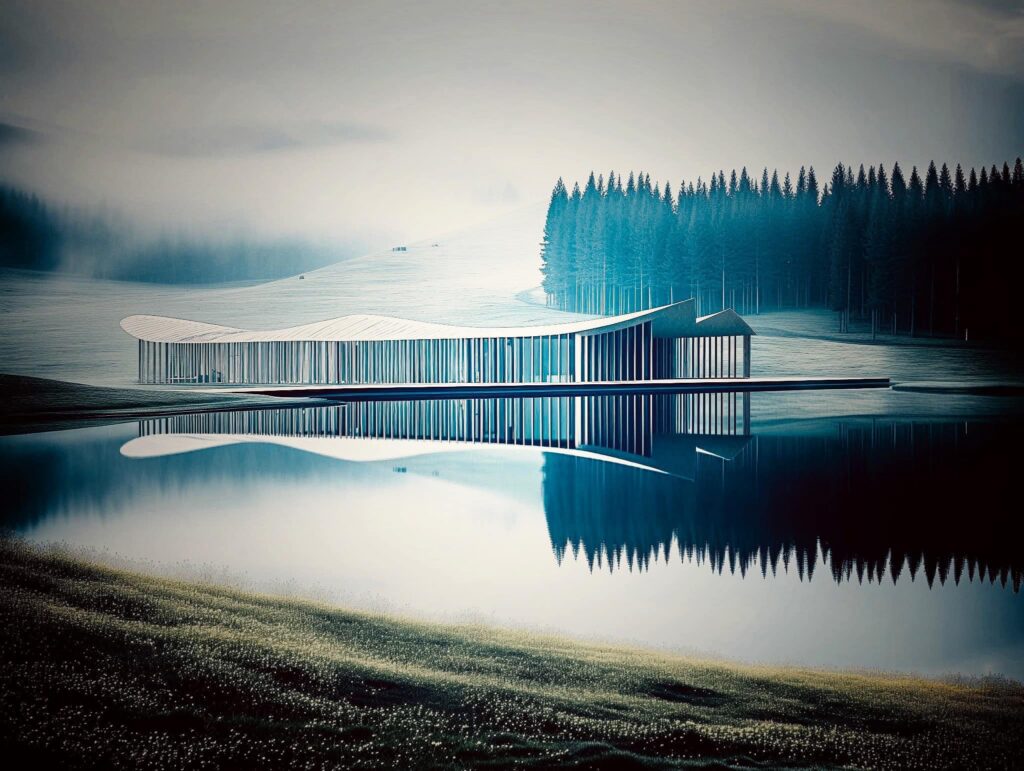
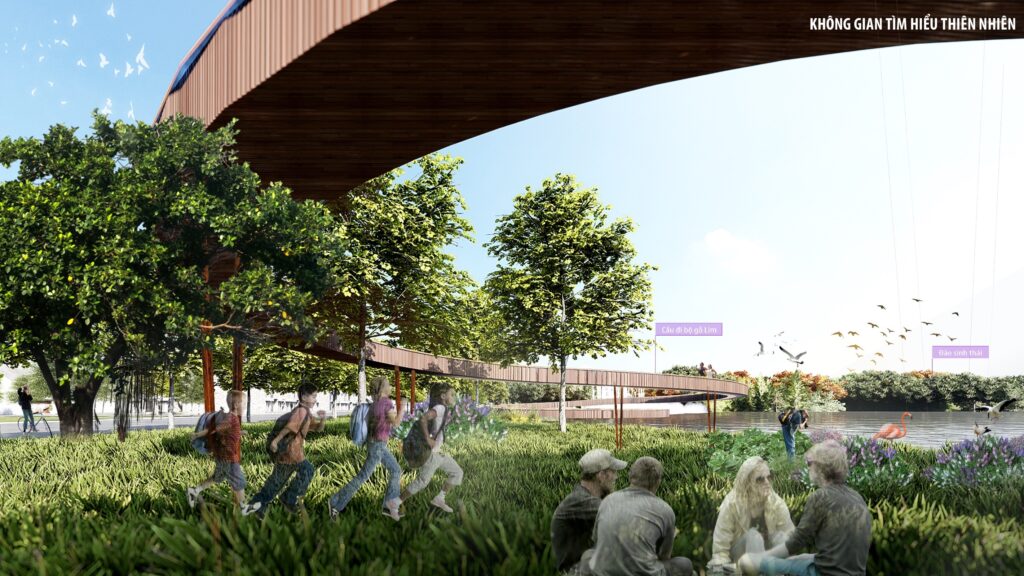
Lake Community Park is situated at the heart of the Huong Thuy new urban area, approximately 13.5 km southeast of Hue city center. The Park is conveniently located near Phu Bai Airport and the North-South railway line, just 3.5 km from Huong Thuy station, offering easy access for tourists traveling to and from the area.
Lake Community Park is built upon five core values:
- Green Lung: The park features over 23% water surface area and over 16% natural coverage.
- Central Location: Strategically positioned to connect neighboring areas and Hue city center.
- Transport Hubs (TOD): Integrated with national highways, railways, and aviation systems.
- Balanced Spaces: Harmonizing ecological, agricultural, and eco-residential areas.
- Enhanced Land Use Value: Diversifying functions based on ecological footprints to maximize value.
Next project | Talkshow SẮC MƯA


Có nơi nào trong ta chưa hề có mưa! Mưa là một cái cớ để yêu nhau, để nhìn về những hoài niệm và cảm xúc. Talkshow Sắc mưa là giọt cảm xúc rơi vào chính bản thân, để gột rửa, để dẫn lối ta chầm chậm cảm nhận cuộc sống. Thông qua chia sẻ của các diễn giả với góc nhìn kiến trúc, văn thơ, nhạc và họa. Để nhìn ngắm một “chiếc tôi” đáng yêu thông qua tọa đàm này, ta cho mình một trải nghiệm mới, một cảm nhận tâm tính của mưa, và đôi khi là của chính mình…
Ngày 11/5/2024 vừa qua, chuỗi toạ đàm Color & More được thực hiện bởi nhóm Color & More, ấn phẩm KT&ĐS và công ty Paint & More đã mở đầu với chủ đề “Sắc mưa” diễn ra tại OneCoat Studio 458A Điện Biên Phủ, phường 17, quận Bình Thạnh, TP.HCM. Các diễn giả tham gia gồm PGS. TS. KTS. Nguyên Hạnh Nguyên, Bác sĩ CKII Đặng Bảo Ngọc, KTS Hồ Viết Vinh và họa sĩ Việt Anh.
Mời xem Talkshow Sắc mưa qua các nội dung bên dưới:
Next project | Maison de Corail

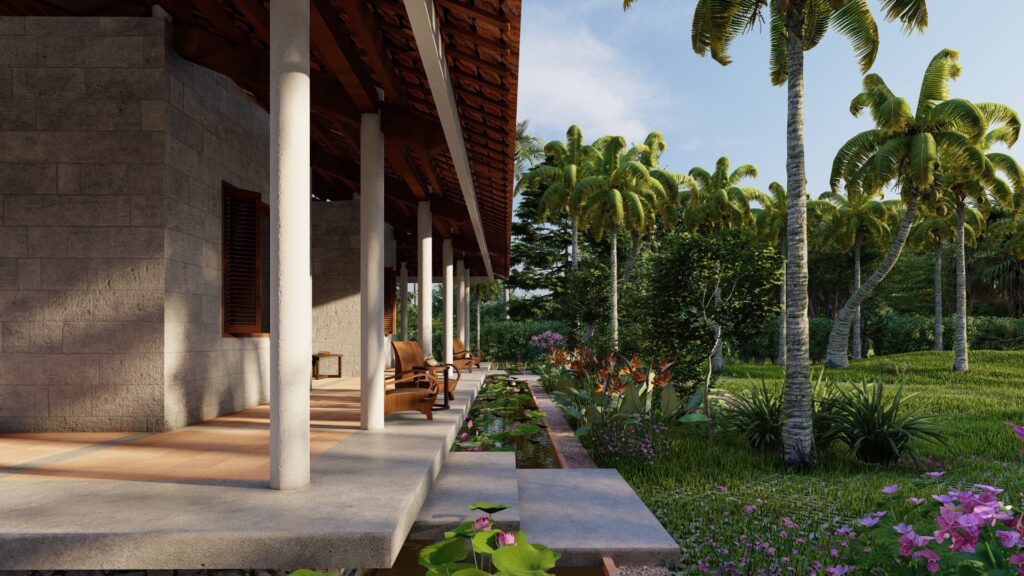
The concept of the project is a hybrid space without fixed determinations or boundaries. We envision a space that seamlessly integrates botany, meditation, and art—a sanctuary where individuals can care for themselves slowly and mindfully, embracing relaxation.

Drawing inspiration from nostalgia and natural materials, the space is crafted by artisans and adorned with artworks that celebrate beauty in imperfection, echoing real environments. The façade is constructed from breezeway blocks, allowing sunlight and natural ventilation to flow through, eliminating the need for artificial air conditioning systems.

A spiral staircase wraps around the courtyard, featuring a rendered banister and concrete treads, leading to an open art workshop and meditation space designed to inspire tranquility and creativity.


Coral house. Source: DALO LAB
“Ẩn tàng chốn lạ mà quen
Lá chen mây trắng hoa chèn sắc hương
Ngõ vương ánh nắng qua đường
Yêu thương đọng lại khu vườn ngày xưa.”
“Strange but familiar hidden place
Leaves insert flowers into white clouds
Light alley across the street
Love leaves the old garden. ”
Architect. Ho Viet Vinh
The overarching goal is to foster a minimalist lifestyle that honors the slow passage of time. Lava stones, with their textured surfaces, reflect dynamic shades as sunlight moves throughout the day, creating an ever-changing interplay of forms and light.
Type
Residential
Year
2020
Location
Ho Tram, Ba Ria Vung Tau
Team
Ho Viet Vinh, Tran Thanh Hai, Le Van Thoi, Ngo Dang Linh
Contractor
Cuong Quang Construction
Interior Designer
Ho Viet Vinh
Structural Engineer
Nam Vie
Photo
Ho Viet Vinh
Next project | Artist Ca Le Thang and the exhibition “Dong Chim Day Nuoc”
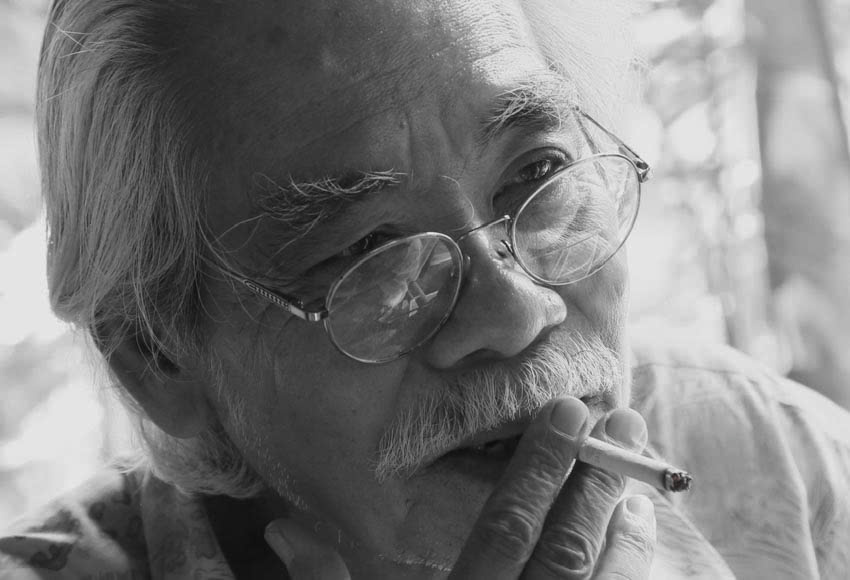
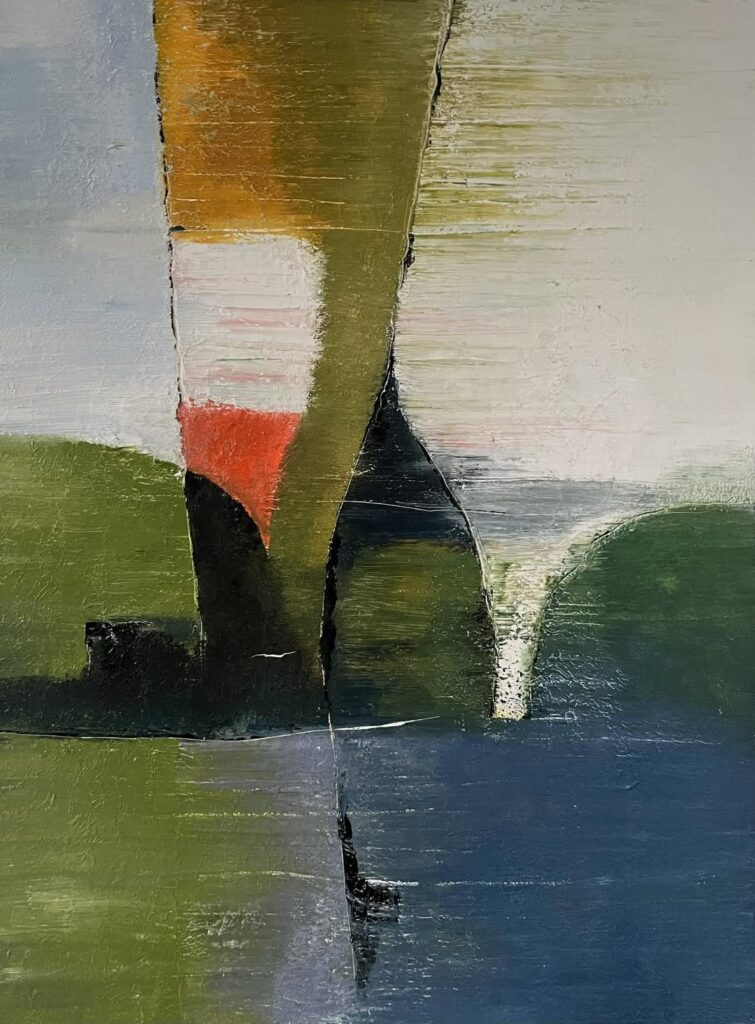
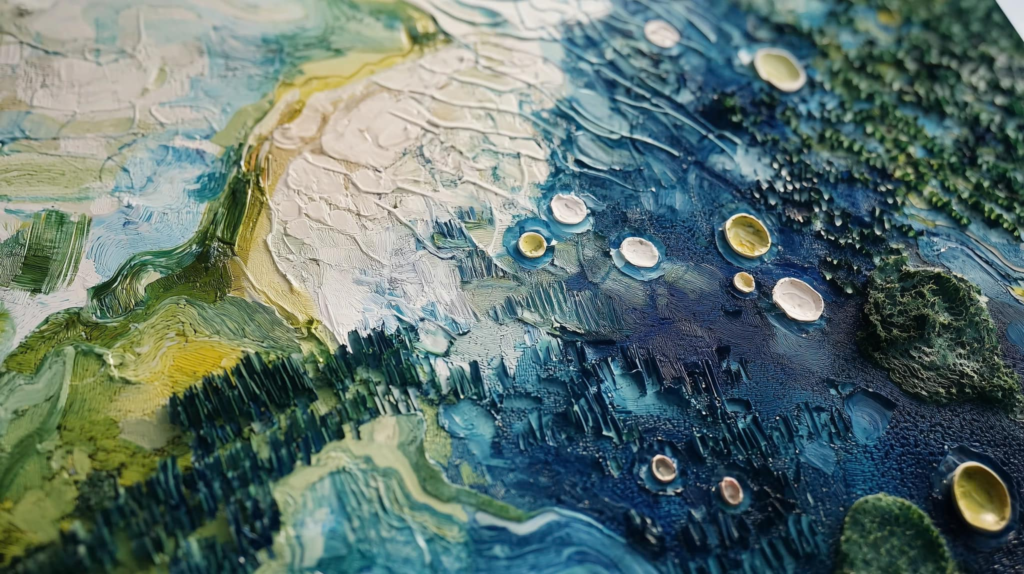
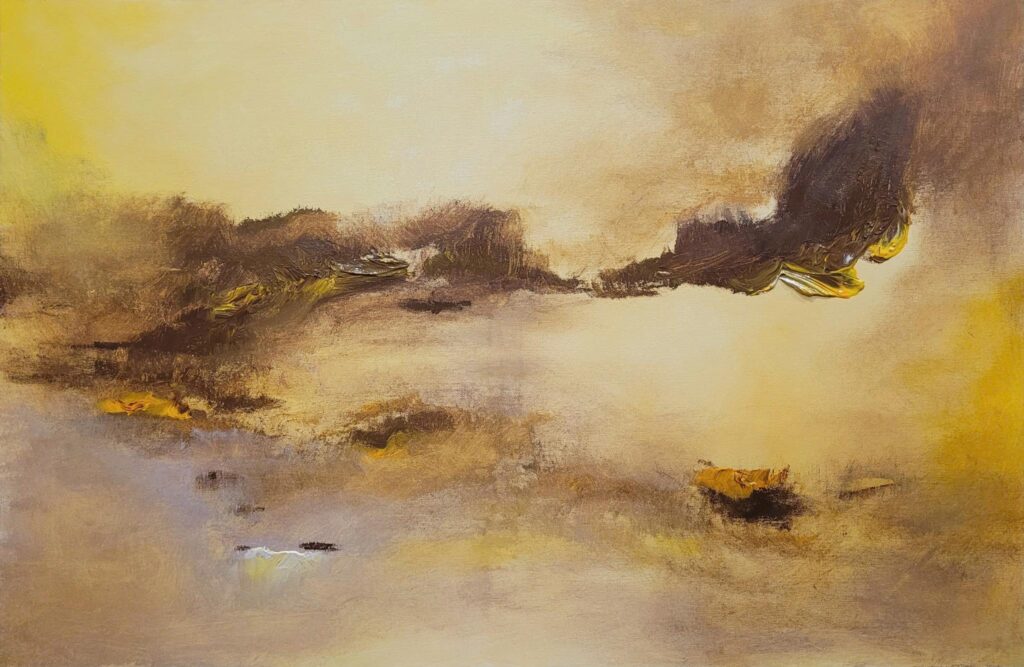
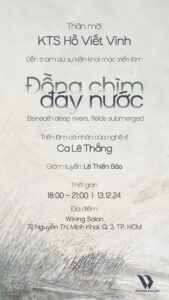
The exhibition “Dong Chim Day Nuoc”, taking place at Wiking Salon from December 14, 2024 to January 19, 2025, is an event marking the more than three-decade artistic journey of the famous painter Ca Le Thang. With more than 20 emotional works, the exhibition not only reflects childhood memories of the flood season in the West, but also tells the story of inner rebirth through abstract art. Curated by Le Thien Bao, this event promises to bring an in-depth look at the journey of searching for and affirming the unique artistic language of one of the pioneers of Vietnamese fine arts.
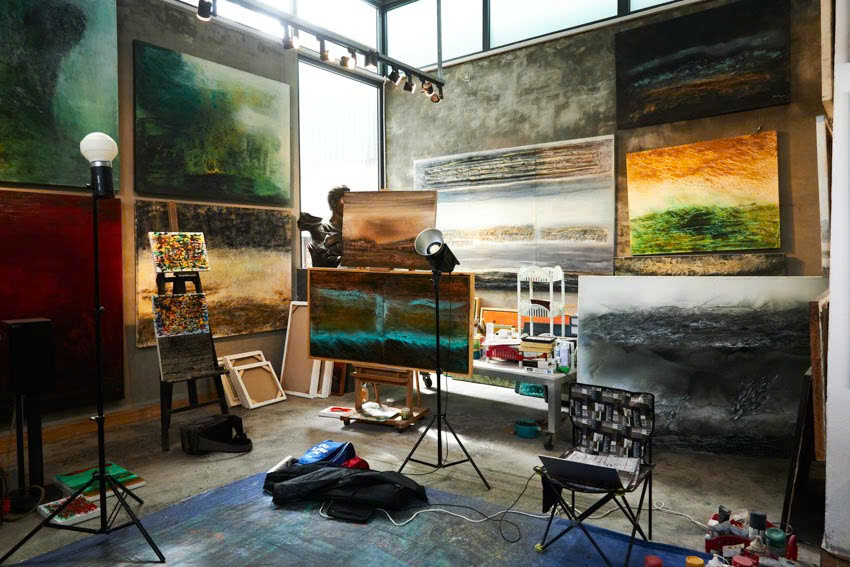
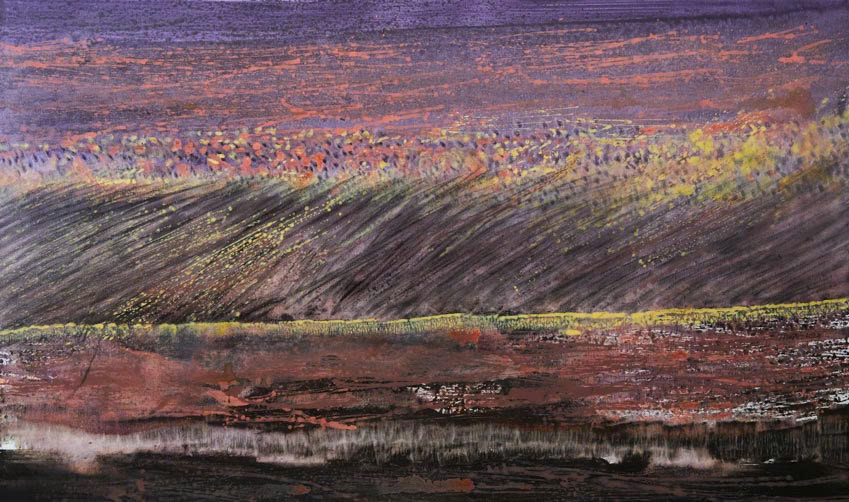
2024, oil, acrylic and mixed media on canvas, 170 x 100 cm
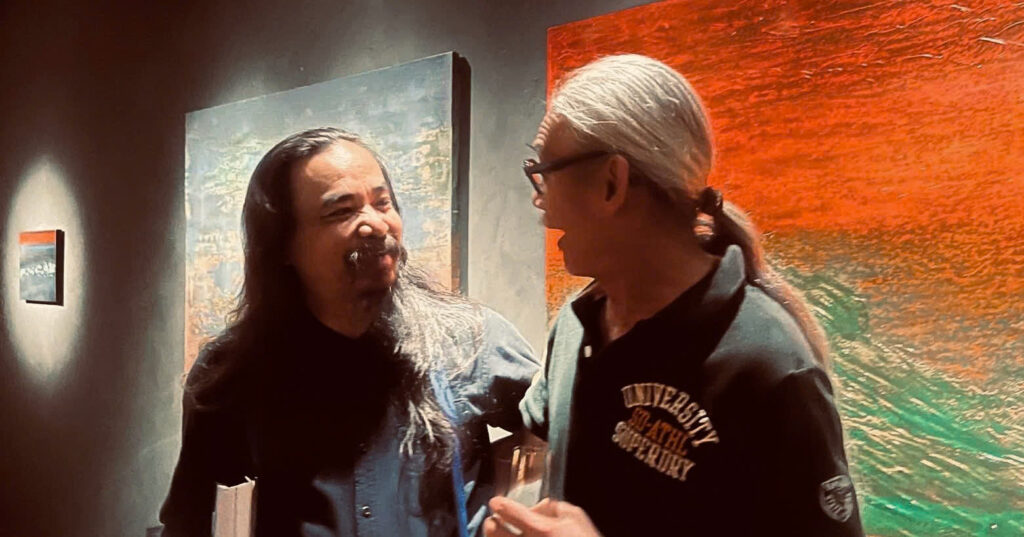
“With childhood memories of the flood season in the Mekong Delta, Ca Le Thang breathed life into his paintings with intense, expressive brushstrokes. He created a natural abstraction, both dreamlike and realistic: where memories and emotions intersect.”
Architect Ho Viet Vinh
Next project | Forest Station

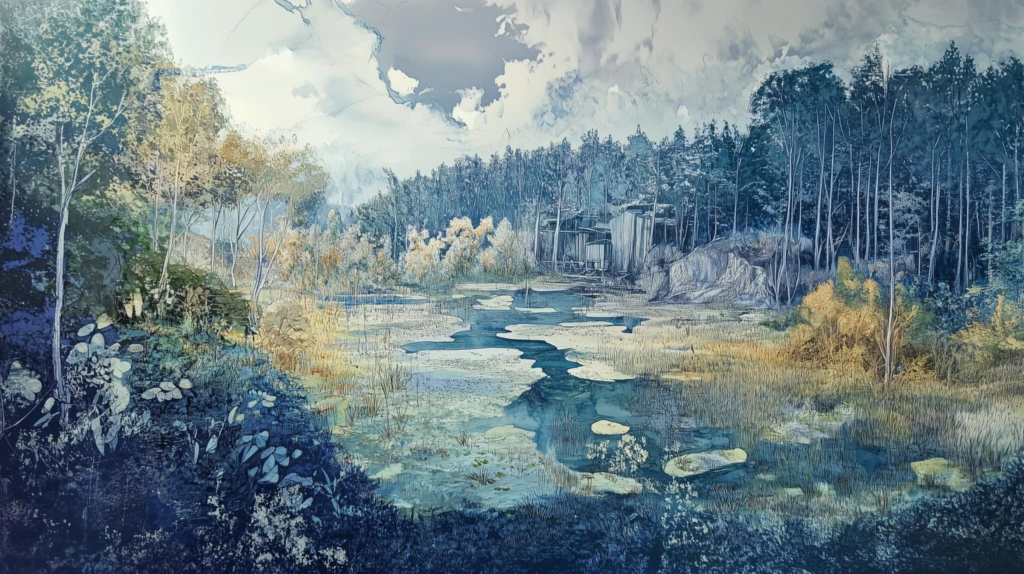
Returning to the forest is like being immersed in pure silence. Each breeze caressing the skin penetrates deep into each cell to wake up the body after a long deep sleep. The breath slowly fills all the skin, making the whole body immersed in the sweetness of heaven and earth. Returning to that place is the way returning your true home. 


Next project | Building a Smart and Modern City of Light
The program “Unlimited Connections – Building a City of Light” broadcast on HTV9 provides a comprehensive perspective on the role of lighting in shaping modern and sustainable urban areas.
The story of Saigon’s light—an essential element of life and culture—has been shaped by its tropical climate and a distinctive “nightlife” culture since the city’s earliest days. Lighting not only ensures the safety of living and working spaces but also contributes to the aesthetics and prominence of modern urban architecture. However, uncontrolled use of lighting can lead to energy waste and environmental pollution. The program emphasizes the importance of smart lighting that is appropriate, sufficient, and aesthetically pleasing while minimizing light pollution, aiming to enhance overall visual harmony with the surrounding space. Building a city of light that is exemplary, harmonious, and rich in identity is a collective effort—to make the city brighter, more beautiful, and increasingly civilized.
Urban lighting is not merely about beautification; it also fosters a sense of comfort and relaxation, drawing residents into the city’s nighttime activities, thereby making the urban environment more vibrant and dynamic.
Architect Hồ Viết Vinh
We invite you to watch the program to explore the role of lighting in building smart, modern, and sustainable cities.
Next project | Lời khuyên cho các Kiến trúc sư trẻ

“Kiến trúc sư cần phát triển khả năng suy nghĩ sáng tạo, đột phá các giới hạn thông thường mà AI có thể khó bắt chước. Các ý tưởng độc đáo, cảm xúc sâu sắc và nghệ thuật trừu tượng luôn khó được mô phỏng bởi AI, vì chúng phụ thuộc nhiều vào trải nghiệm sống và hiểu biết văn hóa của con người.” – KTS Hồ Viết Vinh
Next project | RED KINGDOM – Masterplan of Brickyard village at Mang Thit, Mang Thit District, Vinh Long province
“This is a project to preserve and develop the Mang Thit traditional brick and masonry heritage area, combining production space and water landscape. This area is planned into a contemporary product with different functional layers: preserving ceramic tile craft villages, expanding living space along the river and recreating the unique river landscape of the South. The multi-level dike approach helps maintain riverside living space, supports ceramic production and also develops eco-tourism, turning the area into a cultural and experiential destination for visitors.”
HVV Architect & Partners

Client:
Board of Civil and Industrial Construction Project Management – Vinh Long province People’ s Committee
Location:
Mang Thit dictrist, Vinh Long province, Vietnam
Size:
3.060 hectares
Services:
Masterplan
Status:
Approved on 2024
Team:
HVV Architect & Partners – Urban Planning Institute
Intro
Mang Thit District, Vinh Long Province, is one of the few remaining localities in Vietnam that preserves a unique and extensive architectural complex alongside a traditional craft. This architectural ensemble comprises nearly 1,000 domed kilns, spanning over 3,060 hectares along the banks of the Thay Cai, Hoa My, Cai Nhum canals, forming a southern arc that extends to the Nhon Phu and Hoa Tinh canals within the district. This is truly a valuable treasure, shaped by over a century of cultural and technological exchange between Khmer, Kinh, and Hoa people, resulting in a distinctive architectural heritage and traditional craft. However, this treasure has not been fully recognized or appreciated.
Over the past decade, more than 1,000 kilns have been demolished, and the remaining kilns are deteriorating and face the imminent threat of complete destruction. Given this alarming situation, it is imperative and urgent to conduct research and develop solutions to preserve and promote this architectural complex and traditional craft.


Learning from the Past and Looking to the Future
Over 100 years of formation and development, the structure of the craft village ecological system have established with 6 main space, including: surface water, brickyard system, yards, storage, fruite garden and house, fields.

The system of canals and land has formed a distinctive, easily recognizable landscape. Rivers and canals flowing from Co Chien River along Thay Cai canal, going deep into agricultural areas, have determined the main landscape axes; Residents live along the canals, inside are fruit and vegetable gardens, and deeper are fields and aquaculture areas. The ecosystem associated with the brick kiln area has created a closed process in the production of Mang Thit red ceramic. This is a characteristic and value that needs to be preserved and promoted.


Adaptive conservation in continued development
Adaptive conservation in continued development – preserving the existence of production space heritage, symbiotic ecological space, and Southern garden development cultural heritage; These valuable materials and spiritual values have been perfected during the development process, providing a contemporary breath and improving the quality of each space, gradually improving the quality of life of local people, so that their politics will gradually transform, reviving the soul of the place.
The heritage of Mang Thit – known as The Red Kingdom will be an interesting destination in Mekong Delta and should not be missed in your lifetime.
Zonning plan

No.1. Mixed-Use Development (Services – Tourism – Rural Residential): Approximately 347.91 hectares, with primary functions including residential development, mixed-use development (tourism services – rural residential), mixed-use development (services – urban residential), public services, public utility green spaces, specialized green spaces, other technical infrastructure, transportation, agricultural areas, and other functions.
No.2. Mixed-Use Development (Services – Urban Residential) along Co Chien River: Approximately 250.05 hectares, with primary functions including residential development, mixed-use development (services – urban residential), public services, public utility green spaces, specialized green spaces, heritage and religious sites, other technical infrastructure, transportation, agricultural areas, and other functions.
No.3. My An – Hoa My Residential Area: Approximately 415.50 hectares, with primary functions including residential development, mixed-use development (services – urban residential), public services, public utility green spaces, specialized green spaces, heritage and religious sites, other technical infrastructure, transportation, agricultural areas, and other functions.
No.4. Cai Nhum Eco-Residential Area: Approximately 150.31 hectares, with primary functions including residential development, public services, public utility green spaces, other technical infrastructure, transportation, agricultural areas, and other functions.
No.5. My Phuoc Eco-Resort: Approximately 106.43 hectares, with primary functions including residential development, public services, public utility green spaces, tourism development, other technical infrastructure, transportation, agricultural areas, and other functions.
No.6. My Phuoc Eco-Residential Area: Approximately 253.76 hectares, with primary functions including residential development, public services, public utility green spaces, specialized green spaces, heritage and religious sites, offices, other technical infrastructure, transportation, agricultural areas, and other functions.
No.7. Nhon Phu Eco-Residential Area: Approximately 309.78 hectares, with primary functions including residential development, public services, public utility green spaces, heritage and religious sites, offices, other technical infrastructure, transportation, agricultural areas, and other functions.
No.8. Hoa Tinh Eco-Resort: Approximately 198.23 hectares, with primary functions including residential development, mixed-use development (services – urban residential), public services, public utility green spaces, heritage and religious sites, offices, transportation, agricultural areas, and other functions.
No.9. High-Tech Agriculture Area: Approximately 1,028.03 hectares, with primary functions including residential development, public utility green spaces, tourism development, other technical infrastructure, transportation, agricultural areas, and other functions.

Master plan
The plan identifies 3 main development axes including:
- Mang Thit brick and ceramic kiln space at the center combined with service corridor along Co Chien river, agricultural experience corridor – traditional garden village along Cai Nhum river, high-end resort tourism corridor in the South;
- Mixed service axis – contemporary residential area in the Southern region of the West;
- The Eastern resort tourism axis will create motivation for development of the entire region.
The resort spaces around heritage area (My Phuoc eco resort, My Phuoc Eco-Residential area, Nhon Phu Eco-Residential Area, Hoa Tinh Eco-Resort) offer a variety of ecological, cultural and agricultural production experiences, taking the ceramic brick kiln area as inspiration for creativity.

With 5 gateways – 5 landscape architectural spaces typical of the Southern rivers and the ceramic brick kiln area, it will be an unforgettable, impressive identification point when visitors approach the ceramic brick kiln area by both Water transport and road transport.


Conclusion
This is a project to preserve and develop the Mang Thit traditional brick and masonry heritage area, combining production space and water landscape. This area is planned into a contemporary product with different functional layers: preserving ceramic tile craft villages, expanding living space along the river and recreating the unique river landscape of the South. The multi-level dike and heritage landscape approach helps maintain riverside living space, supports ceramic production and also develops eco-tourism, turning the area into a cultural and experiential destination for visitors.
Next project | Spiritual Sustainability as the Core Essence
Spiritual Sustainability as the Core Essence
For Architect Hồ Viết Vinh, a sustainable structure must encompass multiple dimensions: structural sustainability, environmental sustainability, aesthetic sustainability, and cultural sustainability. Yet, there is one essential, foundational element that underpins them all: spiritual sustainability. One of his upcoming and most cherished projects currently in development is the Trịnh Công Sơn Park in the ancient capital of Huế.

Guided by a philosophy of holistic sustainability, Hồ Viết Vinh has crafted unique architectural works such as Lebadang Memory Space and more recently, the Coral House in Hồ Tràm.
Could you share more about the milestones that have shaped your 25-year career?
I can summarize my more than 25 years of navigating this profession—full of challenges—into four stages: searching, understanding, contemplation, and practice.
The first stage took me around five years. I was seeking a way to survive in this field, with much effort but little clarity beyond earning a living.
The second stage arrived when I realized that architecture demands not only physical effort but also profound intellectual engagement.
The third stage was contemplation—reflecting on the distinct values that drive creativity. This was perhaps the most challenging period. It required me to relinquish things I had painstakingly gathered over time, clearing my mind to make space for the new.
Finally, the fourth stage is practice—not merely following thought processes, but letting intuition and wisdom guide my actions.
Your design philosophy seems inspired by Buddhist thought, correct?
Yes, indeed! The teacher who profoundly influenced my design philosophy is Thích Nhất Hạnh from Làng Mai (Plum Village), with his wisdom of interbeing (tương tức). According to Thích Nhất Hạnh, interbeing means: “If we understand that humans and nature are inseparable, we will know how to treat nature as we would treat ourselves—with care, gentleness, and love, free from violence. If we don’t want to harm ourselves, we should not harm nature, for harming nature is ultimately harming ourselves, and vice versa.”
How do you incorporate the concept of emptiness in your architectural works?
In essence, space is defined by emptiness. Without emptiness, there is no space. We must distinguish between the concepts of empty/full and open/closed. The former refers to spatial density, while the latter concerns the degree of openness to the external environment.
Emptiness is where dialogues unfold—between humans and nature, between individuals, and between oneself and the spiritual realm. It is a void that leads to infinite transformation and change.

What is your perspective on sustainable architecture? What, in your view, is the primary factor that defines sustainability?
When discussing sustainability, we must ask: sustainable in what sense? Is it structural, environmental, aesthetic, or cultural sustainability? Today, most conversations focus on environmental sustainability, as we face the brink of ecological destruction.
In my perspective, a truly sustainable structure must integrate all four aspects, with an additional core foundation: spiritual sustainability. This form of sustainability is rooted in an intuitive understanding of the fundamental truth of life on Earth—harmony, where all beings support one another to coexist.
“Architecture is a part of nature, and thus, it must harmonize with its surroundings. Light, wind, rain, storms, and even insects are all guests of the space.”
Is there a project that best embodies your design philosophy?
That would be the Lebadang Memory Space in Huế. This space is a harmonious blend of three elements: nature, form, and poetry. Nature includes the creations of the Earth—trees, flowers, rivers, skies, stones, humans, and animals. Form is defined by lines, shapes, colors, and materials that shape the space. Poetry is the soul that breathes life into it, creating a space that resonates with both the physical and the spiritual.
The thread that connects natural elements with the crafted form is poetry—a melody that flows from the primordial, carrying with it layers of cultural sediment, merging with the rhythm of life to shape the memory of time.
An Architect who has influenced you?
That would be Peter Zumthor, the renowned Swiss architect known for his famous quote:
“To design buildings that captivate the senses, architects must transcend the limits of form and structure.”
What experience do you consider most important for an architect like yourself?
Architecture came to me as destiny. Therefore, every experience carries its own value—there is no good or bad experience.
However, one pivotal experience stands out as a turning point in my creative journey. In 2005, I had the opportunity to participate in the 8th International Creative Competition organized by Les Ateliers Internationaux de Maitrise d’Oeuvre Urbaine Cergy Pontoise in France.
The competition brought together nearly 40 architects, urban planners, economists, managers, and environmental specialists from 17 countries. The theme was Ecological Tourism Urbanism in Cần Giờ (Can Gio entre ville ecologique et destination touristique).
Our project, titled “The City of Distinct Emotions” made a powerful impression on the jury and won the Special Award.

What is your perspective on materials in architecture? Are you experimenting with any specific materials?
Materials play a vital role in evoking aesthetic emotions within architectural spaces, alongside form and design language. Under the influence of light, these three elements harmonize to create the texture of space.
In my architectural designs, I place particular emphasis on exploring and incorporating local materials. These materials infuse spaces with the spirit of the place, giving them a unique identity and soul.

Could you share more about an upcoming project you are excited about?
A project I hold dear and that is currently being developed in Huế is the Trịnh Công Sơn Park.
Located at the confluence of three rivers, it rests against the Gia Hội Ancient Quarter, gazes upon the Hương River, and looks towards Ngự Bình Mountain as its front shield, with the Kim Phụng Range stretching across the landscape. This harmonious geographical setting provides the perfect foundation for the park in the heart of the ancient capital.
The park spans approximately 6.2 hectares and stretches nearly 1 kilometer along the lower reaches of Hương River, surrounded by water landscapes. Its structure is divided into two main sections: (1) The Space of “The Great Circle of Unity“ (20,000 m²); (2) The Musical Garden Space (42,000 m²).
The Great Circle of Unity is designed around the symbol of the Vietnamese Embrace, forming a double-layered circle representing the Fields of Vietnam. This concept draws inspiration from Trịnh Công Sơn’s musical longing for peace.
At its heart stands the statue of Trịnh Công Sơn, with a poised and serene posture, emerging from the landscape like a mountain standing tall. He becomes a symbol of the nation’s desire for unity, love for humanity, and a reflection on the human condition.
Every step into this space echoes with the uplifting and refreshing melodies of his music. It invites us to connect, hand in hand, forming a unified entity called Vietnam.
The Musical Garden Space, on the other hand, captures the lingering melodies of nature. Here, one can sense the gentle whispers of grass, flowers, birds, and the vibrant life that surrounds us—a symphony of nature’s tender serenade.

Next project | Ngôi nhà của BỤT
Ngôi nhà của Bụt là nơi chốn của sự thanh tịnh hoà lẫn trong sắc thái biến đổi của không – thời gian. Mỗi bước chân như chậm lại để các giác quan tìm thấy mình qua sự va đập với sự chuyển động vi tế nhất. Sự đơn độc trở nên độc tôn toả sáng trong sự đối thoại vụn vỡ tạm thời trước sự sinh diệt của tạo hoá.


Next project | The Ideas competition for Thu Thiem Master Plan

The Concept for the Thu Thiem Master Plan envisions a lush peninsula of trees and waterways. Its urban spatial morphology is designed to achieve a balanced scale, harmonizing with the existing urban fabric. The central square is seamlessly connected by canals, directing water flows through the wetland forest. Along the banks of the Saigon River, open parks create a buffer that bridges the high-density urban spaces on the river’s west side.

The master plan for the Thu Thiem New Urban Center triumphed over 29 competing proposals (14 international and 15 Vietnamese) to earn high acclaim. The selected plan, originally proposed by SASAKI Inc., incorporated additional ideas during the detailed planning stage.
The selection committee, comprising renowned domestic and international urban experts, included figures such as Professor John Lang from New South Wales, Professor William S.W. Lim from Singapore, Professor Nguyen The Ba, and Professor Nguyen Manh Thu.

Type
Urban Planning
Year
2003
Area
730 hectares
Location
District 2, Ho Chi Minh City
Team
Professor Nguyen Trong Hoa
Master of Urban plannning Ho Viet Vinh