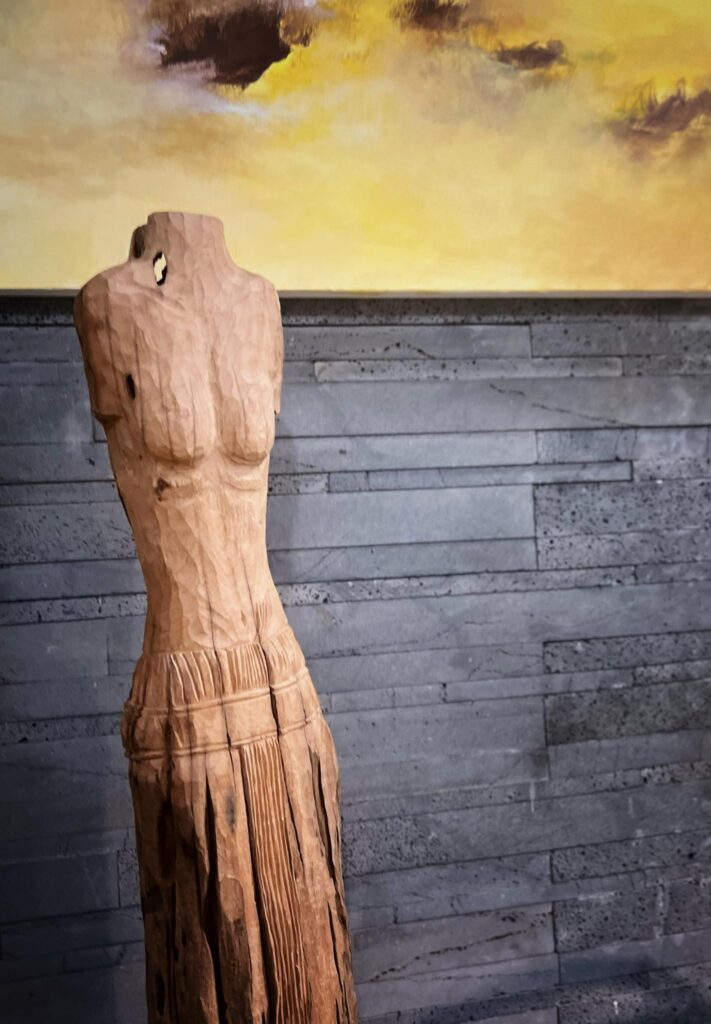
Vinhho, by wood carving, Maison d’Art, 2025
Next project | Tự vấn
AI ngày càng trở thành trí tuệ siêu việt và con người ngày càng phụ thuộc vào máy móc. Khủng hoảng hiện sinh đang đẩy chúng ta vào chân tường với những câu hỏi day dứt về tính nhân văn trong cuộc sống. Là một kiến trúc sư, Tôi đang đối diện với chính bản thể của mình để trả lời cho câu hỏi cốt lõi:
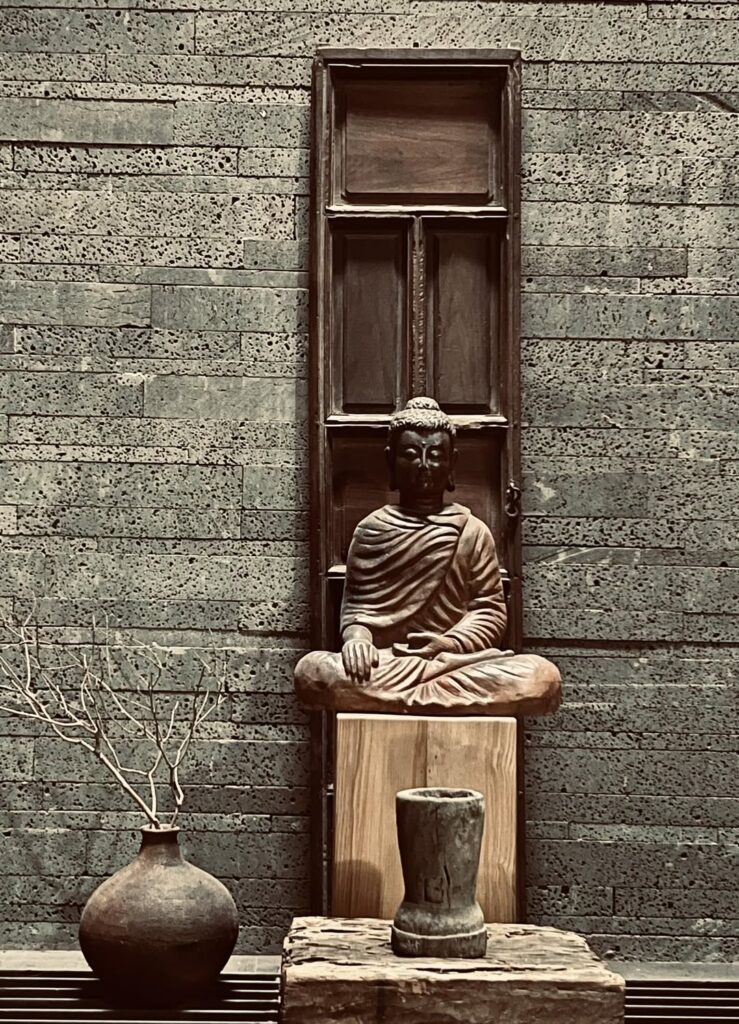
Liệu kiến trúc có còn khả năng dẫn dắt con người chạm vào bản thể tự nhiên, nguyên sơ của họ – thay vì chỉ chạm vào những bản sao hoàn hảo nhưng vô hồn của công nghệ?
Để trả lời, Tôi phải trầm mình vào thực thể cuộc sống, để thân xác sống động của mình hòa quyện vào thế giới hiện tượng – nơi ánh nắng, gió thoảng, mùi đất ẩm, sự mát lạnh của đá và tiếng lá xào xạc không còn là đối tượng quan sát từ xa, mà trở thành sự giao thoa (chiasm) đảo ngược: tôi chạm vào thế giới, và thế giới chạm lại vào tôi. Chỉ khi đôi tay không chỉ lướt trên bàn phím mà còn thực sự xúc chạm trực tiếp với ánh mặt trời, với vỏ cây thô ráp, với hơi thở của không gian, thì bản năng nguyên thủy mới được đánh thức. Kiến trúc chân chính không phải là hình khối trừu tượng hay mô phỏng kỹ thuật số; nó là nghệ thuật của sự hiện diện vật lý (embodiment), nơi thân xác con người trở thành phương tiện để cảm nhận sự dịch chuyển. Trong sự hỗn độn ấy, con người không còn là chủ thể tách biệt quan sát thế giới như đối tượng, mà là một phần của sự sống – nơi cảm nhận và cái được cảm nhận đan xen, không thể phân định. Chính sự gắn kết giác quan đa chiều này – haptic (xúc giác), olfactory (khứu giác), auditory (thính giác), cùng với thị giác – mới giúp chúng ta lấy lại sự cân bằng giữa thế giới ảo và thế giới thực, giữa bàn phím lạnh lẽo và hơi ấm của thiên nhiên.
KTS. Hồ Viết Vinh. 260112
Next project | Maison des Marais
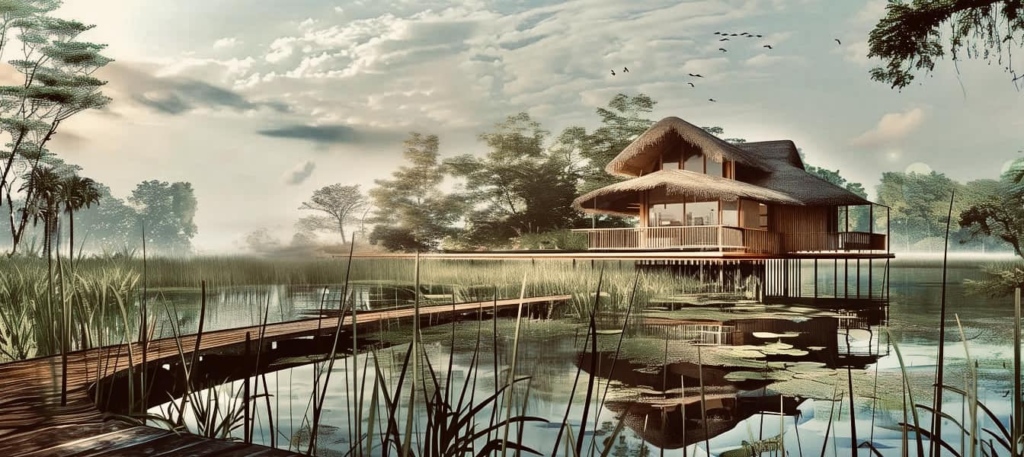
Supported by AI
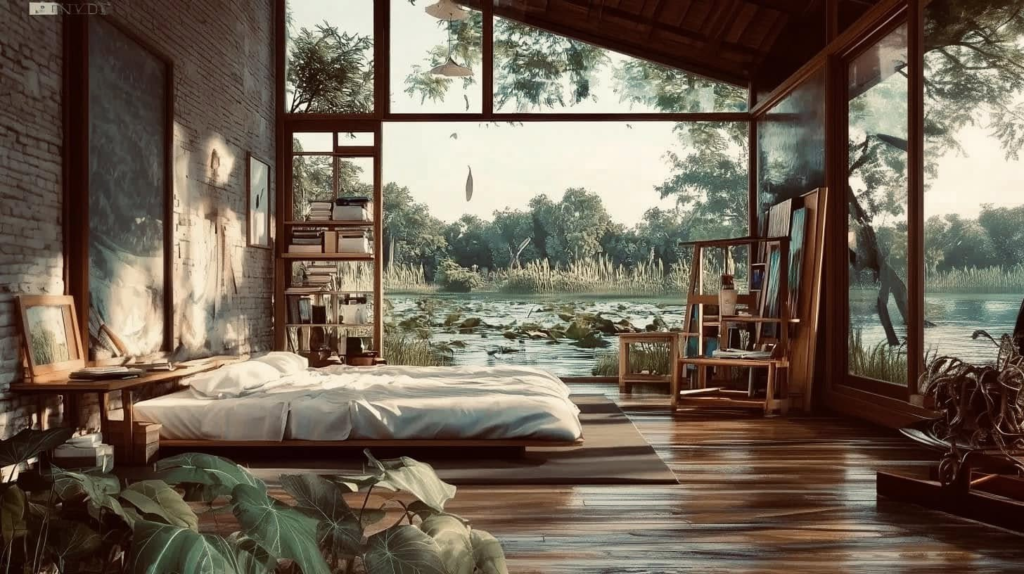
Maison des Marais embodies the ethereal dance between the tangible and the intangible. The structure, elevated on stilts, mirrors itself in the serene waters, creating a dialogue with the reflections that blur the boundary between reality and illusion. The thatched roof and wooden textures harmonize with the surrounding marshland, evoking a sense of timelessness and serenity. This architectural poetry captures the essence of nature’s abstraction, where each element, seen and unseen, contributes to a symphony of spatial resonance, reflecting the invisible threads that weave through the fabric of existence.
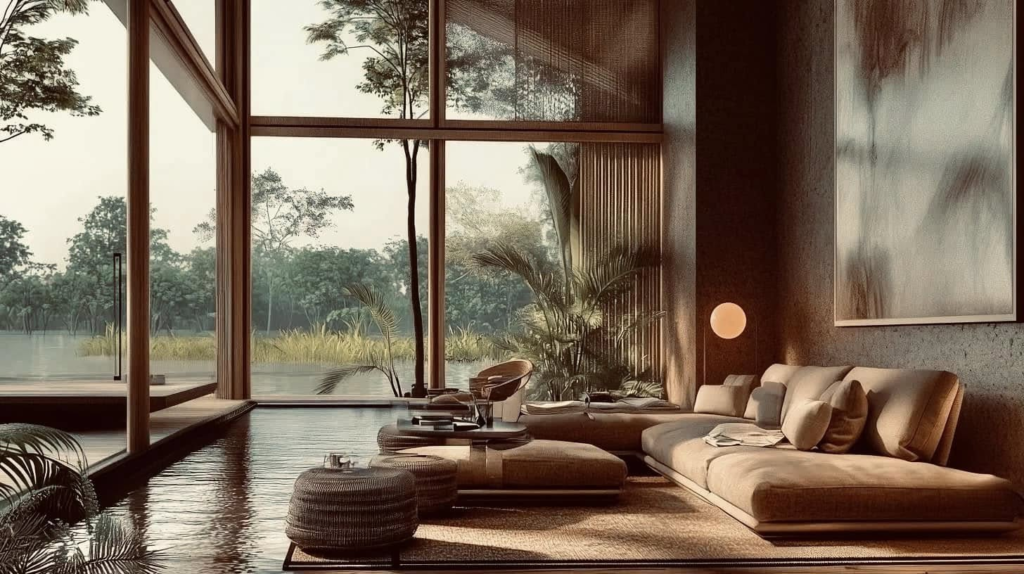
Supported by AI
Next project | Manifesto 2026
Tuyên ngôn năm 2026 – “HVV Architect & Partners tin rằng kiến trúc không bắt đầu từ hình khối, mà bắt đầu từ bầu không khí.”
Một không gian chỉ thực sự có giá trị khi nó chạm đến ký ức, văn hoá và chiều sâu nội tâm của con người.”
Chúng tôi theo đuổi một con đường rõ ràng: chạm đến tính bản địa và cá nhân hoá cho từng chi tiết thiết kế để tạo nên sự hoà quyện giữa truyền thống và đương đại.
1. Kiến trúc là sự lắng nghe vùng đất
Mỗi công trình khởi đi từ địa tầng ký ức: khí hậu, ánh sáng, vật liệu, tập quán, nghề thủ công, nhịp sống.
Chúng tôi không sao chép truyền thống. Chúng tôi giải mã tinh thần của nó. Bản địa không phải là hình thức lặp lại, mà là sự tiếp nối của năng lượng nơi chốn trong một hình thái mới.
2. Cá nhân hoá là đạo đức thiết kế
Mỗi khách hàng là một thế giới riêng. Chúng tôi không tạo ra “mẫu nhà đẹp” lặp lại, mà kiến tạo những không gian phản chiếu cá tính, lối sống và khát vọng sống. Cá nhân hoá không dừng ở mặt bằng hay công năng, mà đi vào chi tiết vật liệu, ánh sáng, tỷ lệ, nhịp điệu không gian. Kiến trúc, vì thế, trở thành một chân dung sống.
3. Truyền thống và đương đại không đối lập
Chúng tôi không nhìn truyền thống như quá khứ, cũng không xem đương đại là sự đoạn tuyệt với quá khứ. Truyền thống là chiều sâu. Đương đại là nhịp thở. Khi hai dòng chảy ấy gặp nhau,một bầu không khí mới được sinh ra vừa quen thuộc, vừa khai mở.
4. Kiến trúc – Hội hoạ – Điêu khắc – Thi ca
HVV Architect & Partners vận hành trên bốn không gian:
- Không gian ở: Kiến trúc
- Không gian nhìn: Hội hoạ
- Không gian chạm: Điêu khắc
- Không gian trong tâm thức: Thi ca
Chúng tôi tin rằng một công trình chỉ hoàn chỉnh khi nó đồng thời chạm vào thân thể và tâm hồn.
5. Bản chất trước hiệu ứng
Chúng tôi không chạy theo hình ảnh gây ấn tượng tức thời. Chúng tôi đi tìm bản chất. Cái cơ bản nếu được thực hiện đến tận cùng sẽ tạo nên sự bền vững và sang trọng thực sự. Sự giản lược, khi đúng chỗ, chính là biểu hiện cao nhất của tinh tế.
6. Kiến trúc như một hành vi hiện sinh
Mỗi công trình là một tuyên ngôn sống. Mỗi dự án là một cuộc đối thoại giữa con người và thời đại.
Trong một thế giới ồn ào và đồng dạng, chúng tôi chọn con đường lặng lẽ nhưng sâu sắc: Kiến tạo những không gian có linh hồn.
HVV Architect & Partners theo đuổi tinh thần Kiến trúc thi ca (Poetry of Architecture): Chạm đến bản địa; Tôn vinh cá tính; Kiến tạo bầu không khí sống.
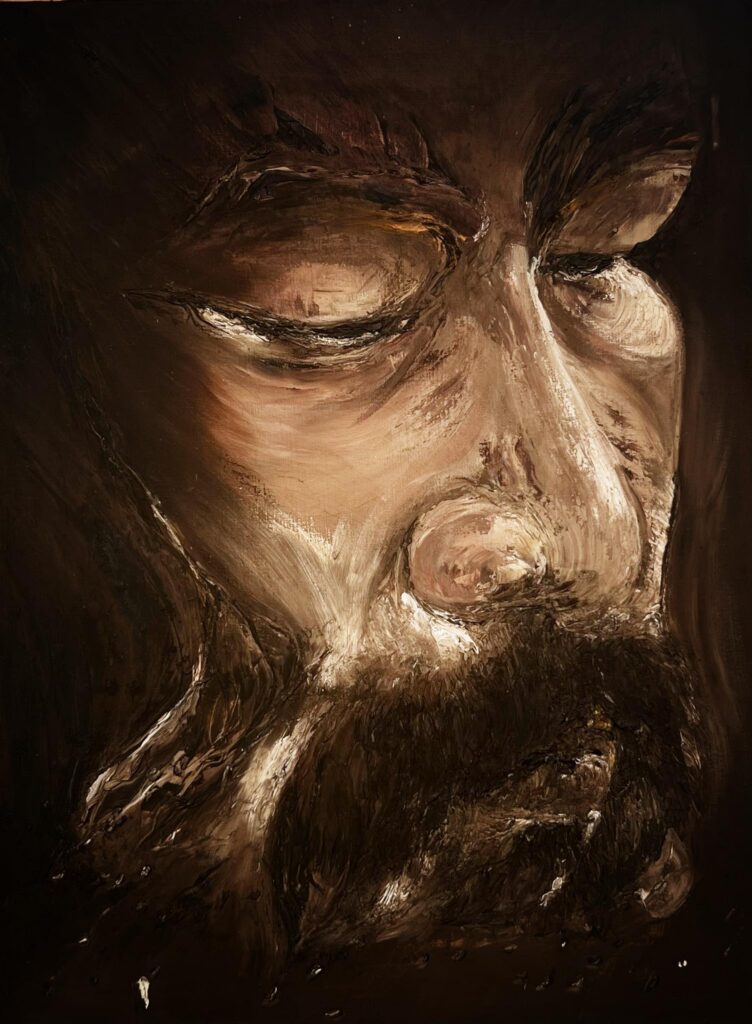
Next project | Self portrait
Next project | Majestic Hotel Renovation
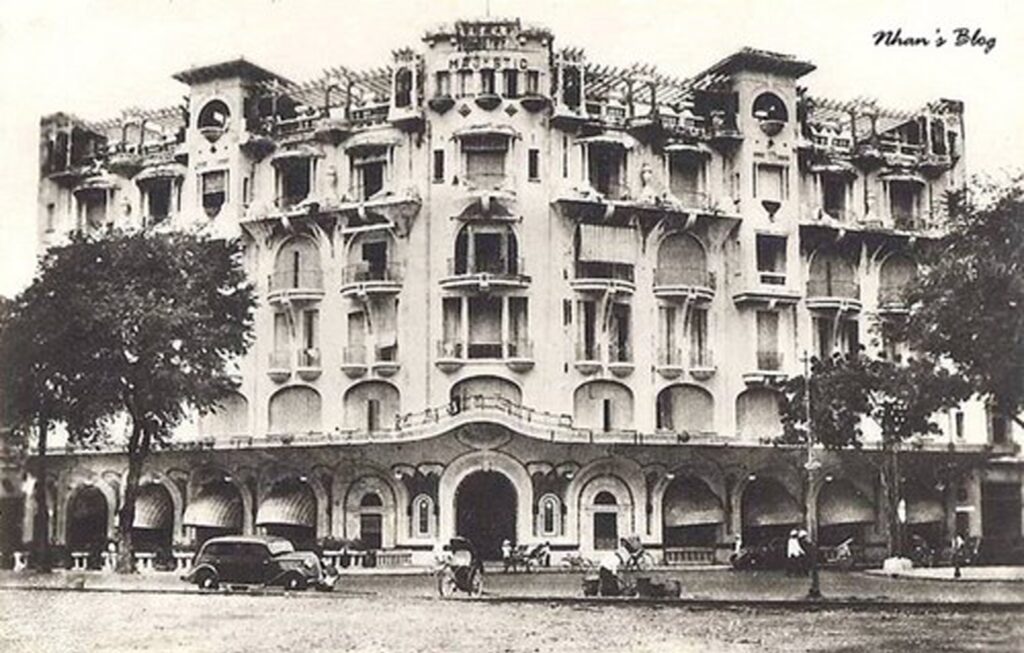
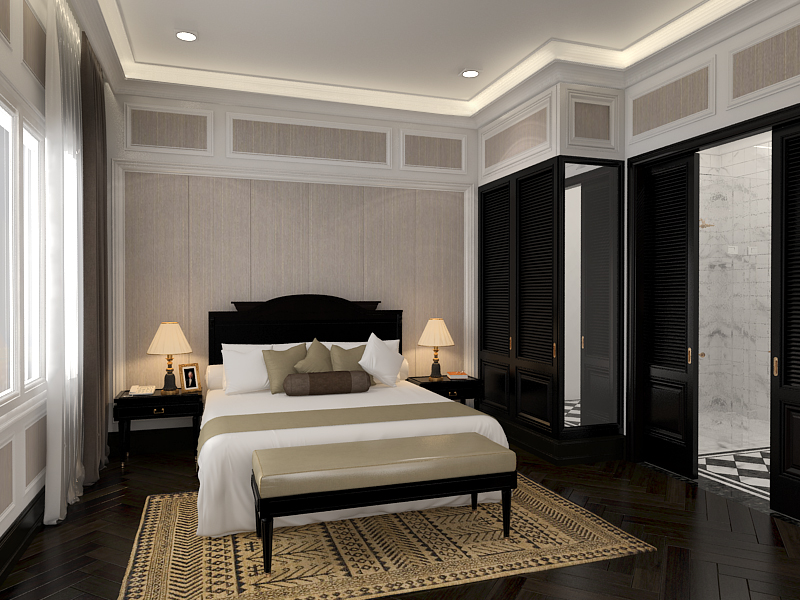
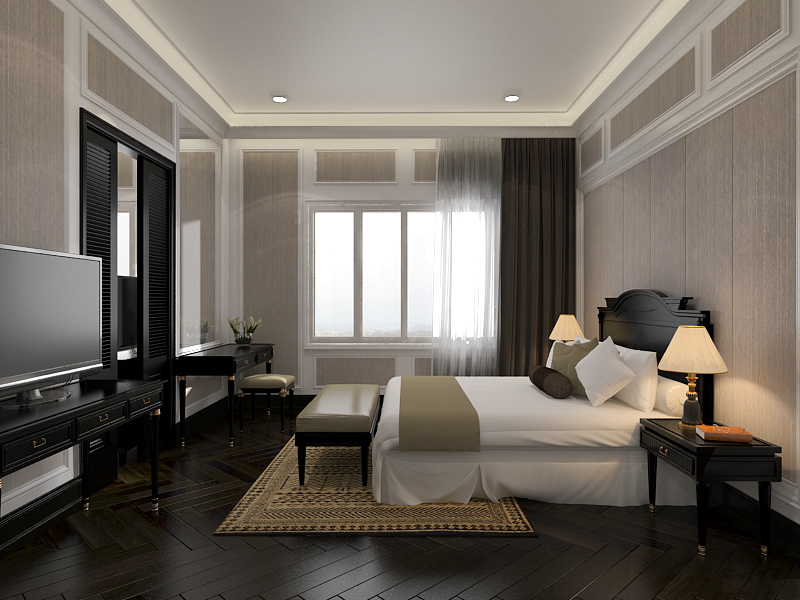
Established by the Hui-Bon-Hoa Company (owned by a Chinese-Vietnamese businessman known as Uncle Hoa), the hotel is located at the corner of Catinat Street (now Dong Khoi Street) and Quai de Belgique Street (now Ton Duc Thang Street). Designed in the popular baroque architectural style of the time, the hotel became one of Saigon’s most elegant and impressive buildings upon its completion in 1925.
The Majestic initially had three stories and 44 bedrooms, as per the original design by a French architect. In 1948, the Indochina Tourism and Exhibition Department, led by the Frenchman Franchini Mathieu, purchased the ground and first floors of the hotel and leased 44 rooms for 30 years.
The hotel was officially rated as a five-star establishment in 2007. In July 2011, construction began on two new towers along Nguyen Hue Street, adding 353 rooms to the hotel.
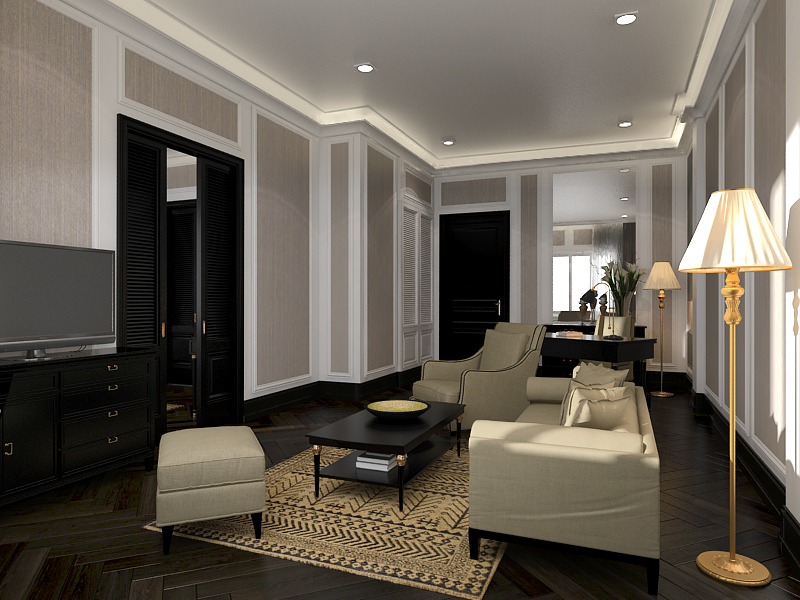
However, over time, the usage of the space and the integration of modern equipment have diminished the building’s original value. The goal of the redesign and renovation is to restore its luxury and evoke the essence of the famous Indochinese architectural style, reminiscent of old Saigon.

Next project | Echo
Âm vang núi rừng khắc lộ vòng niên đại
thở vết thời gian.
Vết chạm khắc sâu hoài niệm bản địa,
đưa quá khứ
cùng hiện diện
với cơn lốc của sự biến đổi.
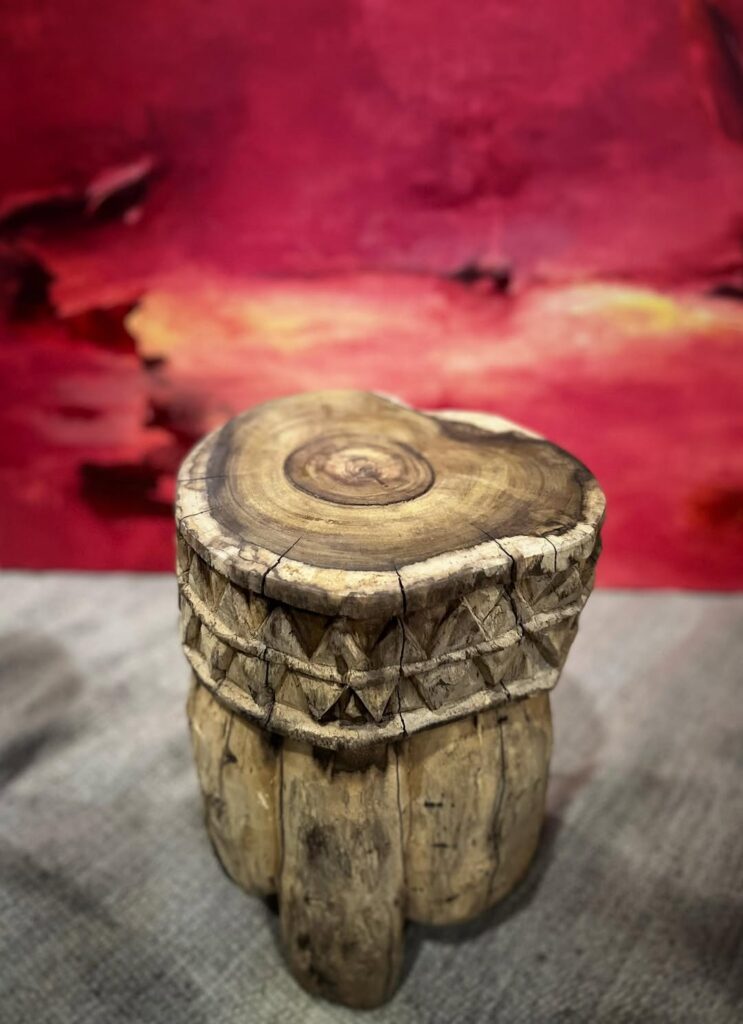
Vinhho, Wooden carving, Maison d’Art reserved, 2025
Next project | HVV Recruitment
HVV Recruitment:
In 2025, HVV is looking to recruit talented individuals for the following positions:
- 2 Urban Planners;
- 2 Landscape Architects;
- 2 Architects specialized in Architecture and Interior Design.
Requirements:
- Bachelor’s degree in a relevant field for each position;
- 2–3 years of work experience;
- Proficiency in commonly used design software, such as ACAD, SU, Lumion, Rhino, 3Dmax,…;
- Skilled in one or more of the following areas: 3D and 2D concept visualization, design implementation, design management;
- A professional attitude, eagerness to learn, creativity, and integrity.
Join us in creating inspiring living spaces that reflect cultural identity!
At HVV, we are not just looking for talented architects but also seeking to collaborate with creative minds who are passionate about innovation and aspire to achieve timeless values. Let your talent bring meaningful projects to life and leave a lasting mark with us.
Contact:
HVV Architect and partners
Architect Ho Viet Vinh
Phone: +84 908 376 727
Email: [email protected]
Join us now to turn unique ideas into reality!
Next project | Mine Art Gallery

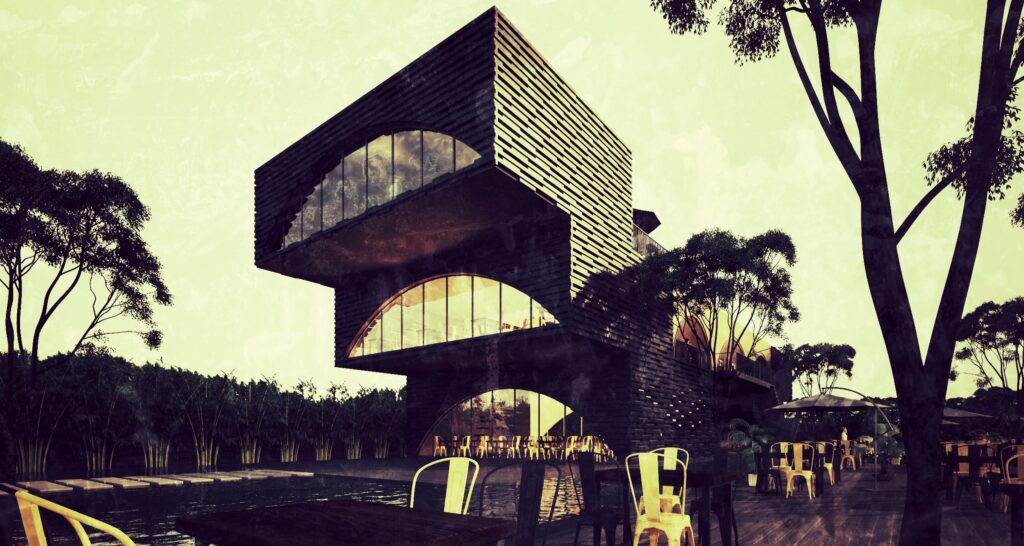
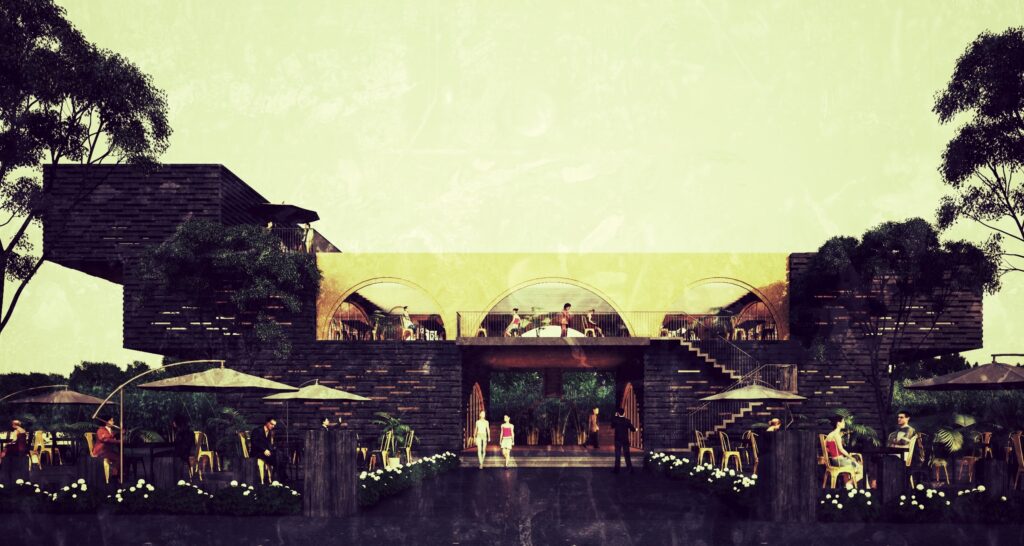
Mine Art Gallery
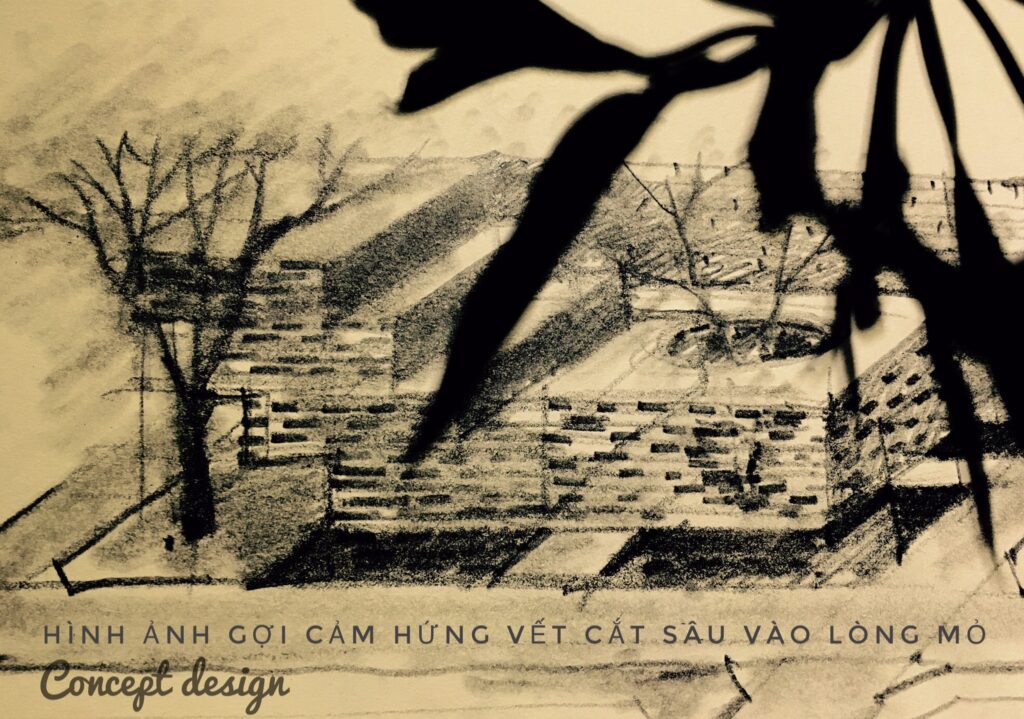
Cam Pha coal mine was established by the French in 1886 under the name Société Française des Charbonnages du Tonkin during the reign of King Tu Duc. The mine’s stratigraphic structure descends into deep underground terraces, with coal seams gradually revealed in the light that pierces through the valley.
The jet-black hue of coal, intermingled with the reddish-brown of the earth and the arid dust suspended in the air, creates an abstract palette imbued with depth and intensity.
The project draws inspiration from the overlapping layers of coal seams, reimagined in reverse to symbolize the void left behind. Construction materials, sourced from coal itself, form layered bricks that replicate the natural striations of the seams. Space, materiality, and landscape converge to evoke the emotional and physical experiences of the miners.
Type
Gallery
Year
2016
Location
Cam Pha city
Team
Ho Viet Vinh
Mai Que Vu
Next project | Le Ba Dang Art Space
At the end of November 2024, the Ho Chi Minh City Museum of Fine Arts launched the Le Ba Dang Art Space exhibition. The exhibition not only aims to showcase the distinctive creative values of painter Le Ba Dang but also serves as a tribute to the generosity of Mr. Le Tat Luyen and Mrs. Thuy Khue, who donated this collection. Their contribution has played a crucial role in preserving and promoting the value of this artistic heritage while fostering the creation of a vibrant art space that inspires future generations.
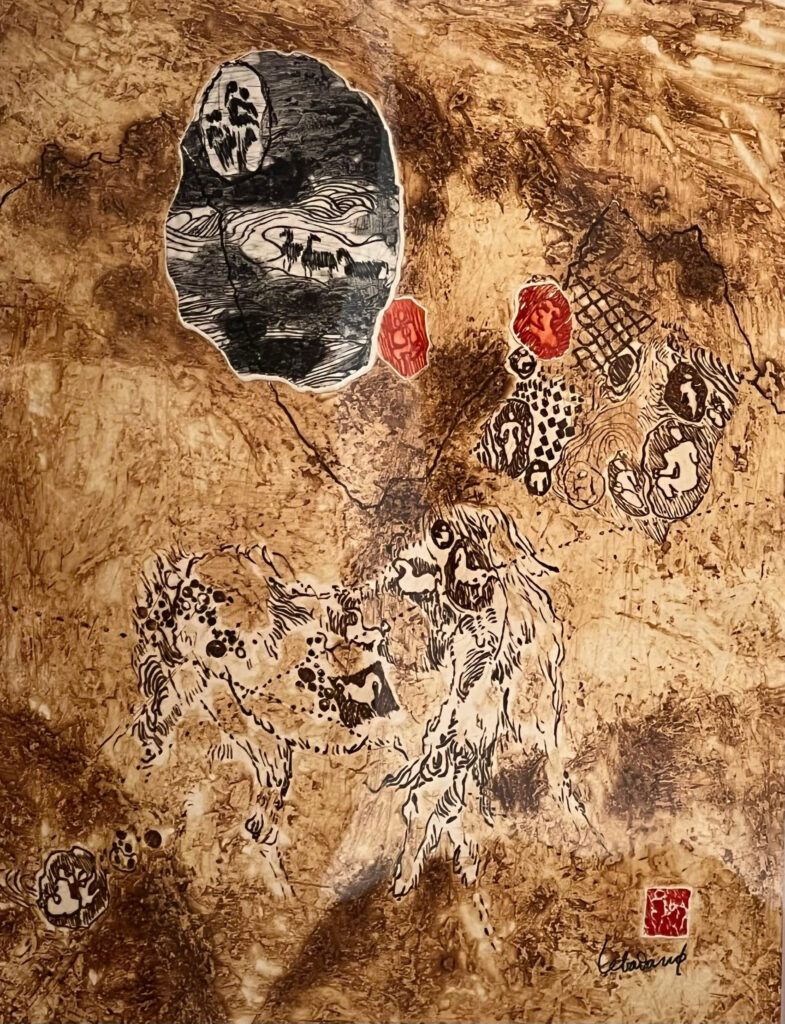
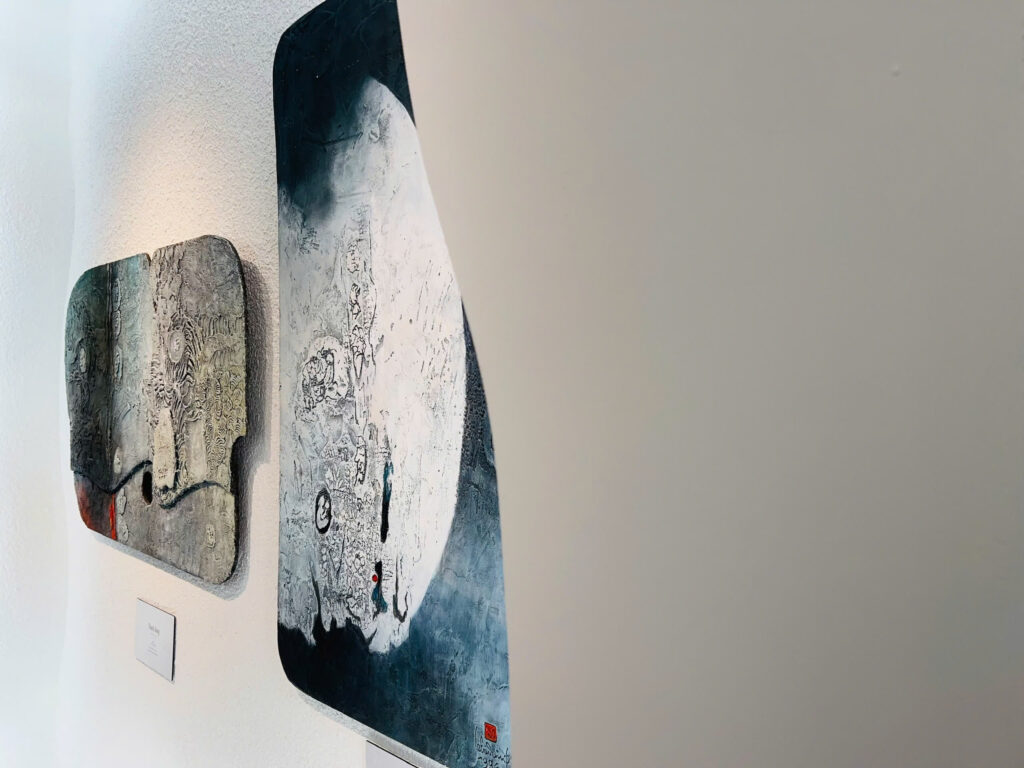
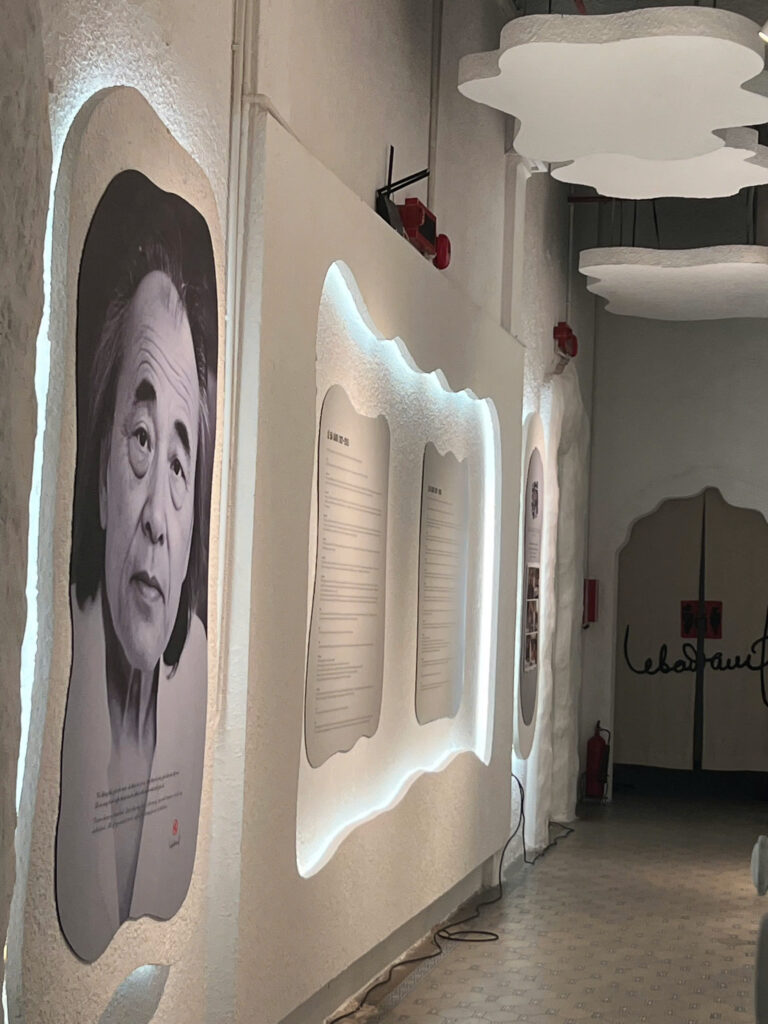
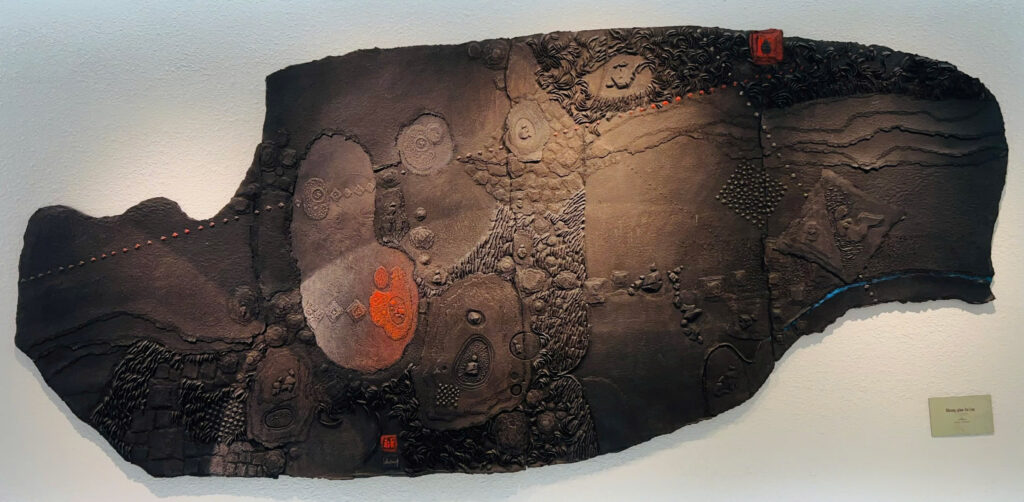
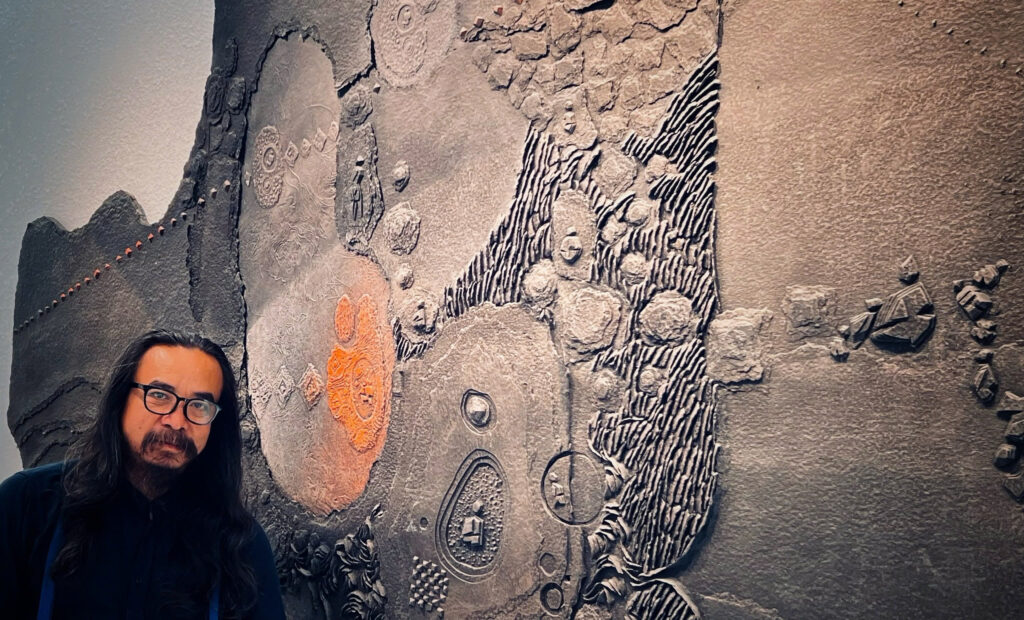
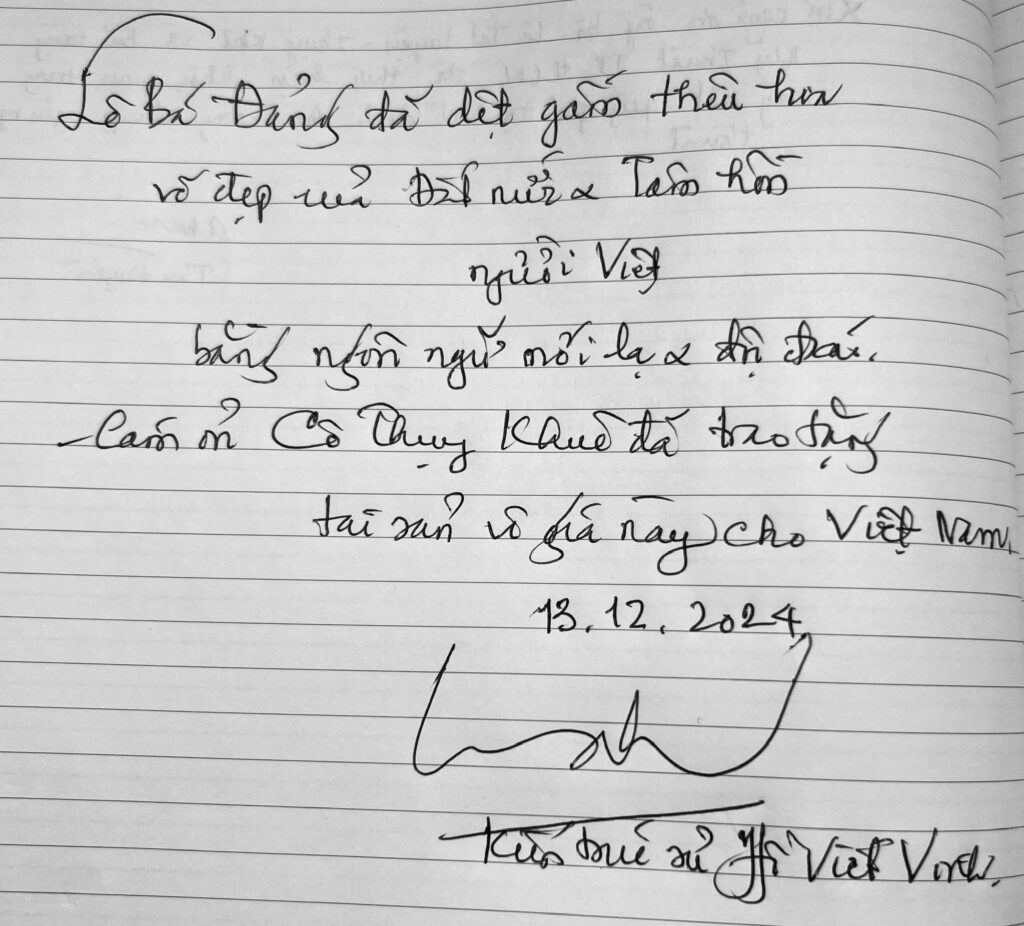
“The famous painter Le Ba Dang has woven brocade and embroidered the beauty of the country and the Vietnamese soul with a new and unique language of painting.”
Architect Ho Viet Vinh
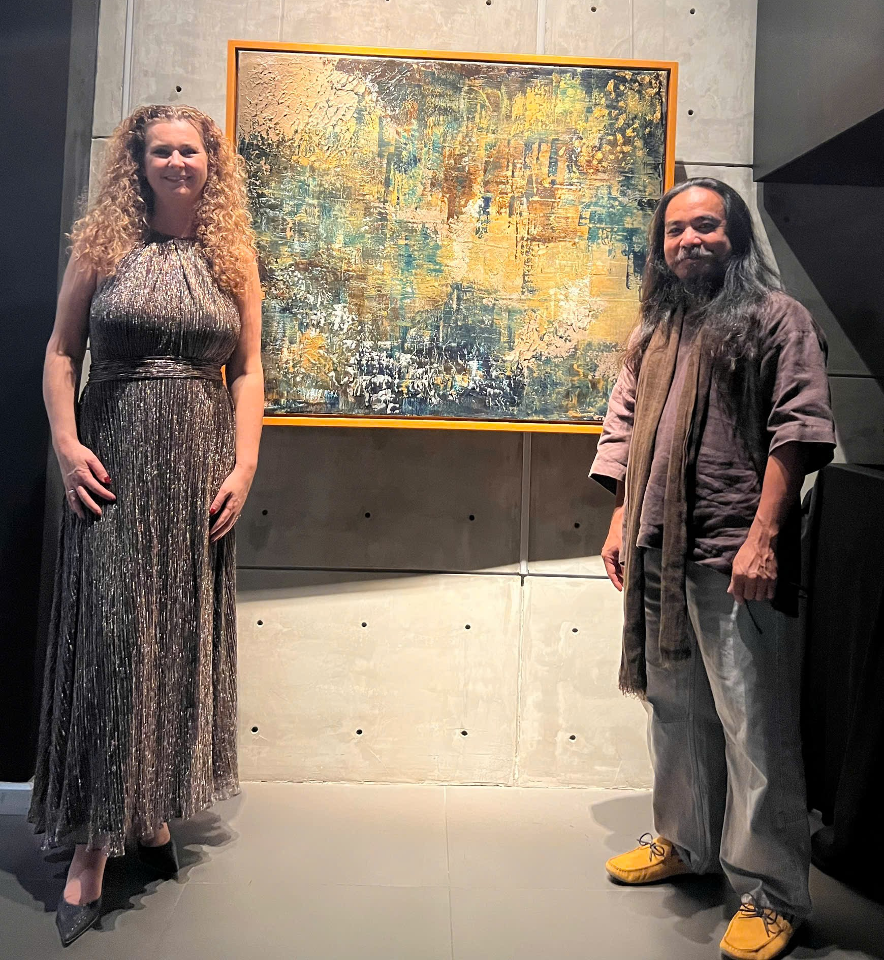
Next project | A Dialogue Between Humanity and Nature Through the Duo Exhibition “Biophilia and Naturalis”
Source: saigoneer.com
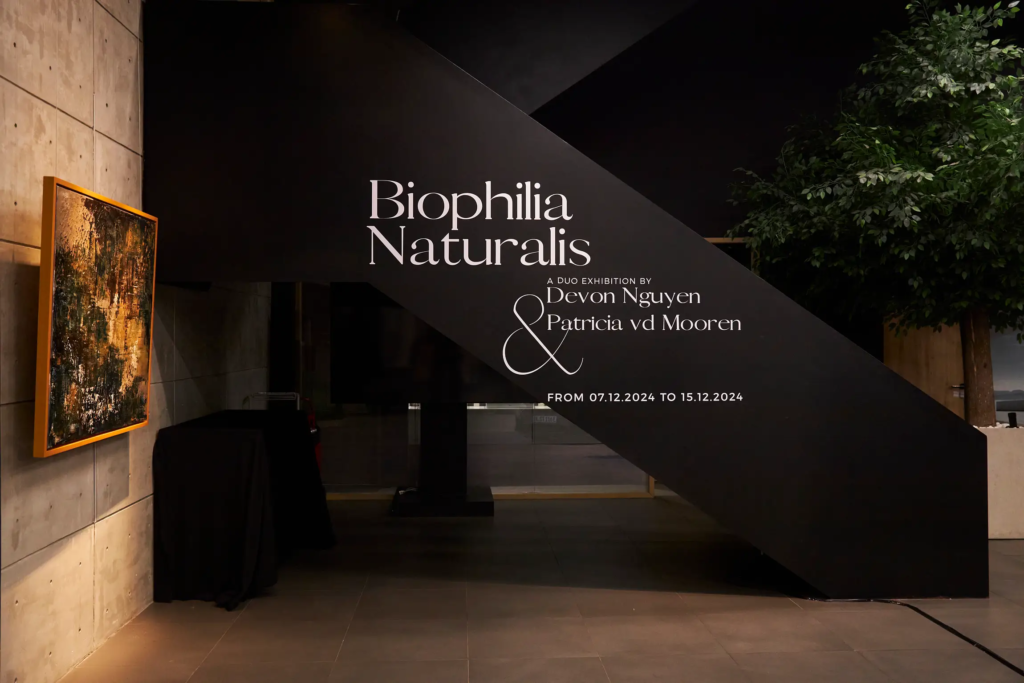
Amid the chaos of modern life and urban development, where humans are in constant, fast motion, nature is an important element to remind ourselves of and return to. In this duo exhibition by Patricia vd Moreen and Devon Nguyen, we find ourselves stepping into another world filled with harmony between humanity and nature.
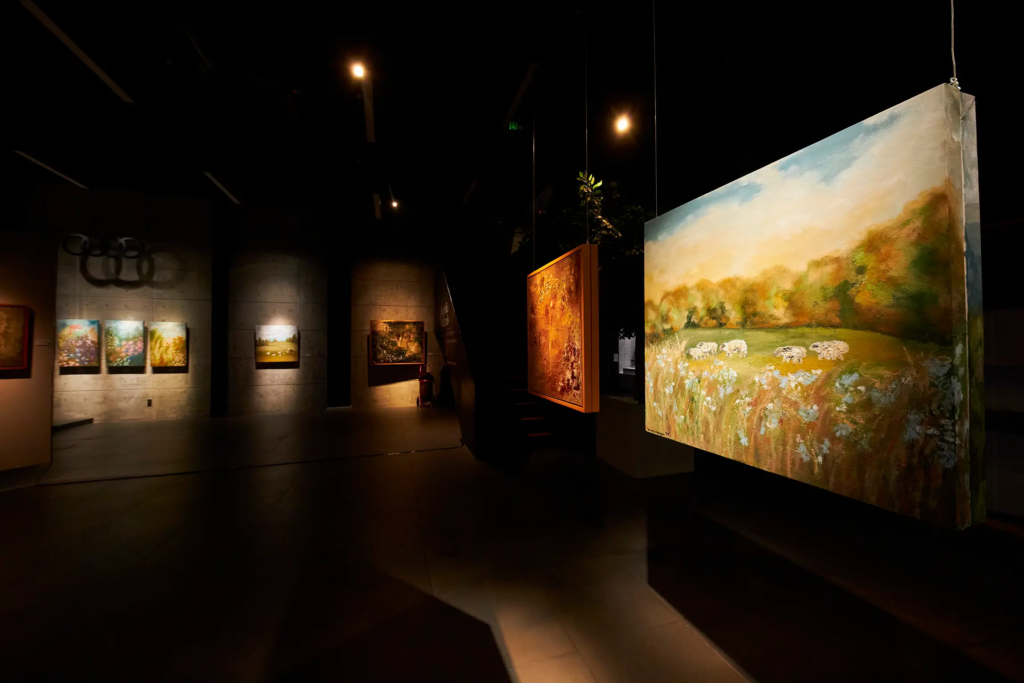
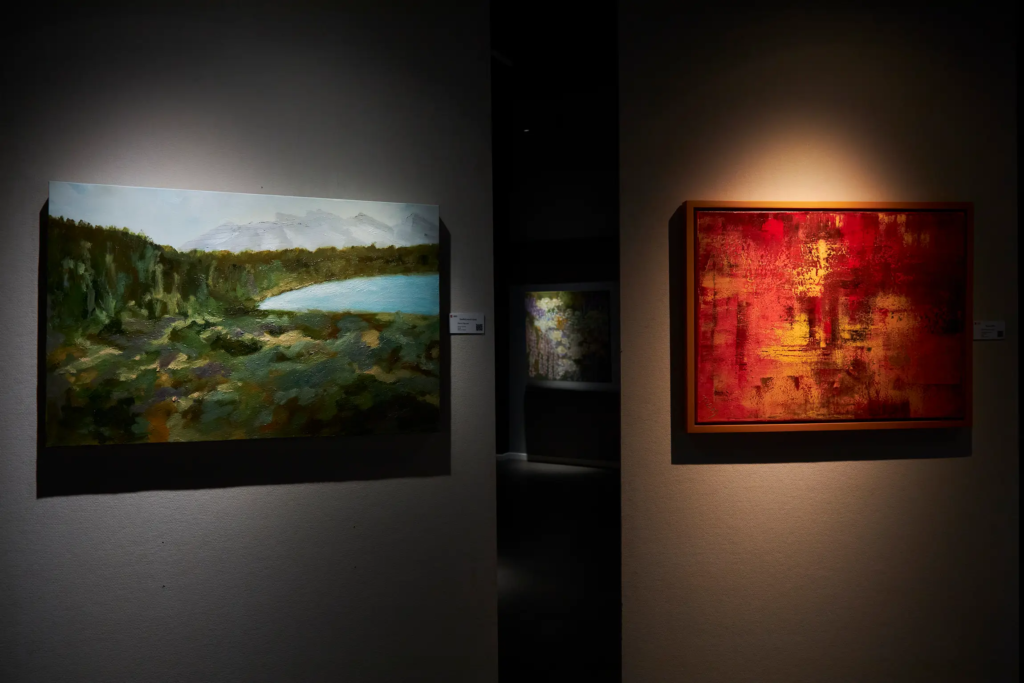
“Biophilia and Naturalis” features the most recent works by two unique artists. Works of oil paintings and ceramics call to mind living entities glowing in the darkened space and reveal the connection between humanity and nature. While Patricia’s works highlight the concept of Naturalism, Devon’s works speak for the concept of Bipholia, which emphasises the harmony between humans and nature.
Source: saigoneer.com
Source: saigoneer.com
To read the full article by Saigoneer, please click on this link.