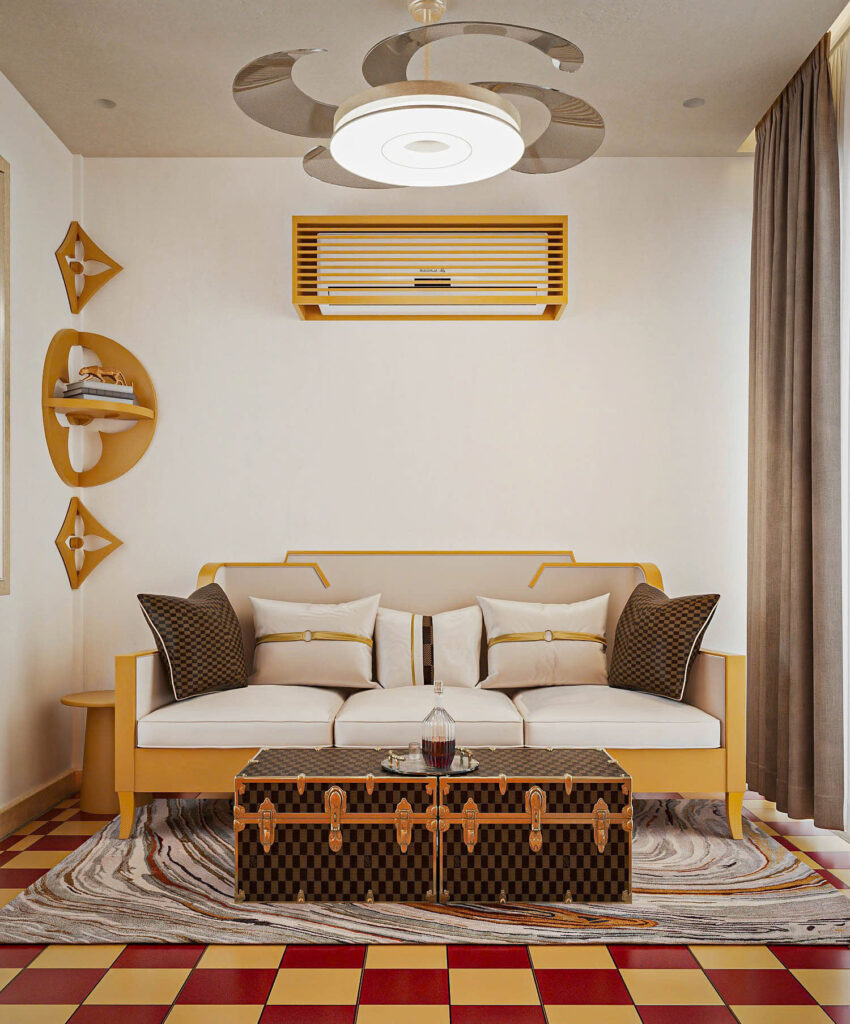
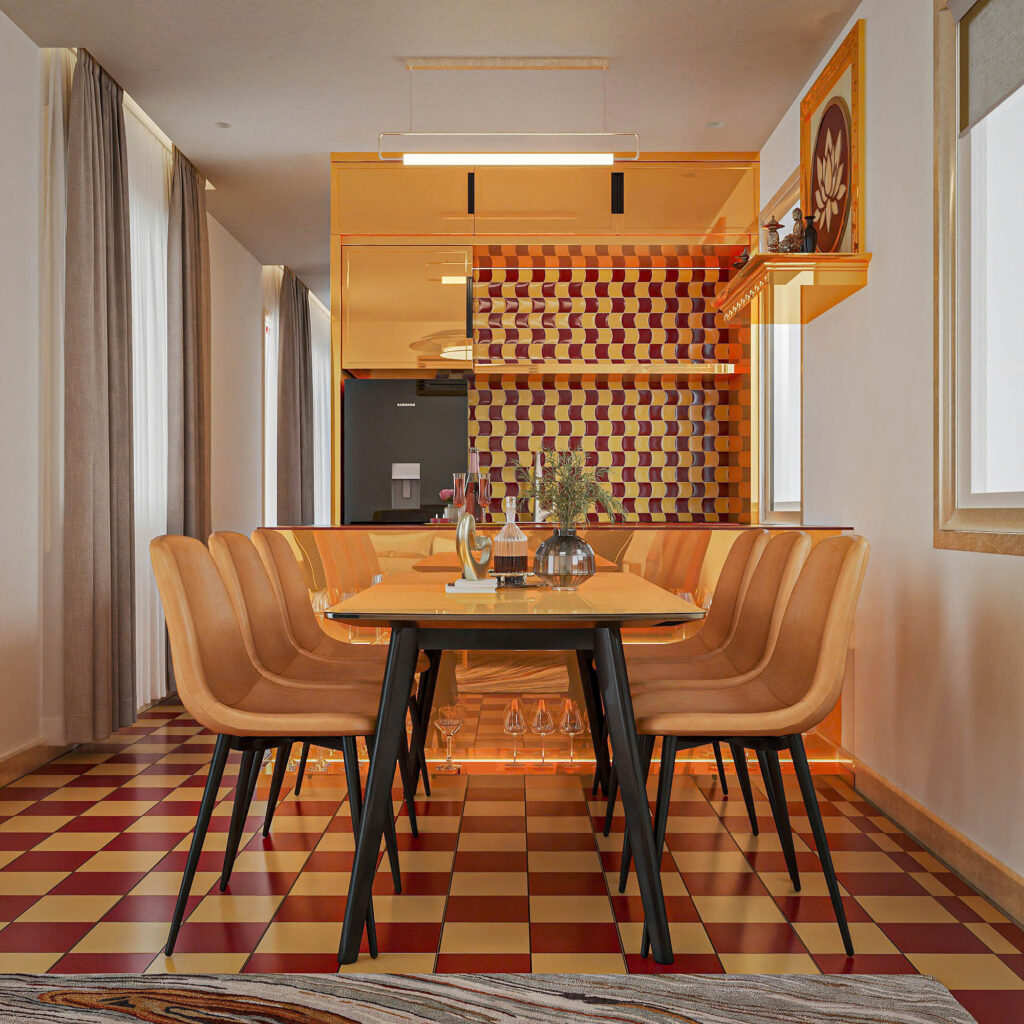
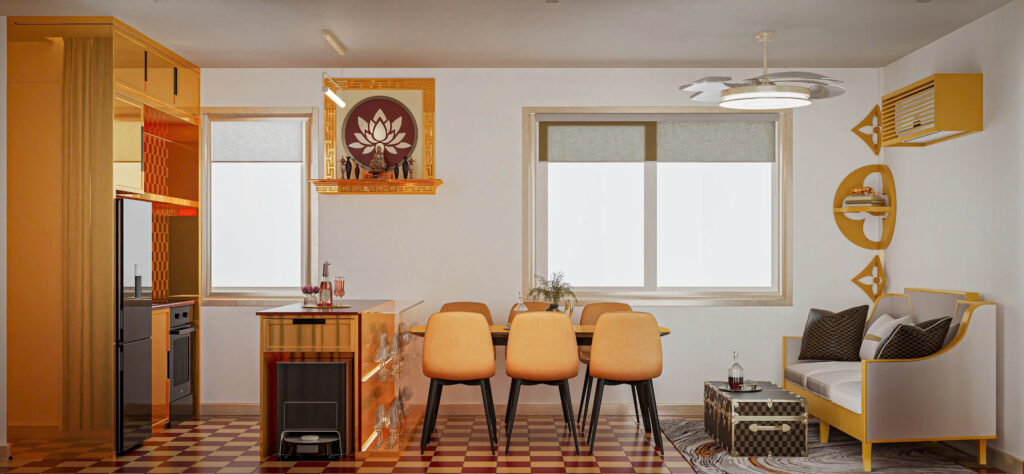
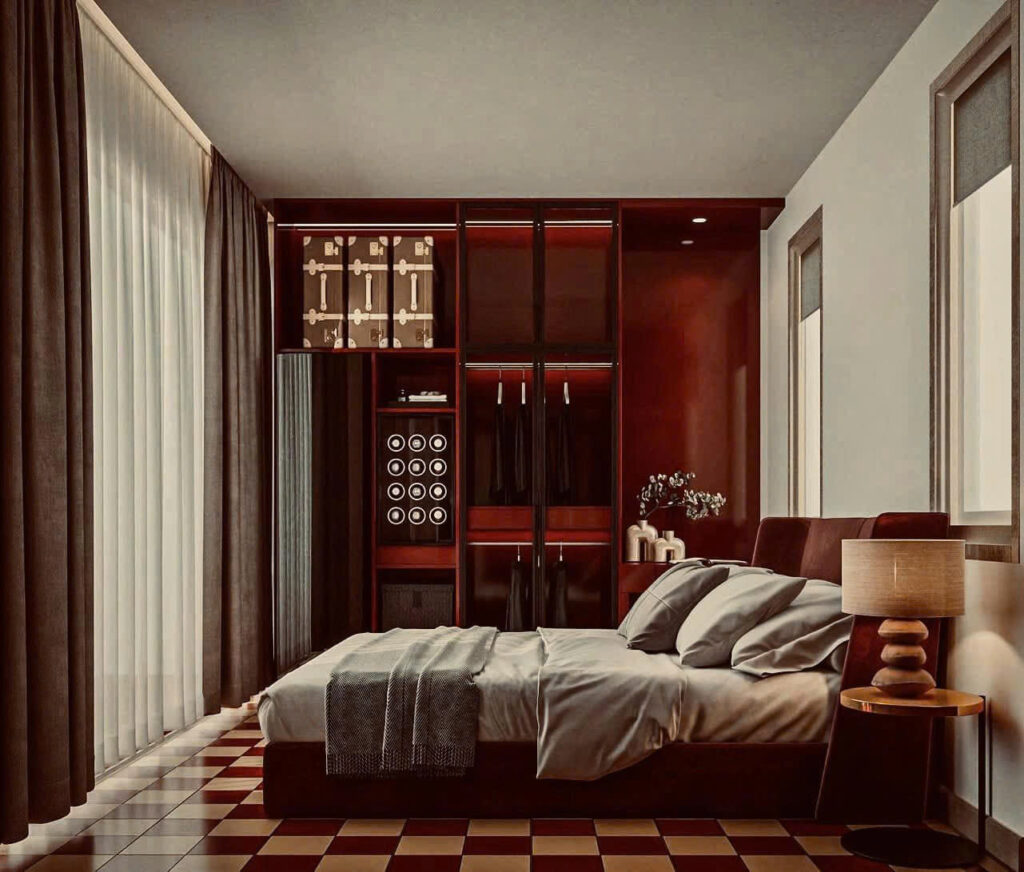
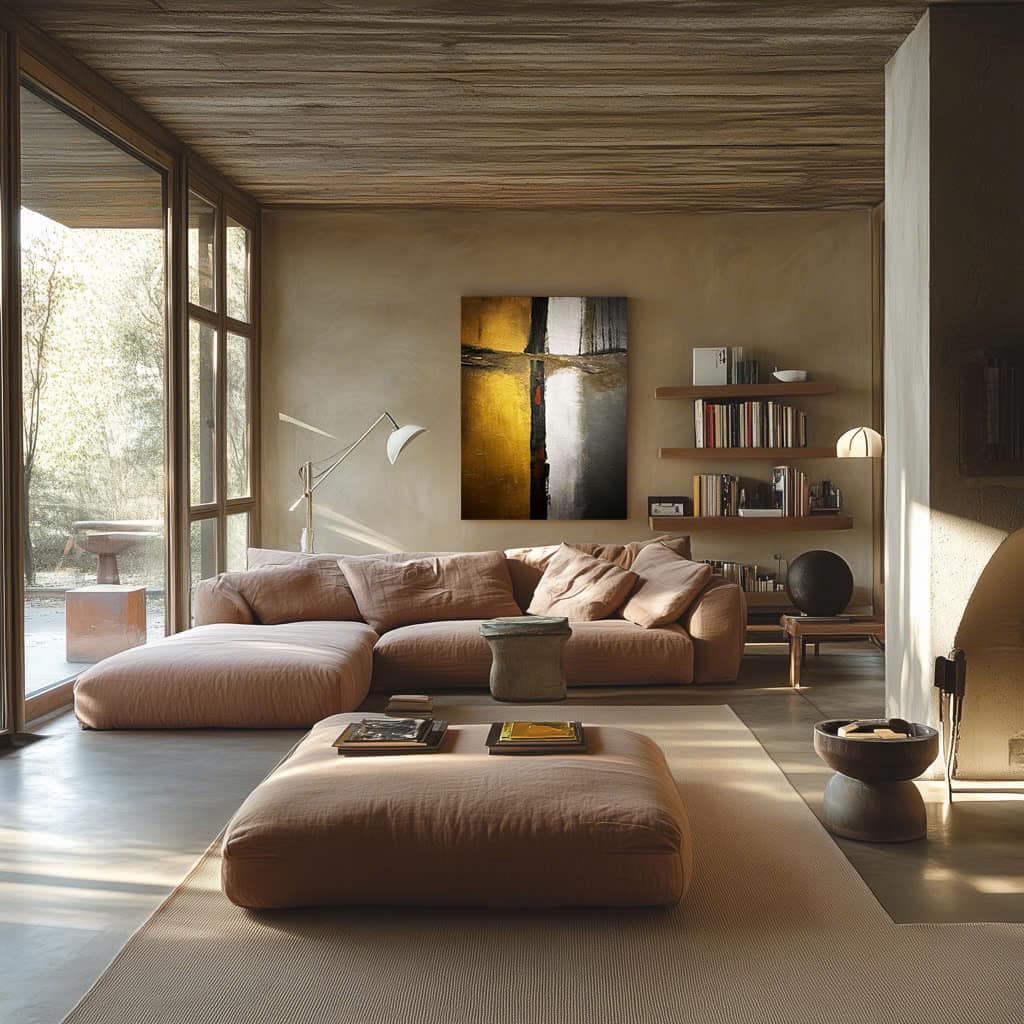
“The gentle interplay of light and shadow dances across the room, reminiscent of a fading memory. Each element, from the plush seating to the artful arrangement of books, whispers stories of bygone days. The warmth of wood and fabric envelops the senses, creating a cocoon of comfort and reflection. This harmonious blend of textures and hues captures the essence of nostalgia, a poetic journey through time, where beauty and melancholy coexist in a delicate balance.”
Next project | The PIG House
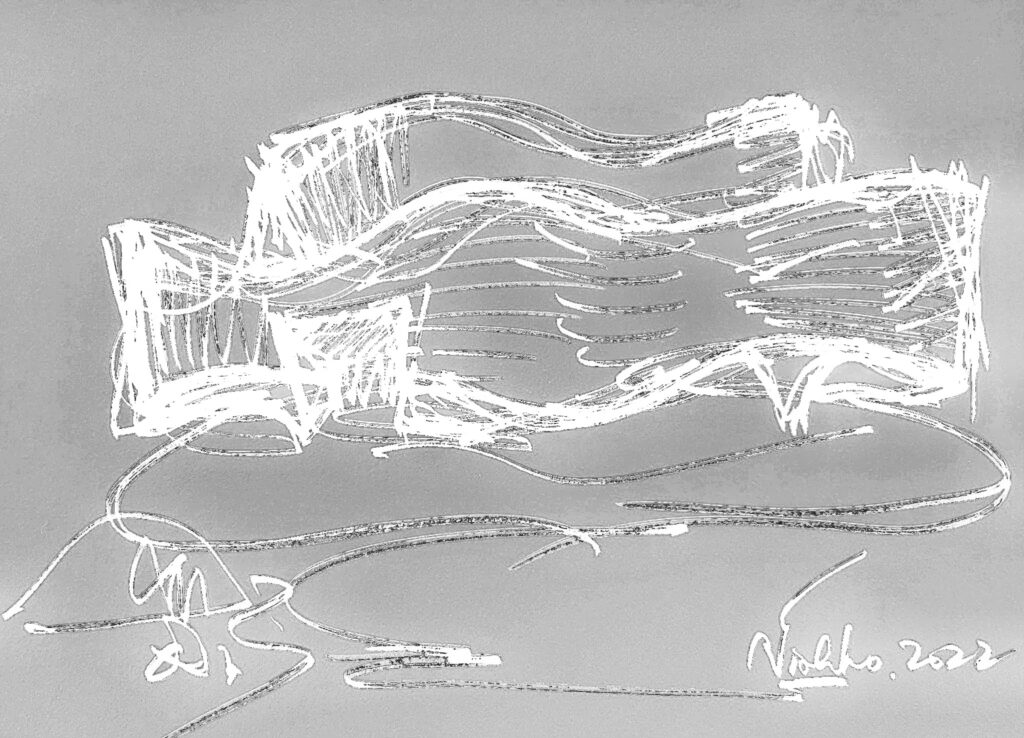
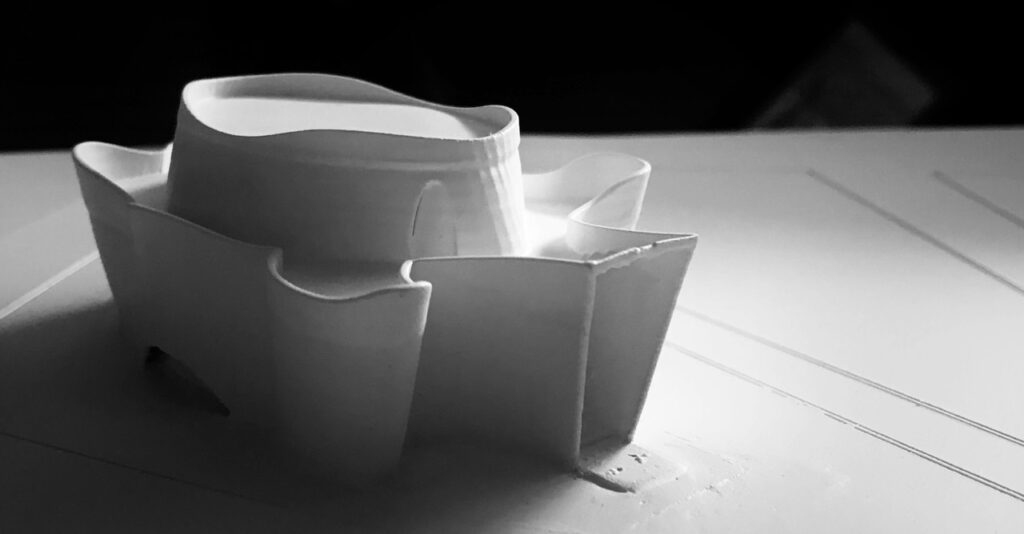
Ancient Greek legend has it that the pig was the favorite animal of Demeter – goddess of crops and farming on earth. This was the holiest god for the Greeks. Since ancient times, people have used pigs to sacrifice this goddess. The magical transformation that turns humans into pigs appears in many myths, such as in Homer’s epic Odysseus. In this story, the crew of the hero ship was turned into pigs by the goddess Circe. Pig is one of the 12 animals that represent the 12-year cycle of Dizhi of China, Vietnam, Japan, Korea, North Korea and many other countries in Asia. It is associated with the Zodiac Pig. Those who believe in Chinese astrology have always attached pig characteristics to people born in the year of the Pig. Those born in this year are often considered lucky and have a prosperous and leisurely life. PIG House is life within and beyond the form of this animist.
Next project | Majestic Hotel Renovation
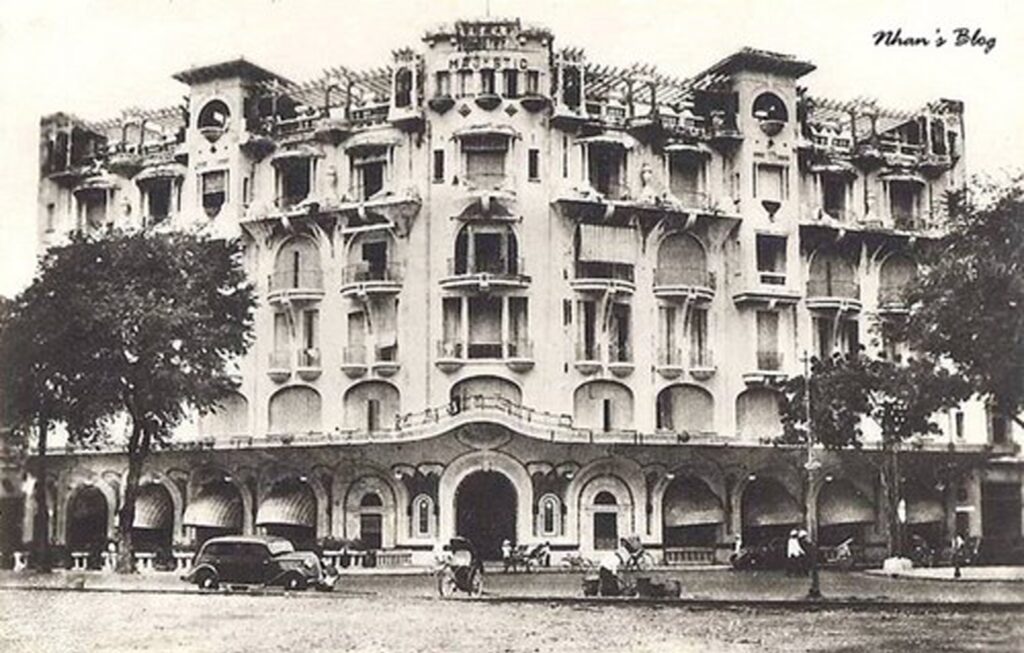
Established by the Hui-Bon-Hoa Company (owned by a Chinese-Vietnamese businessman known as Uncle Hoa), the hotel is located at the corner of Catinat Street (now Dong Khoi Street) and Quai de Belgique Street (now Ton Duc Thang Street). Designed in the popular baroque architectural style of the time, the hotel became one of Saigon’s most elegant and impressive buildings upon its completion in 1925.
The Majestic initially had three stories and 44 bedrooms, as per the original design by a French architect. In 1948, the Indochina Tourism and Exhibition Department, led by the Frenchman Franchini Mathieu, purchased the ground and first floors of the hotel and leased 44 rooms for 30 years.
The hotel was officially rated as a five-star establishment in 2007. In July 2011, construction began on two new towers along Nguyen Hue Street, adding 353 rooms to the hotel.
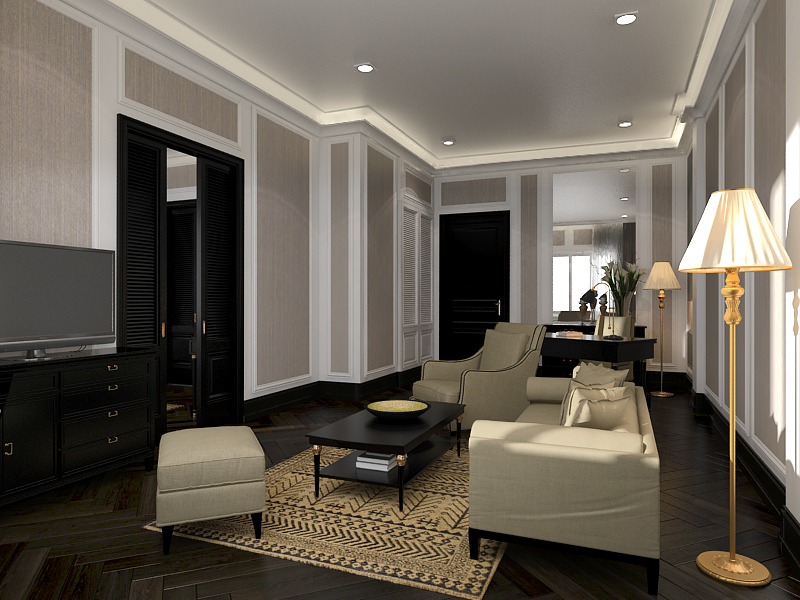
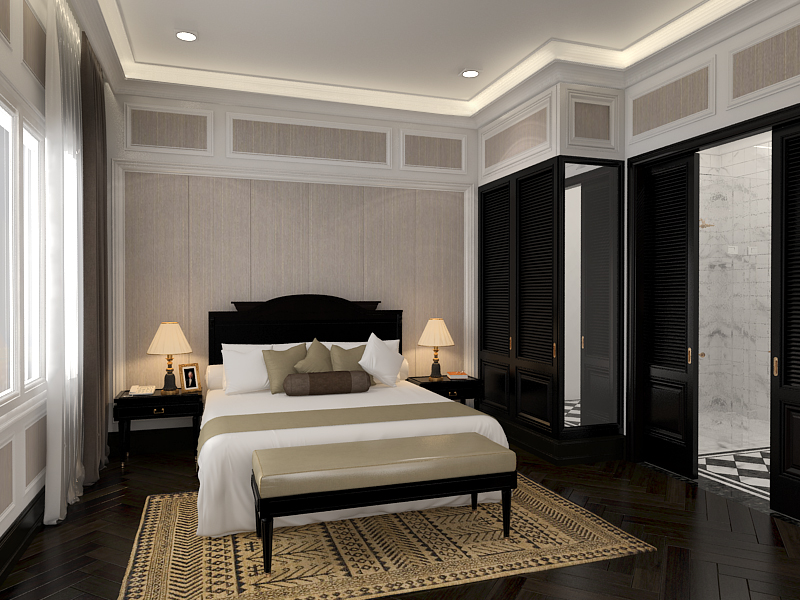
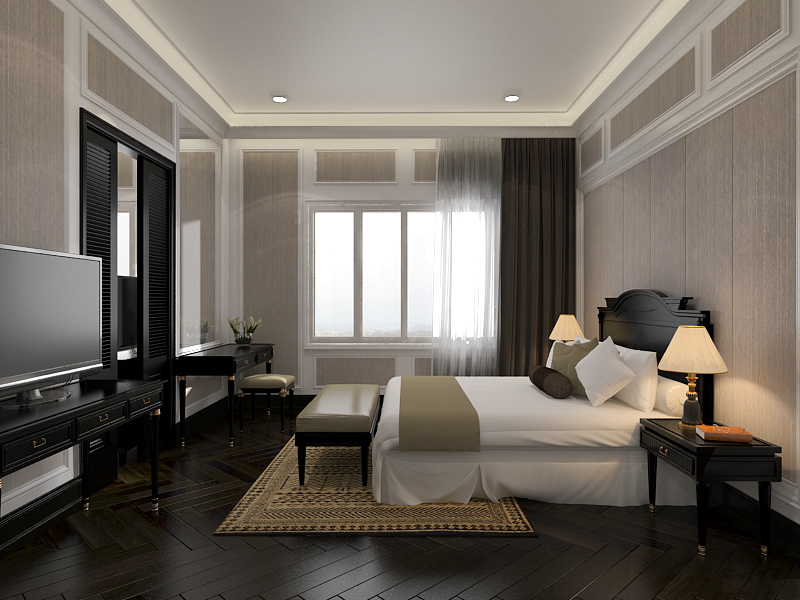
However, over time, the usage of the space and the integration of modern equipment have diminished the building’s original value. The goal of the redesign and renovation is to restore its luxury and evoke the essence of the famous Indochinese architectural style, reminiscent of old Saigon.

Next project | Ruộng thức
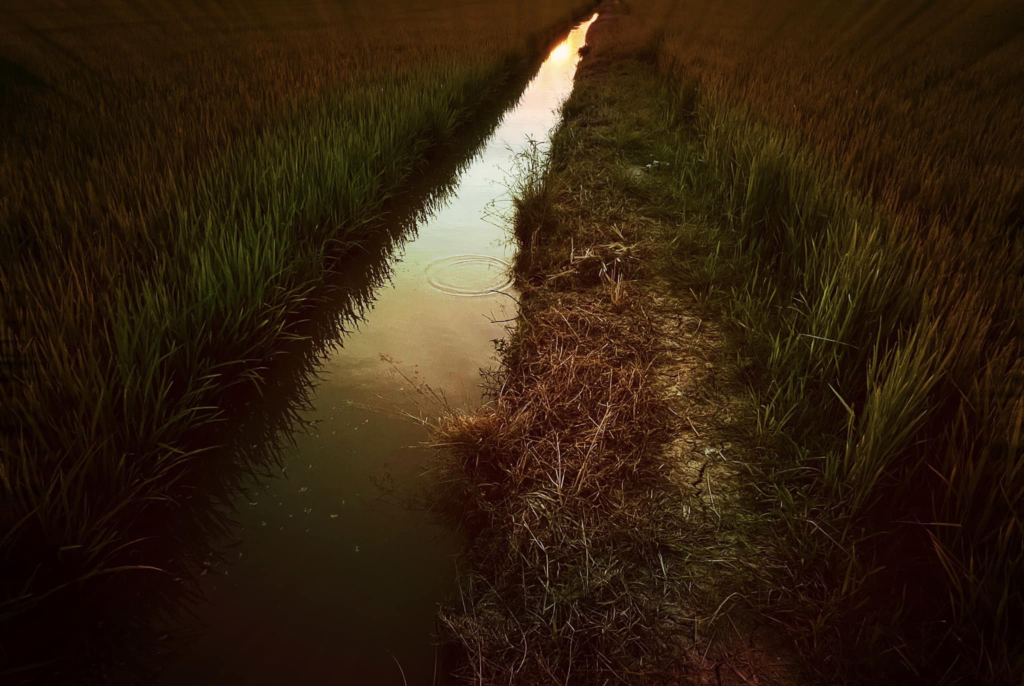
Bước đi trên thửa ruộng, một bên đang chín vàng và một bên tuổi mười sáu, lòng như bước vào một ngã rẽ thời gian. Vựa lúa đồng bằng không ngủ để mang thóc gạo đến các hải cảng, để chuyển đến nơi cần đến. Vậy mà nó không một khoảng lặng nghỉ ngơi giữa các mùa vụ để hồi sinh. Ngày xưa, người dân cho đất nghỉ sau các mùa vụ canh tác; thế mà giờ đây nó phải đầu tắt mặt tối, phải gồng gánh sức nặng của mưu sinh. Một khi không được nghỉ ngơi vào mùa nước tràn đồng thì đất sẽ suy kiệt do không ngậm được phù sa, cái thưở mùa nước nổi cả đồng bằng như vào một ngày hội lớn: sự tất bật tạm lắng lại để tiếng cười và tiếng thở của đất được rền vang và hồi phục. Giờ đây, đến mùa nước nổi, cánh đồng vẫn vậy, nước không tràn qua đê bao bảo vệ mùa vụ. Dòng phù sa được ví như dòng sữa mẹ nuôi dưỡng vùng Châu thổ thì giờ đây đã cuộn cuộn chảy ra biển tạo thành các cù lao, ụ nổi ngăn đường ra biển lớn.
Ruộng thức là trăn trở và tâm sự của một vùng châu thổ trù phú đất ngậm phù sa một thời.
KTS. Hồ Viết Vinh
Next project | Tự tại
Êm đềm tựa giọt sương tinh khiết gieo mầm an lành.
Can trường cắm cội rễ sâu bền trước bão lũ.
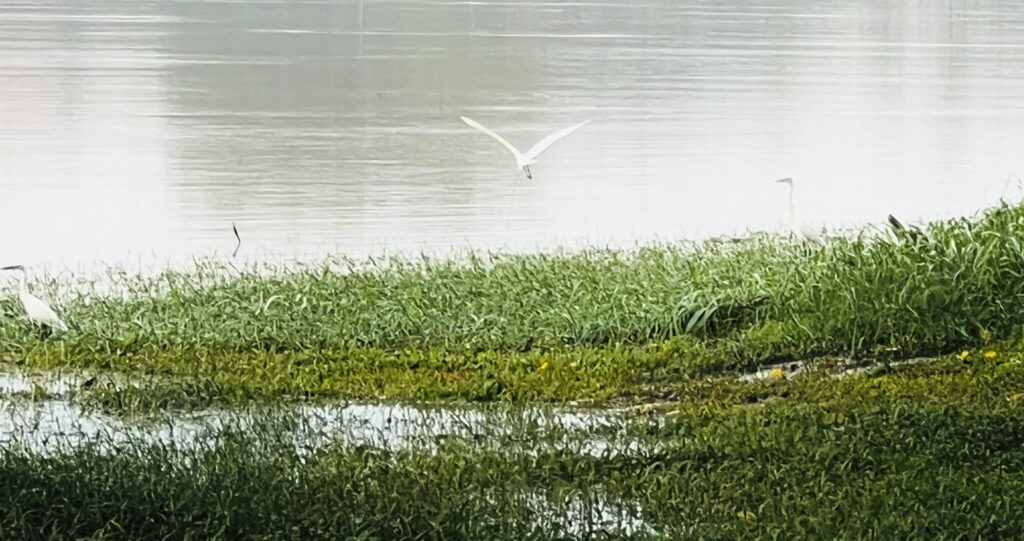
Hoa trôi nở hương thơm giữa dòng nổi sóng, bờ cỏ lặng lẽ tựa mặt hồ thu.
Hương Giang trở thành ngọn đuốc chánh niệm – vừa tỏa sáng tự thân, vừa soi đường dẫn lối.
Next project | The VIDE Villa
Next project | Moon
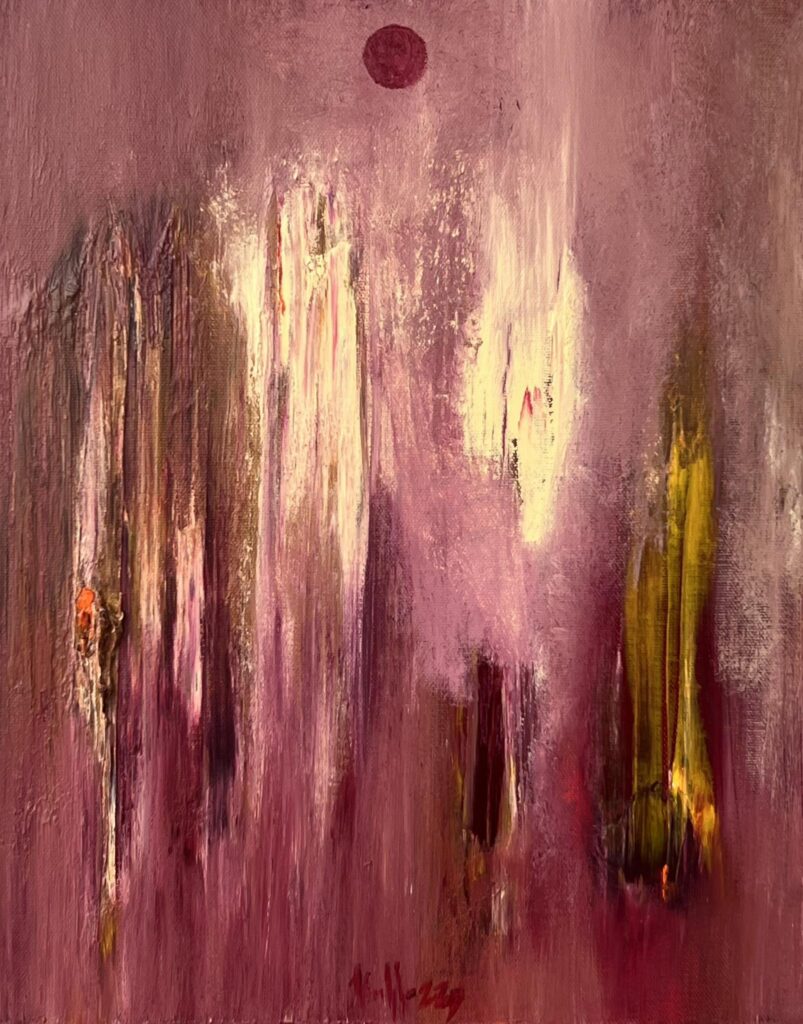
Vinhho, Oil on canvas, 45x55cm, Maison de Corail reserved, 2025
Next project | KHỞI NGUỒN

a photo by Vinhho 2025
Tôi không nhớ chính xác lần đầu tiên mình xem Rêu không phải là rêu mà là nhân chứng của thời gian và nơi chốn tự bao giờ? Có lẽ đó là một buổi sáng sớm khi sương còn đọng trên những phiến đá bên bờ suối. Hoặc có thể là một buổi chiều mưa, khi những mảng rêu xanh mướt trải dài trên tường gạch cũ, như những vết tích của một thời đại đã ngủ quên.
Dù là lúc nào, Rêu vẫn luôn ở đó, lặng lẽ, trầm mặc, bám rễ vào thời gian theo cách riêng của nó.
Rêu không phải là cỏ cây, cũng không hoàn toàn là rong rêu trôi dạt theo dòng nước. Nó là một thực thể kỳ lạ, vừa nguyên sơ, vừa vĩnh cửu. Rêu không có rễ, nhưng lại bám chặt vào đá. Không có thân cành, nhưng lan rộng như một tấm thảm. Không có tiếng nói, nhưng lại kể những câu chuyện cổ xưa hơn bất cứ cuốn sách nào từng được viết ra.
Thế giới của Rêu là một vùng giao thoa giữa cái hữu hình và cái vô hình. Nếu nhìn từ xa, Rêu chỉ là một lớp xanh nhạt, một mảng màu lặng lẽ trên nền đá xám. Nhưng nếu cúi xuống thật gần, ta sẽ thấy một hệ sinh thái thu nhỏ, nơi những sợi tơ mềm mại vươn lên, đón lấy ánh sáng đầu ngày. Rêu không chỉ sống trong không gian – nó còn bám vào ký ức, len lỏi vào những vết nứt của thời gian.
Tôi gọi Rêu mang một diễn trình với tên gọi “biên niên sử”: một cuốn sách không cần giấy mực, nhưng lưu giữ được những gì đã qua. Một hạt rêu nhỏ bé có thể mang theo nó câu chuyện của hàng trăm năm. Nó lớn lên trên bề mặt những công trình cổ, trên đá núi, trên mái ngói, trên những phiến đường rêu phong của một thành phố cũ. Nó ghi lại dấu vết của từng cơn mưa, từng đợt nắng, từng trận gió mùa.
Và như thế, Rêu bước vào cuộc đời tôi như một chứng nhân lặng lẽ nhưng không thể nào lơ đãng. Cùng với Thời gian, Rêu tồn tại trong một vũ điệu chậm rãi, không màng đến sự hối hả của thế gian. Tôi trở thành người chứng kiến: không, đúng hơn là kẻ lang thang giữa những lớp ký ức thời gian mà Rêu lưu giữ, cố gắng hiểu những gì mà nó muốn nói.
Nhưng liệu Biên niên sử Rêu có thực sự là một câu chuyện thú vị? Hay chỉ là tôi đang cố gắng tìm kiếm ý nghĩa trong một thứ vốn dĩ vô ngôn?
Kiến trúc sư Hồ Viết Vinh, Huế 2025
Next project | DANCE of LIGHT
The “Dance of light” stirring a feeling of motion and vitality. This interplay between brilliance and obscurity crafts an enigmatic allure, coaxing the observer to explore the depths of light.
Ho Viet Vinh
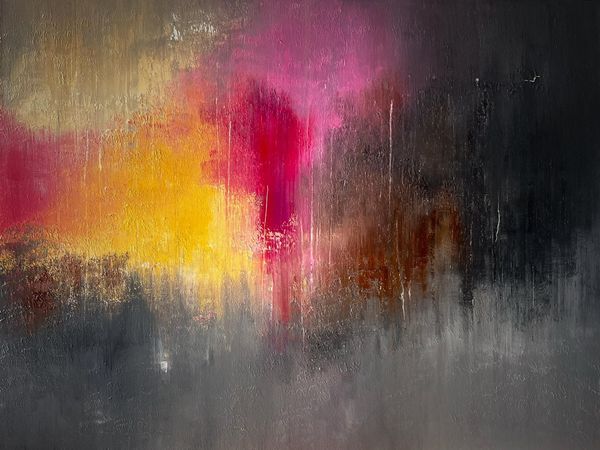
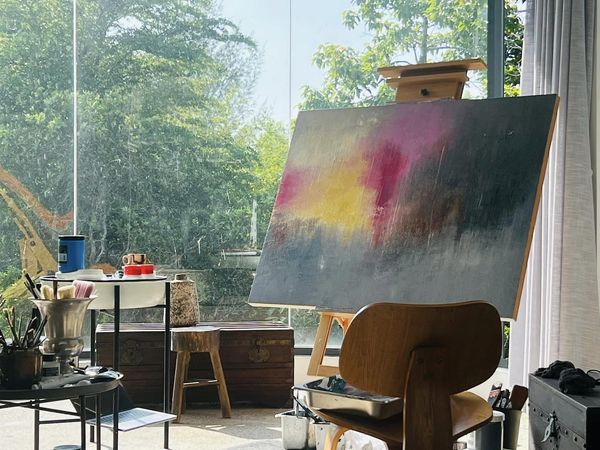
(Vinhho, Acrylic on canvas, 130x97cm, Maison de Corail.2024)
Next project | U Minh Thuong National Forest Ecological Experience Area
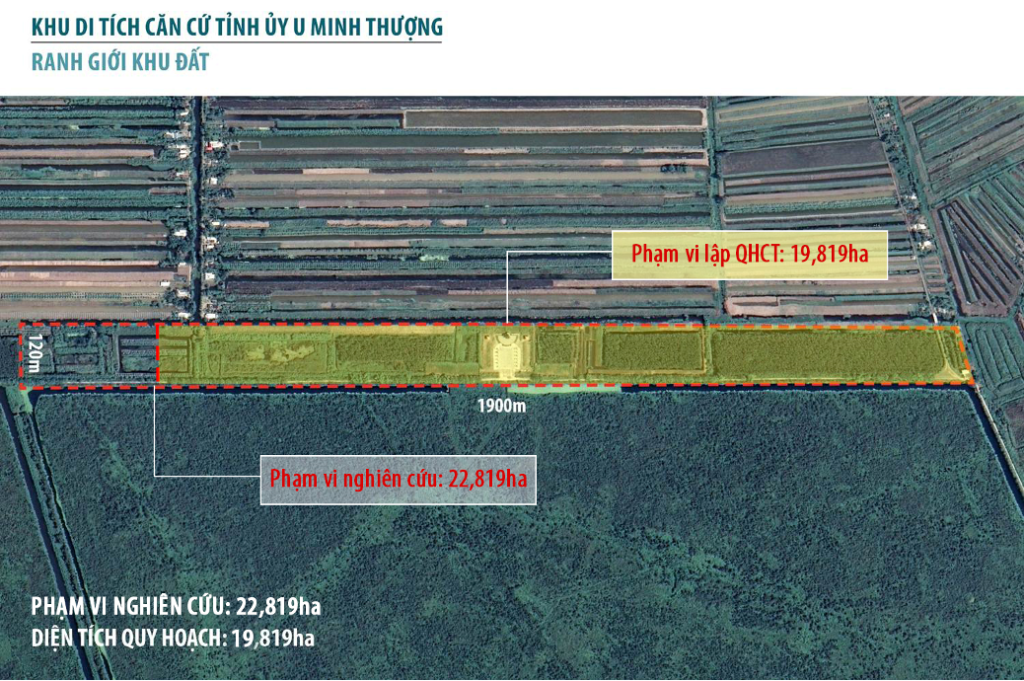
Project:
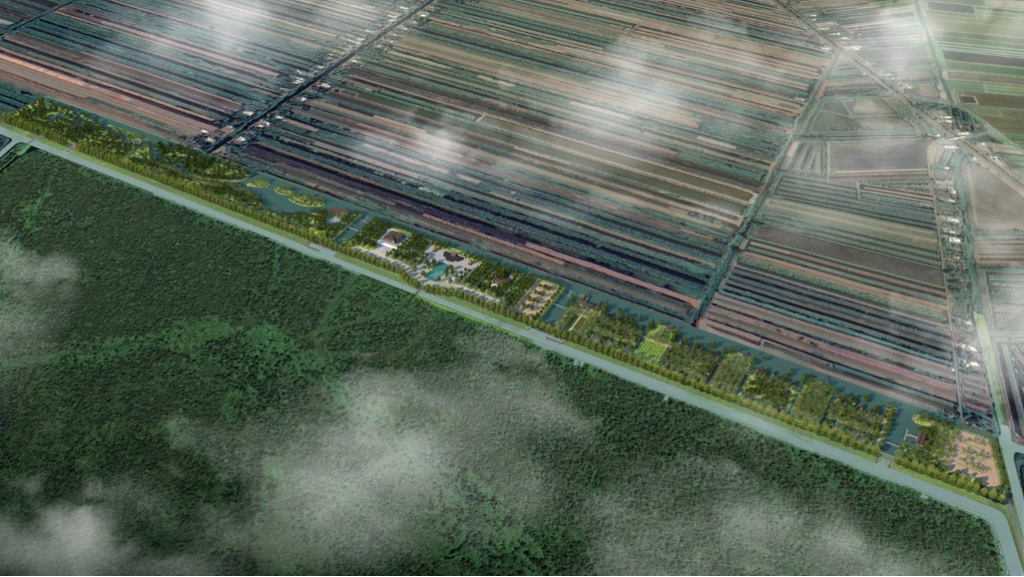
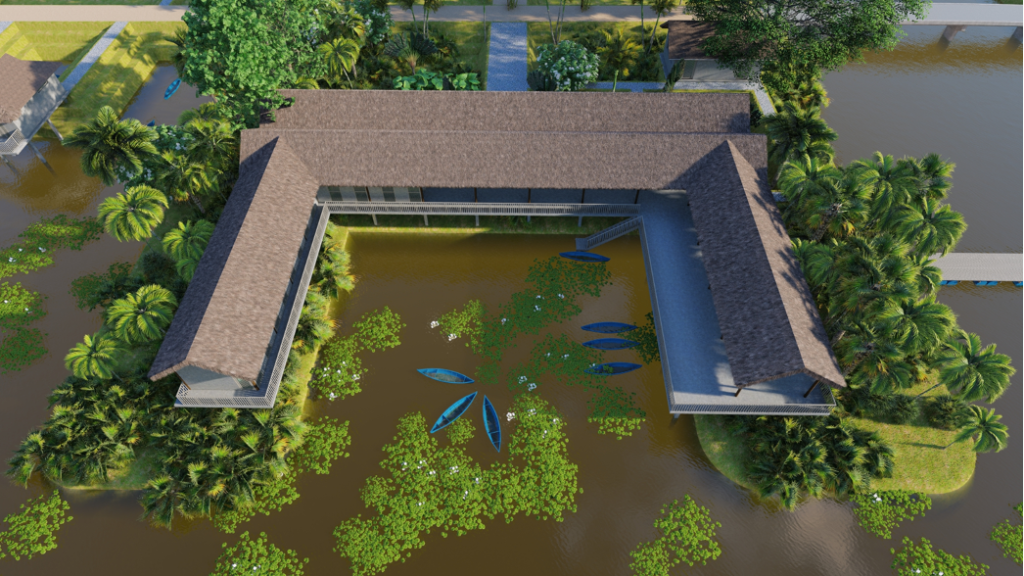
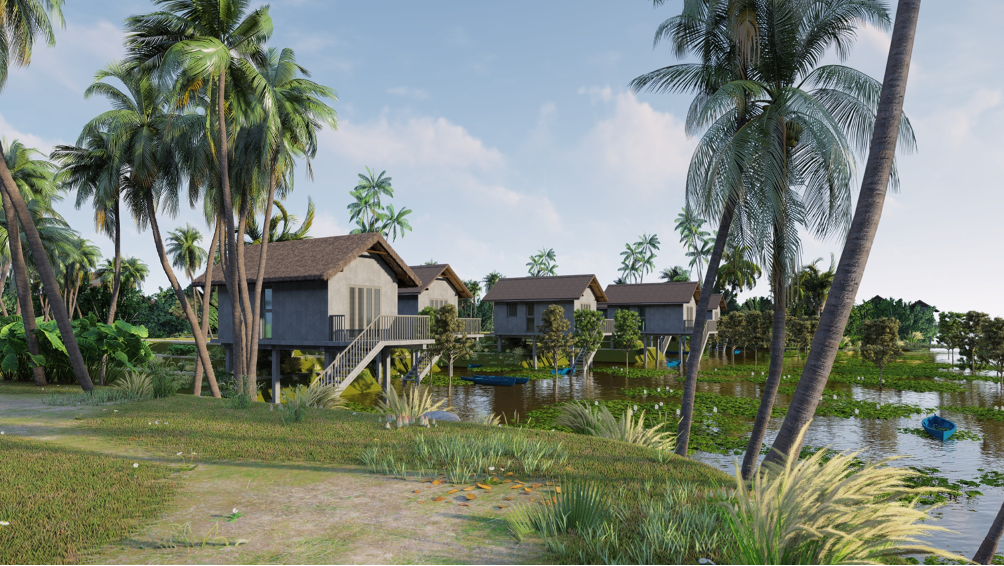
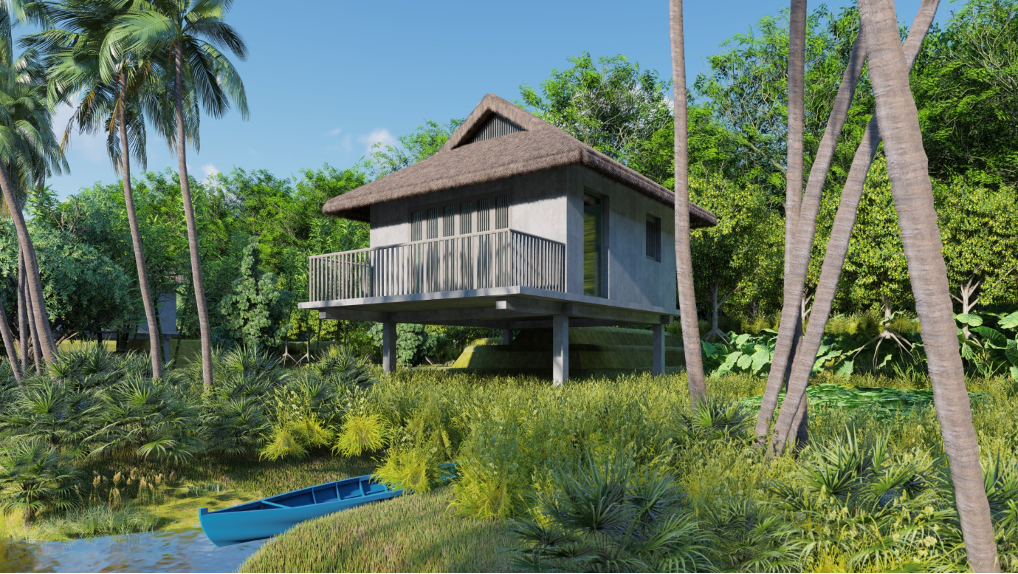
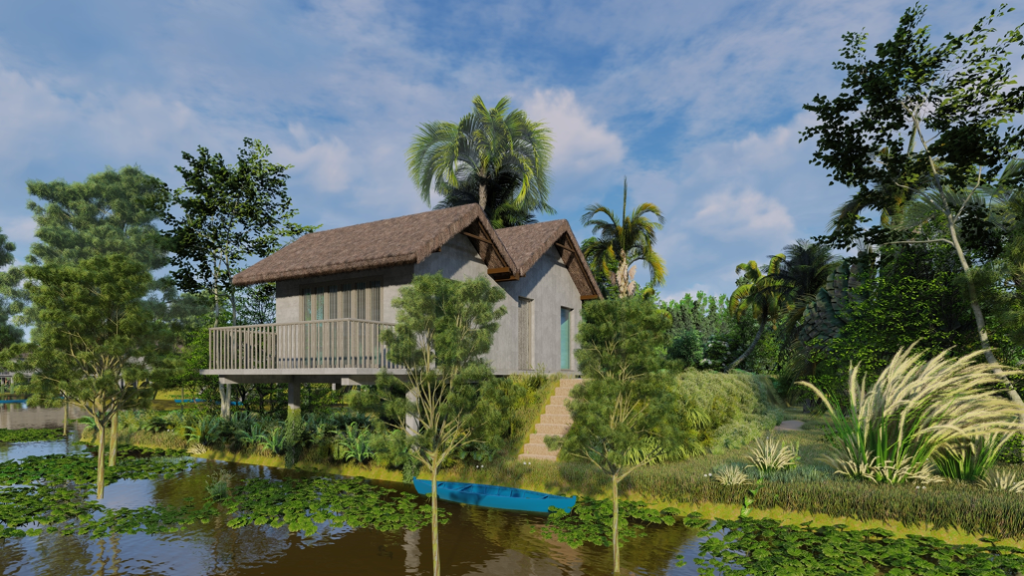
U Minh Thuong National Forest Ecological Experience Area
Location:
U Minh Thuong district, Kien Giang province
Area:
19,819 hectares
Services:
Urban planning, Architecture, Interior
Status:
Approved the detailed planning project at scale 1/500, 2019
Approved the project investment for the construction, 2020
Under construction
Team:
HVV architect and partners – CREA
Characteristics
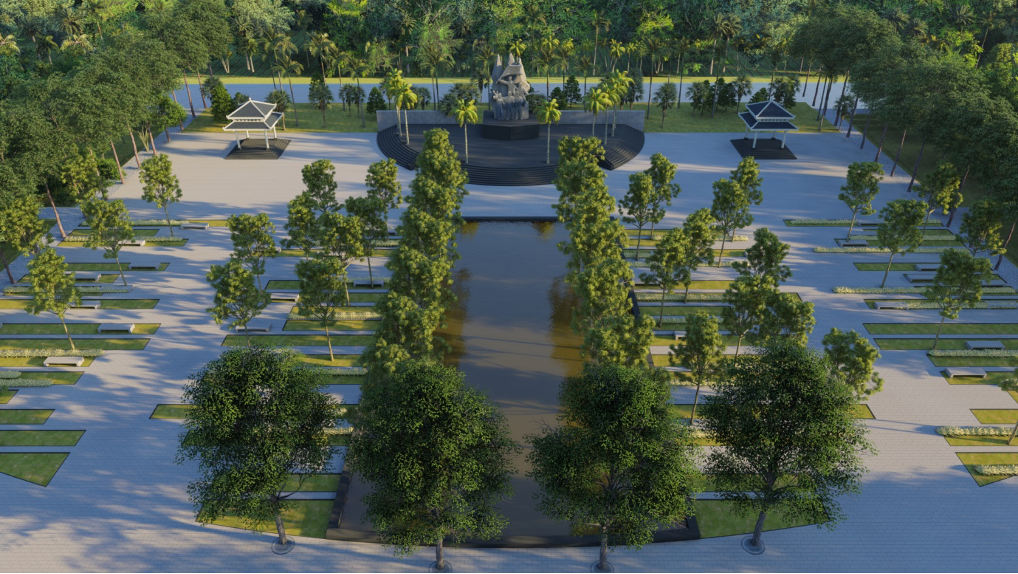
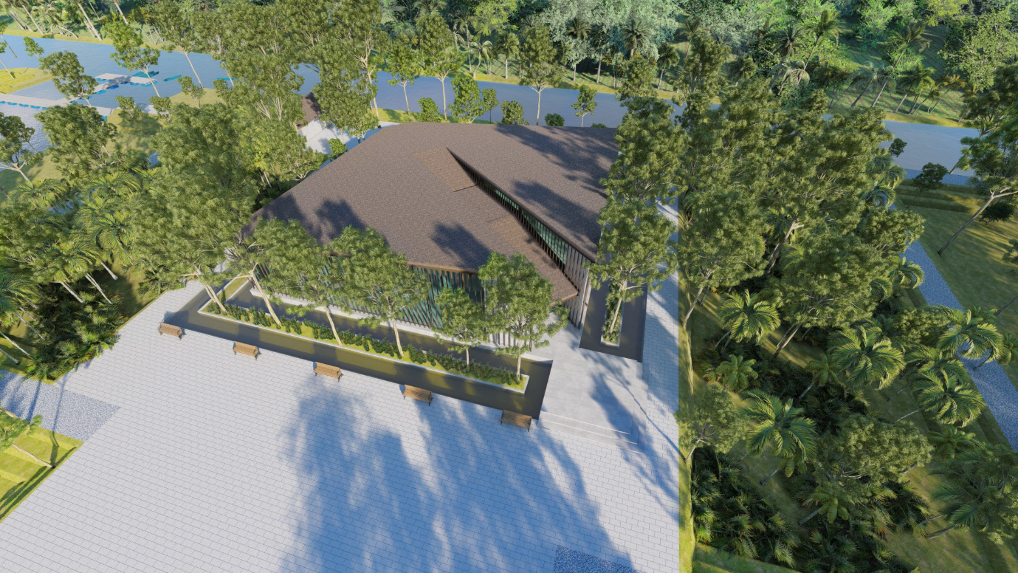
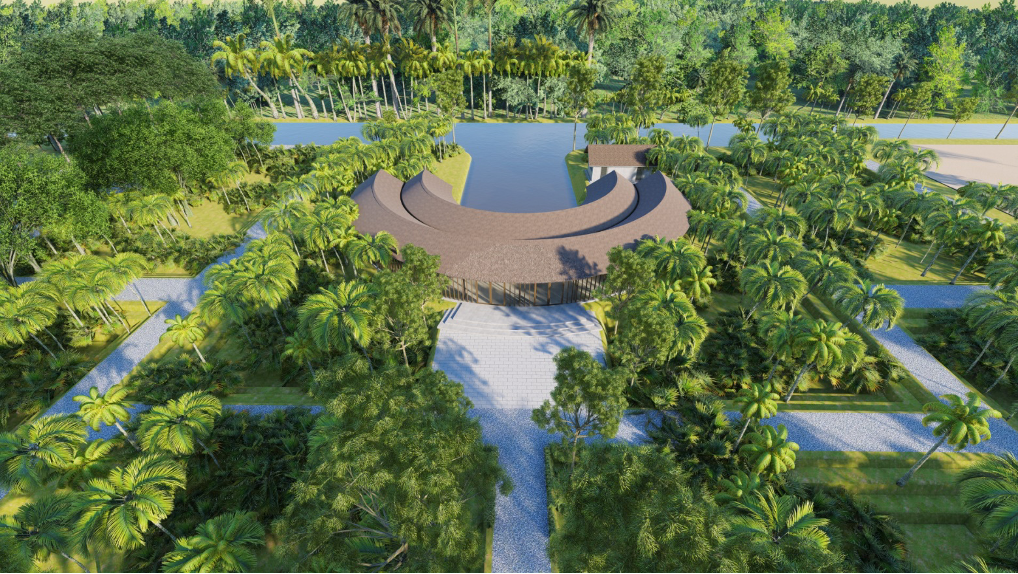
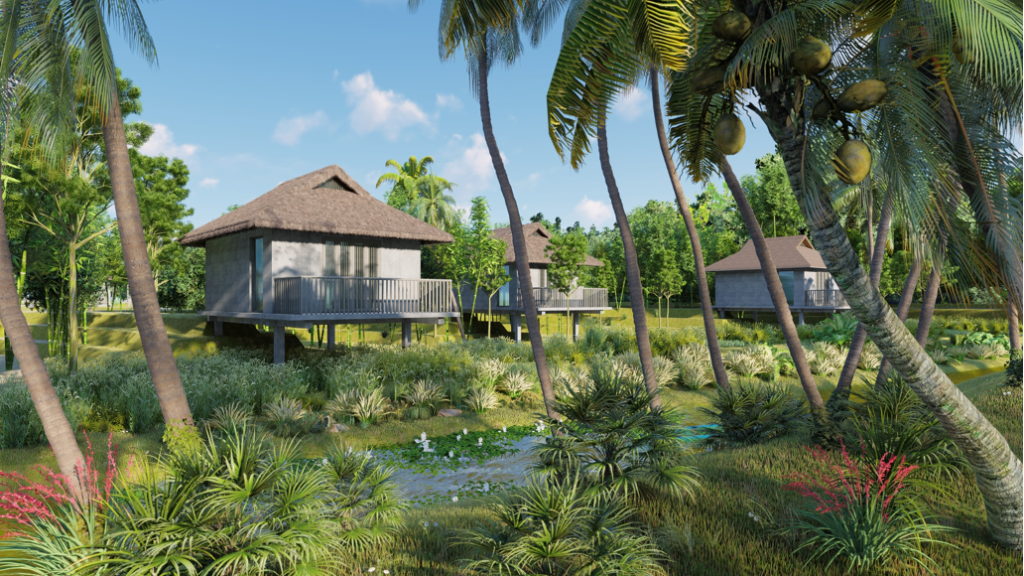
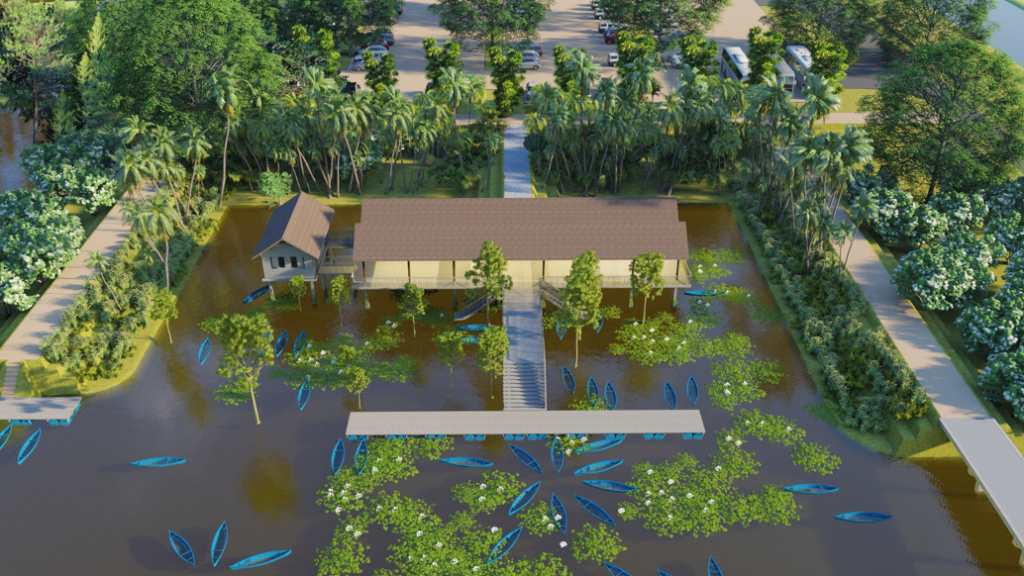
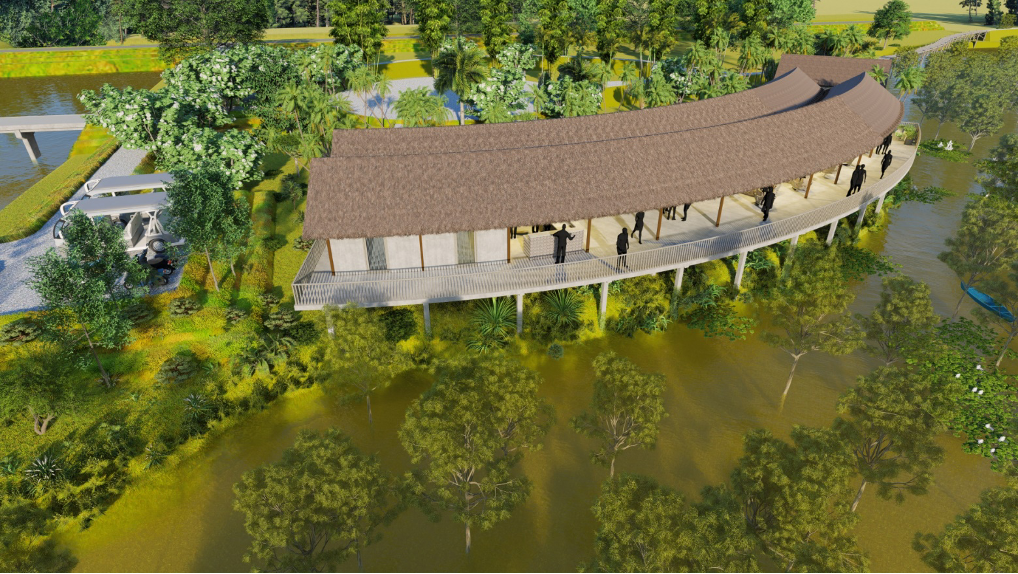
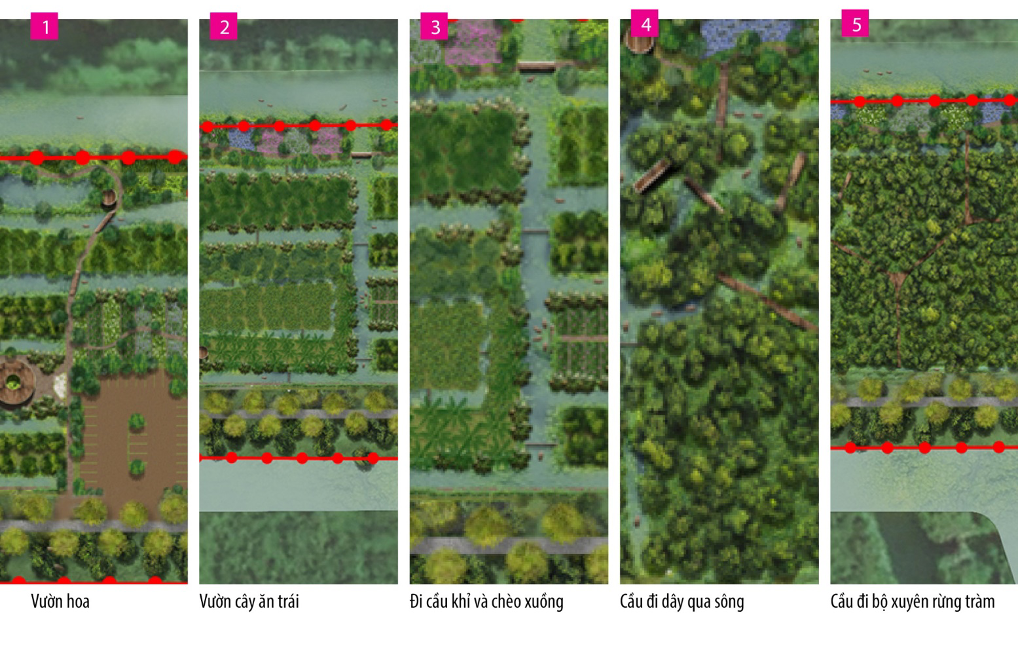
This is the former Provincial Party Committee Headquarter during the anti-American war, aimed at educating younger generations about revolutionary traditions and honoring the ecological and aesthetic values of U Minh Thuong National Forest in Kien Giang Province.
Design Principles
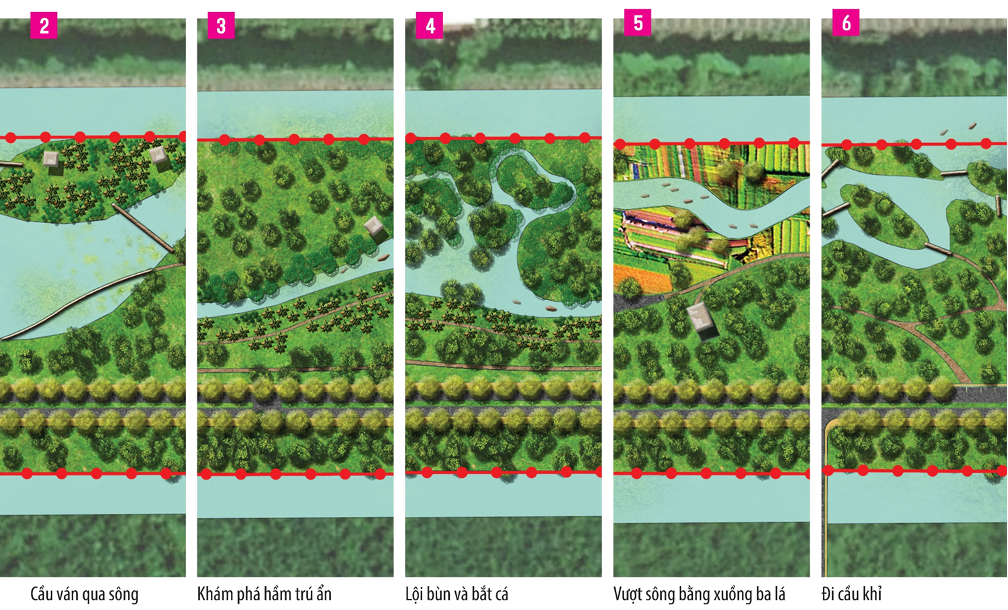
- Respect the existing landscape characteristics while creating diverse spatial arrangements to accommodate the various functions of the overall project.
- Inherit the cultural heritage values of Southern Vietnam through the development of a resort area that harmonizes local cultural elements with the natural landscape.
- Ensure vibrancy throughout the overall spatial design, maintaining solemnity in the central area while providing privacy and seclusion for functional areas such as eco-experience resorts, recreational areas, and spaces for outdoor activities reflecting Southern Vietnamese lifestyles.
- Protect the environmental landscape by preserving the existing ecological scenery, employing on-site earthworks, and utilizing local materials.
Next project | Container Resort
Project
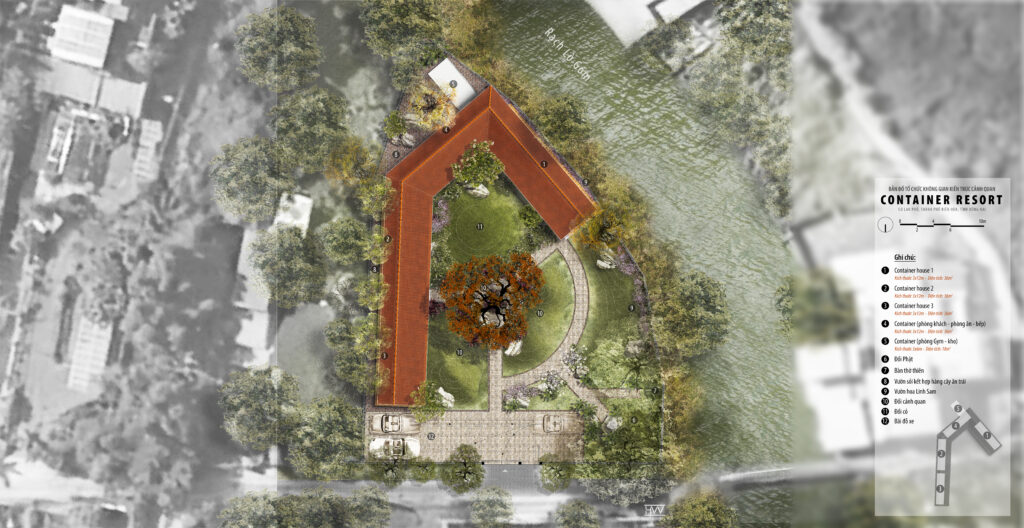
Container Resort
Location
Cu Lao Pho, Bien Hoa City, Dong Nai Province, Vietnam
Area
1.500 m²
Services
Masterplan, Architecture and Interior design
Status
Under construction
Team
HVV Architect & Partners
Intro
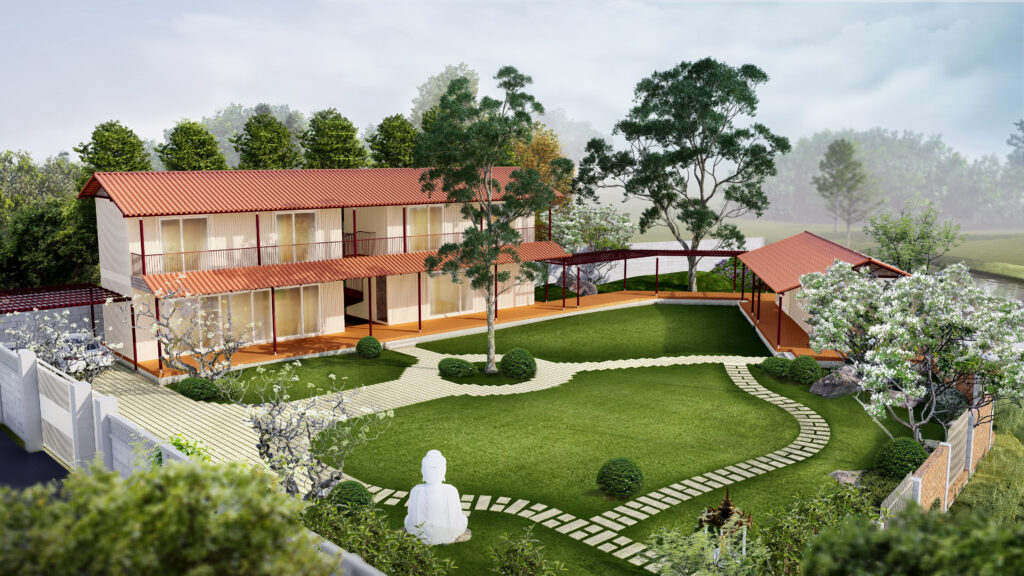
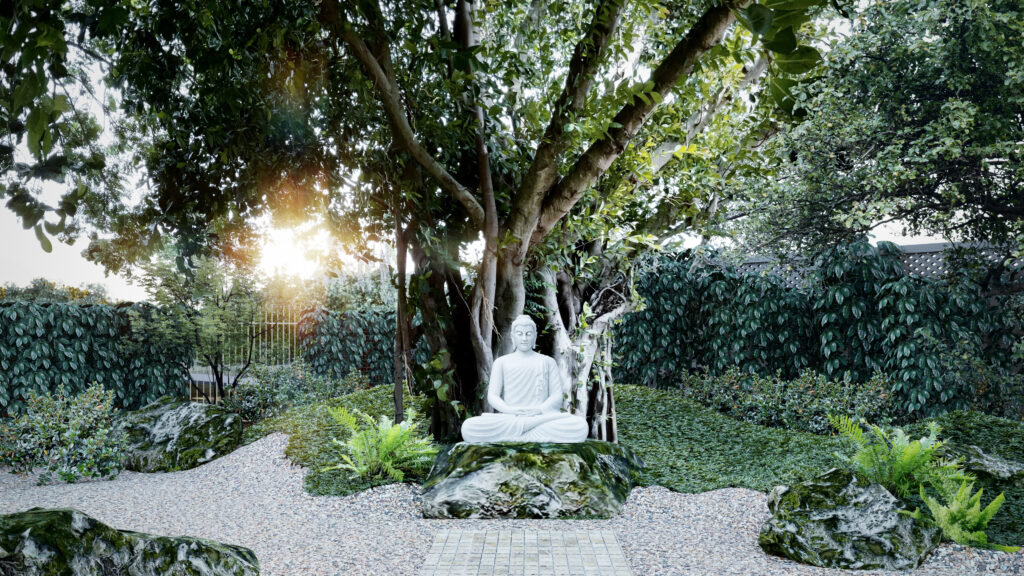
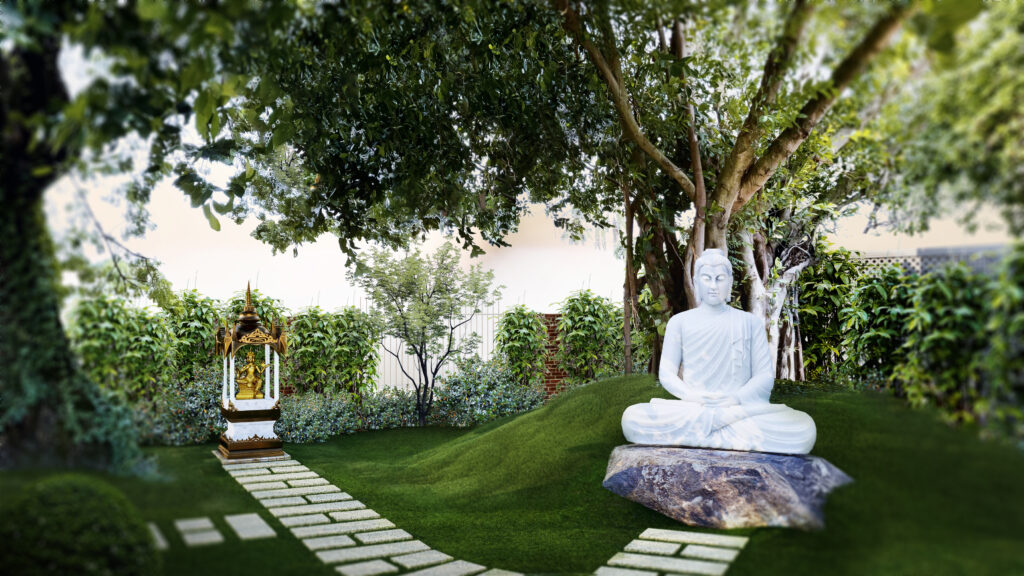
Standing in the garden feels like stepping into a separate realm, where time seems to pause, leaving only gentle sounds and serene imagery. Beneath the shade of an ancient Bodhi tree, the Buddha statue exudes a quiet majesty, offering a soft reminder to let go of burdens and listen to the tranquil rhythm within the depths of the soul.
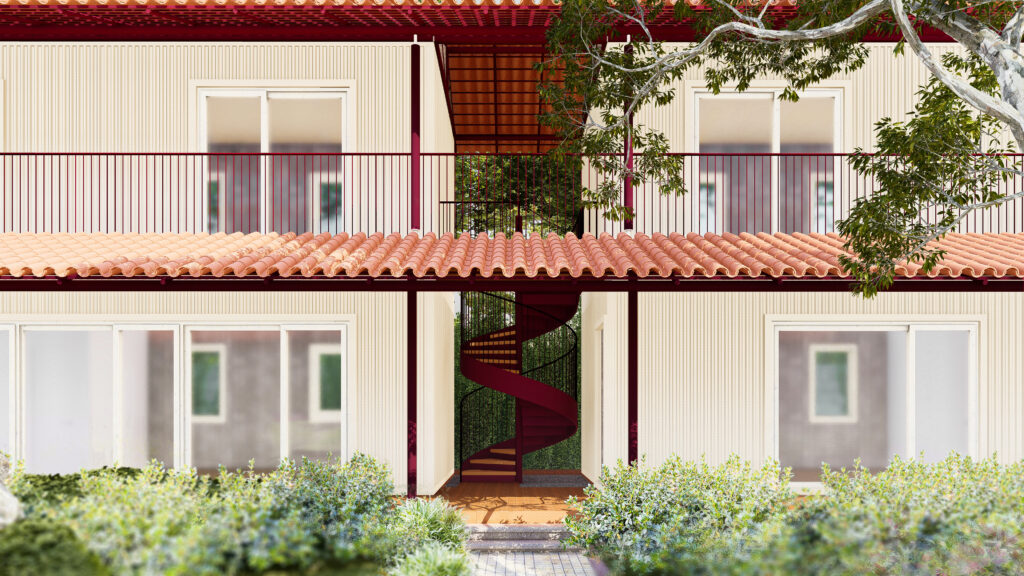
This is not just a place of retreat but a sanctuary for rediscovering peace amidst life’s constant flow. Here, lush greenery embraces every contour of modern architecture, together composing a perfect harmony that guides individuals back to their true selves.