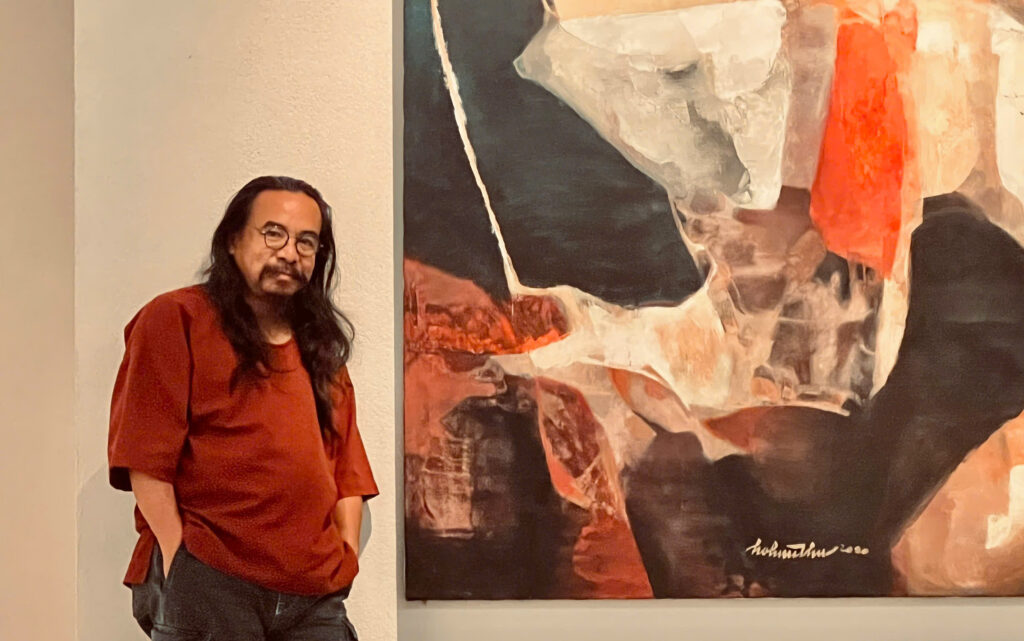
Gió ngây
mây đứng
hoa ngừng hé,
Lặng xé trời không
một tiếng đầy.
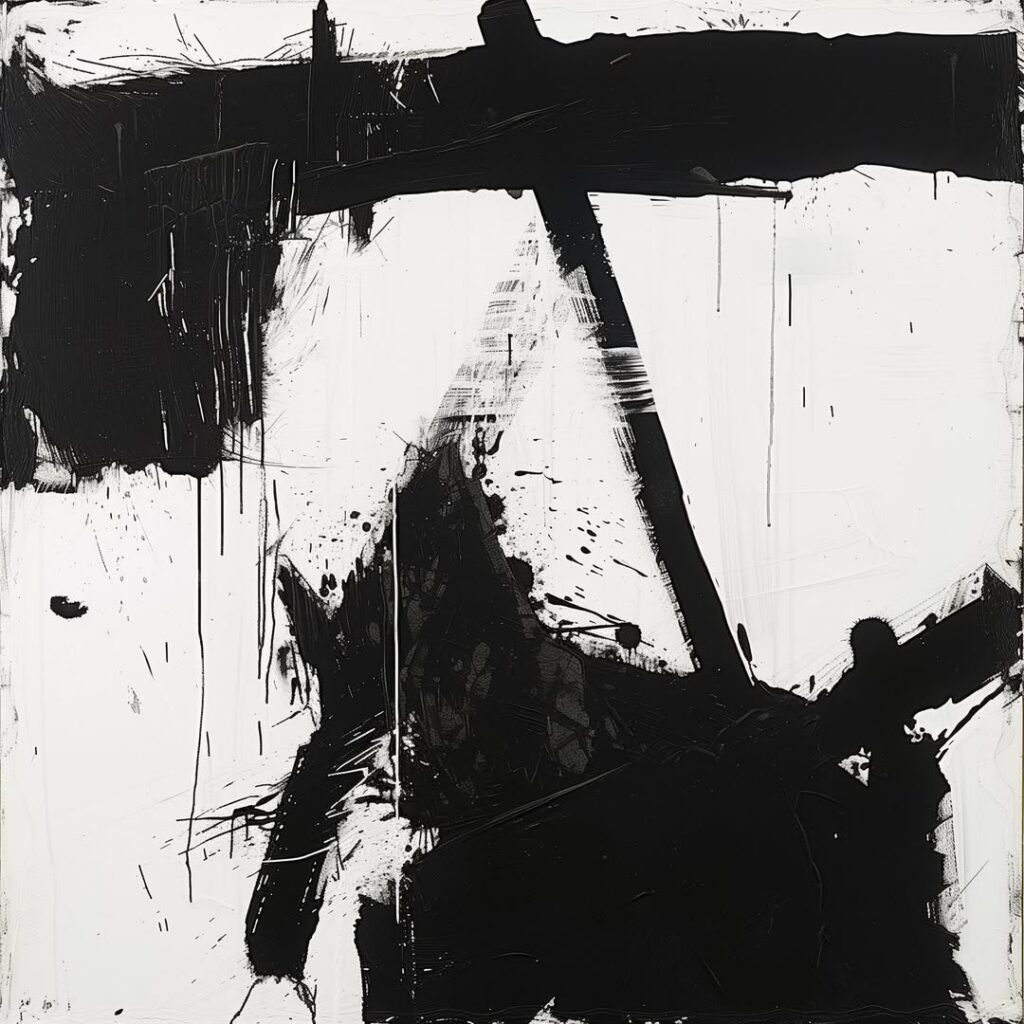
Next project | ngẫm
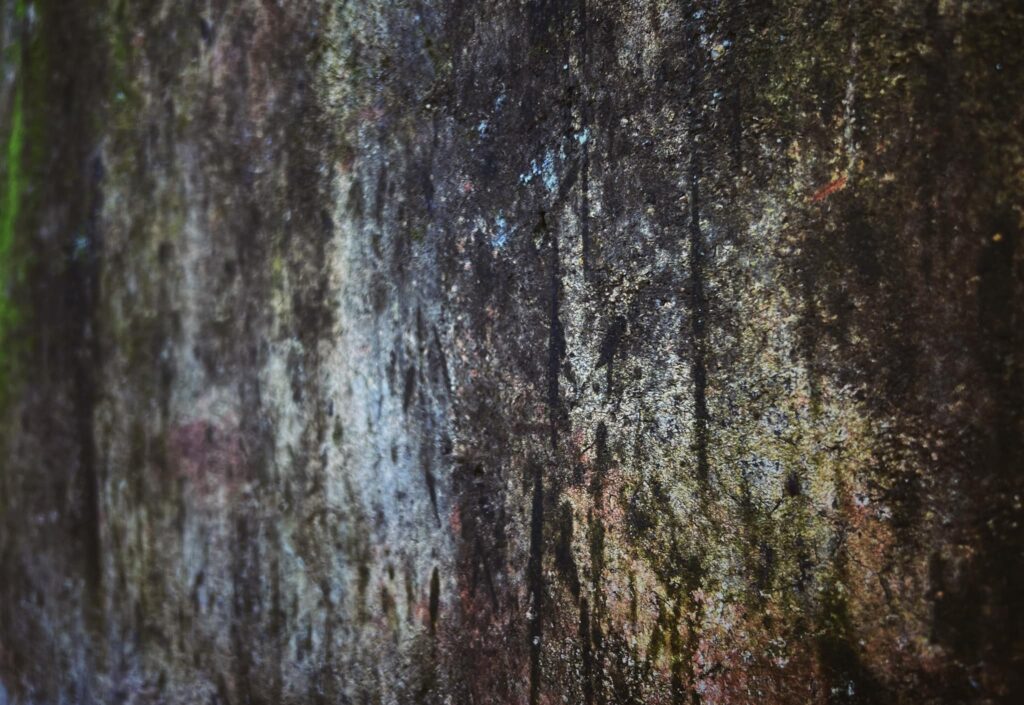
Bóng thâm sâu in hình hài thế kỷ,
Vượt thời gian kể chuyện vẻ huy hoàng,
Soi nắng để hao mòn năm tháng cũ,
Chợt sương tan hoá hiện cõi vô thường.
HoVietVinh 19.02.2025
Next project | Cần được khắc tên để tưởng nhớ
TP.HCM đang tổ chức cho người dân cả nước góp ý, hiến kế về “Công trình biểu tượng ghi nhận sự chung sức, đồng lòng của người dân vượt qua đại dịch COVID-19” tại TP.HCM ở khu đất số 1 Lý Thái Tổ (phường Vườn Lài).
Theo kiến trúc sư Hồ Viết Vinh,
Đối với đồng bào thành phố đã nằm xuống trong cuộc chiến chống đại dịch cần được tri ân, ghi nhớ một cách trân trọng tại công trình trên bằng cách khắc tên ở công trình. Rất nhiều công trình tưởng niệm trên thế giới đều có khắc tên các nạn nhân như công trình kỷ niệm sự kiện 11-9 ở Mỹ hay trận động đất ở Đường Sơn, Trung Quốc…
Đối với 23.000 đồng bào mất đi cần được nhắc nhớ một cách trang trọng để mọi người còn biết tưởng nhớ đến ai, tri ân ai. Những người đã nằm xuống cho cuộc sống hôm nay thì bất kể họ là ai, không phân biệt, phải được những người hôm nay, thế hệ sau đến công trình tham quan tự lắng đọng, biết ơn mới thể hiện sự nhân văn.

Vui lòng đọc đầy đủ nội dung bài báo tại link này (bấm vào đây).
Next project | Mùa đào
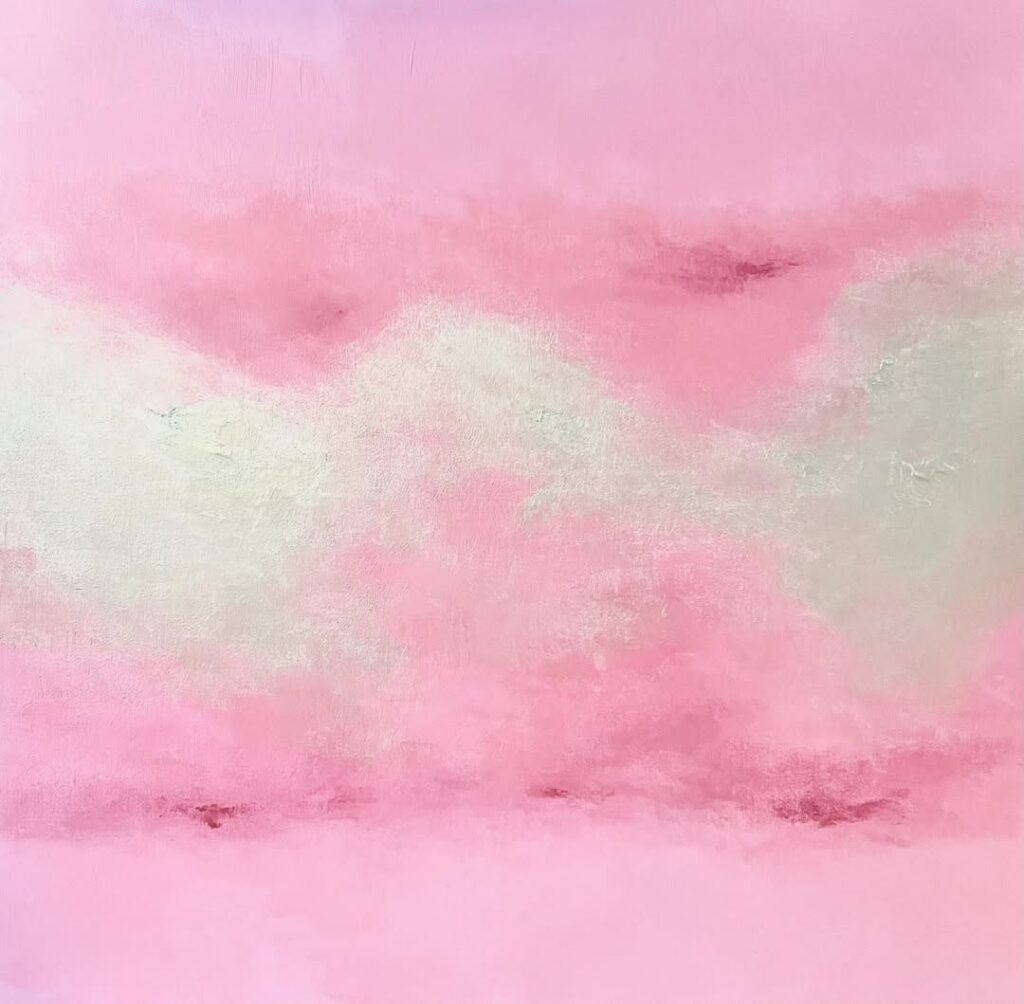
Vinhho, Acrylic on canvas, 150x150cm, Maison d’Art reserved, 2026
Mùa đào
Núi hồng thiên thu áo,
Ánh nồng gởi mùa đông,
Sắc không phai vì sắc.
KTS Hồ Viết Vinh 260108.
Next project | The Ideas competition for Thu Thiem Master Plan
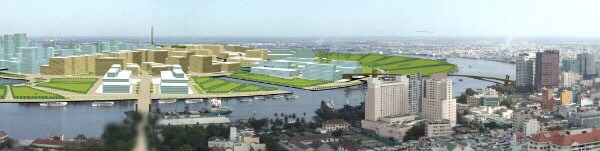
The Concept for the Thu Thiem Master Plan envisions a lush peninsula of trees and waterways. Its urban spatial morphology is designed to achieve a balanced scale, harmonizing with the existing urban fabric. The central square is seamlessly connected by canals, directing water flows through the wetland forest. Along the banks of the Saigon River, open parks create a buffer that bridges the high-density urban spaces on the river’s west side.
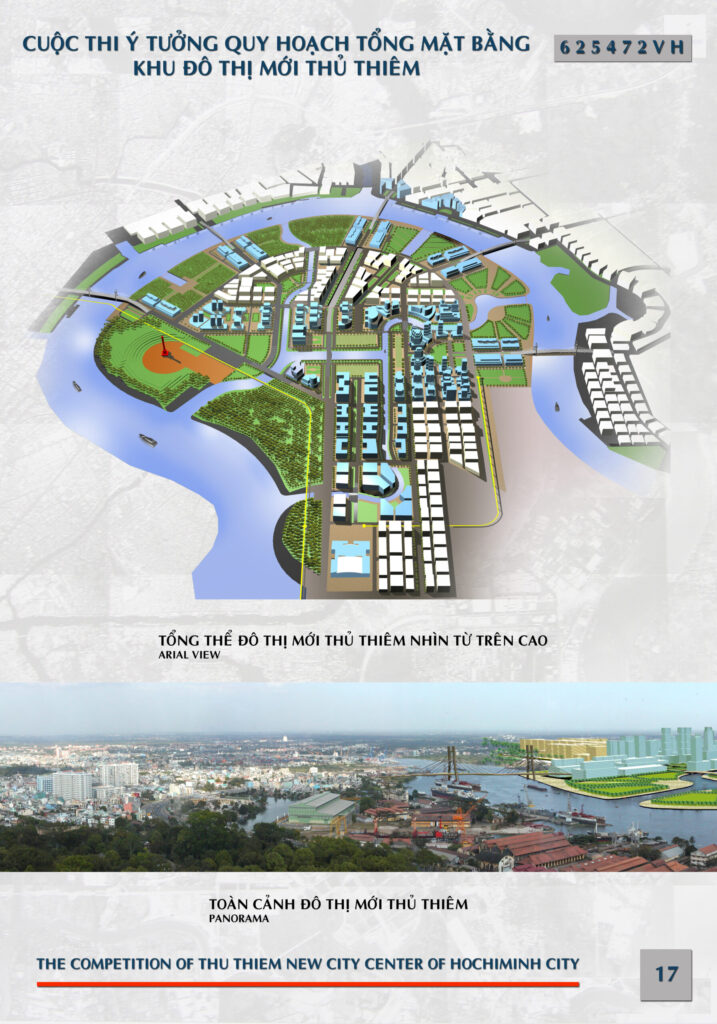
The master plan for the Thu Thiem New Urban Center triumphed over 29 competing proposals (14 international and 15 Vietnamese) to earn high acclaim. The selected plan, originally proposed by SASAKI Inc., incorporated additional ideas during the detailed planning stage.
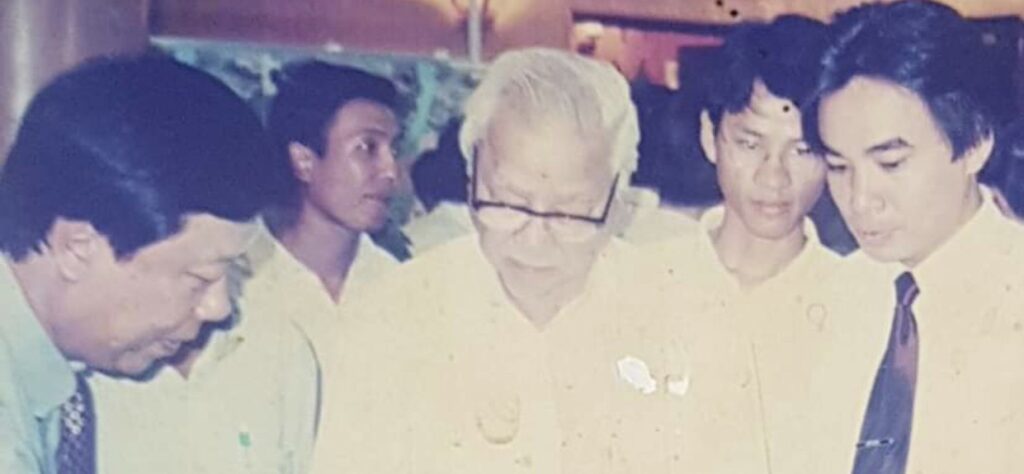
The selection committee, comprising renowned domestic and international urban experts, included figures such as Professor John Lang from New South Wales, Professor William S.W. Lim from Singapore, Professor Nguyen The Ba, and Professor Nguyen Manh Thu.
Type
Urban Planning
Year
2003
Area
730 hectares
Location
District 2, Ho Chi Minh City
Team
Professor Nguyen Trong Hoa
Master of Urban plannning Ho Viet Vinh
Next project | Vietnam’s new biophilic architecture is going wild
Picture architecture in Vietnam and you might imagine ancient temples buried down countryside lanes or faded colonial buildings lining the city streets. But spurred by unprecedented economic growth, this Southeast Asian country of almost 100 million is revamping its traditional image – and architecture is part of the overhaul. After decades spent trying to keep Vietnam’s unrelenting jungles out of the cities, visionary architects now harness the wilderness to enhance their urban creations. And the countryside is no longer designated for relics of the past – but also innovations for the future. From contemporary art hubs hiding in the hills to city tower blocks blooming with foliage, here is the architecture that is making its mark on Vietnam.
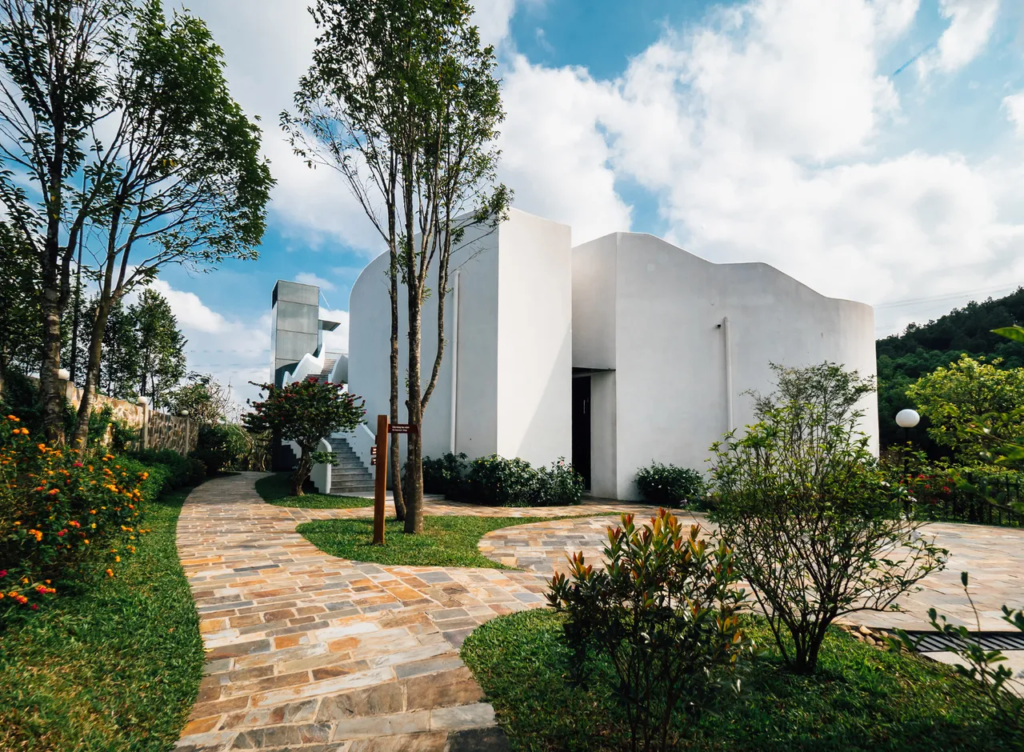
Lebadang Memory Space, by Architect Ho Viet Vinh
Nestled in the countryside together with Hue’s centuries-old royal tombs, Lebadang Memory Space is a lively architectural update to the city’s monarchical heritage. This contemporary art museum is dedicated to late local artist Le Ba Dang, who sketched the drawing that the blueprints are based on. Local architect Ho Viet Vinh designed the structure, completed in April 2019, with a central skylight that allows beams of light to track through the exhibition hall throughout the day.
Sky House by MIA Design Studio
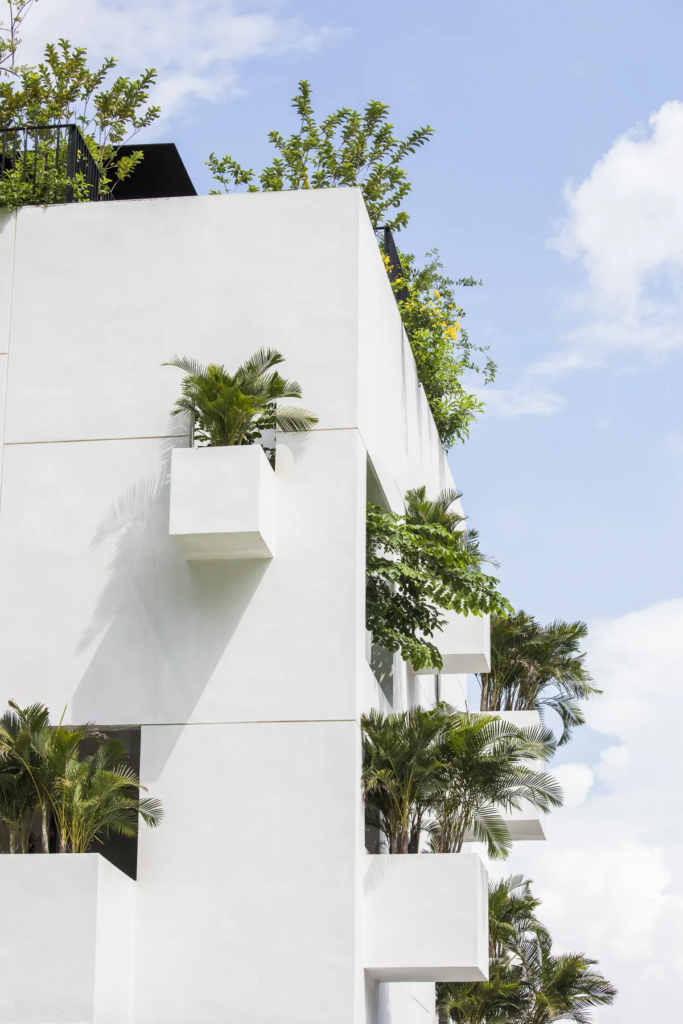
Vegetation bulges from the balconies and rooftops of Sky House, a home in Ho Chi Minh City completed in December 2019. The plot was spacious enough to accommodate a large townhouse, but instead of creating unrequired rooms, MIA Design Studio designated half the house to light, wind, water and trees. The result is a generous sky well that feeds light to the habitable rooms and chambers with no practical purpose but to house plants, trees, and indoor ponds.
Chicland, by Vo Trong Nghia
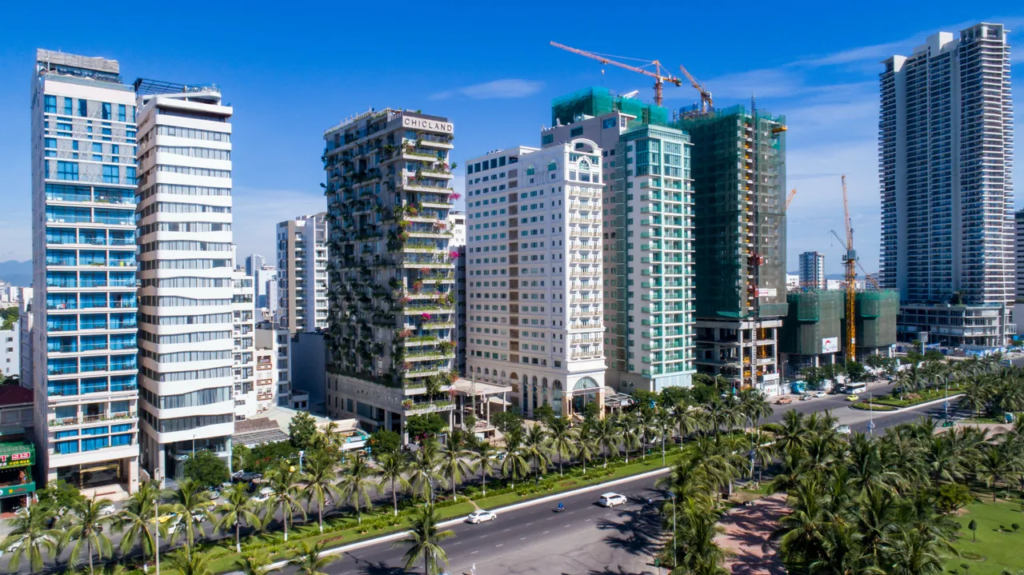
Award-winning architect Vo Trong Nghia is celebrated for his use of natural materials and foliage, such as bamboo and tropical plants. The 21-floor Chicland Hotel, completed in June 2019 in the modern seaside city of Danang, features both. The on-site café has earthy bamboo interiors while the balconies overflow with greenery. Similarly biophilic, Vo Trong Nghia’s Silver Cloud, slated for completion later this year, is a leafy long-stay hotel that blends with the lakes and mountains of Cuc Phuong National Park, 100km south of Hanoi.
Brick Cave, by Doan Thanh Ha
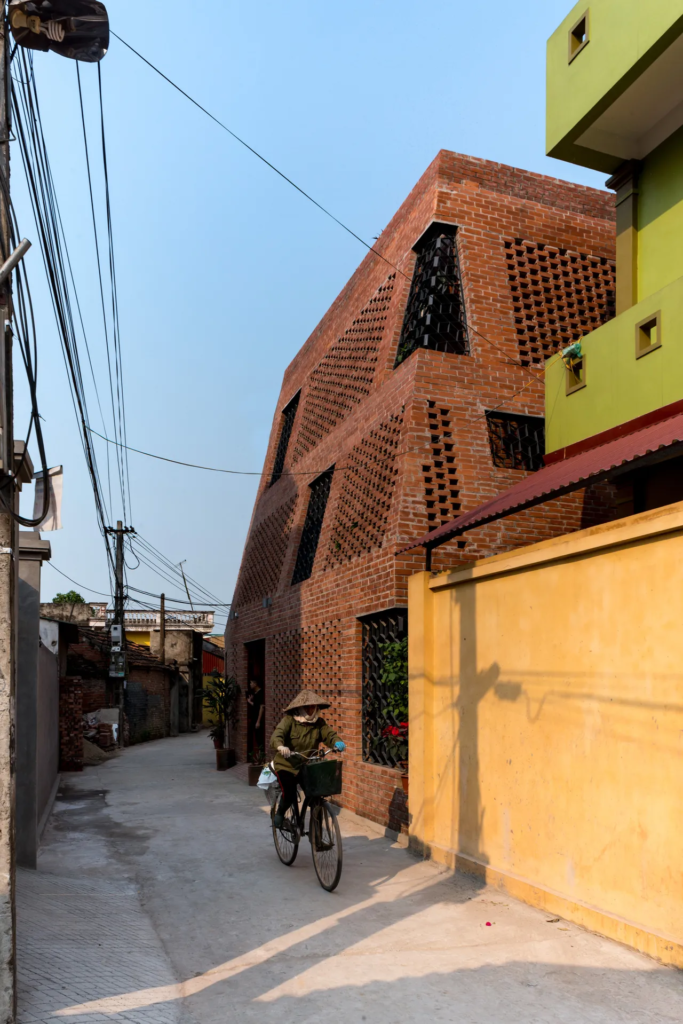
In Vietnam, bricks have been used for at least a millennium. Doan Thanh Ha, who recently won the Turgut Cansever International Award, constructed the Brick Cave in the suburbs of Hanoi with an additional exterior wall to form a narrow atrium around the house. This perforated exterior casing with large windows invites natural light into the family home while keeping it cool during Hanoi’s scorching summers. The rooftop features a vegetable garden.
Central Park, by LAVA and ASPECT Studio
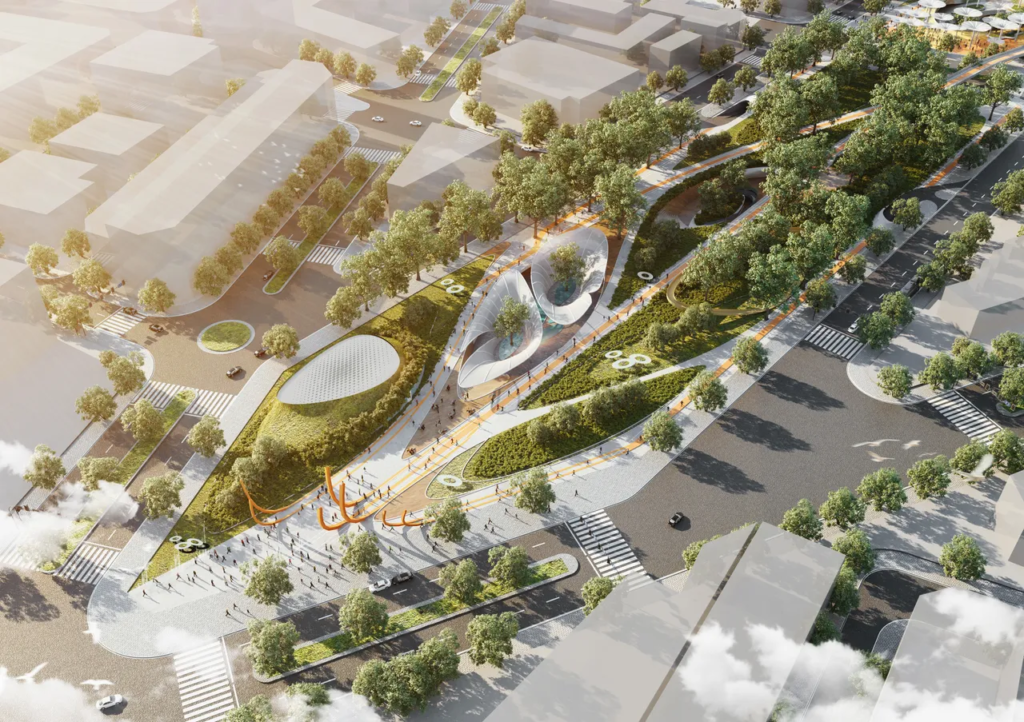
LAVA and ASPECT Studio won the commission to revamp Ho Chi Minh City’s September 23 Park, one of the city centre’s largest green spaces. As well as outdoor art galleries, performance pavilions and sport zones, LAVA and ASPECT Studio are deploying smart city artificial trees. Water purification trees collect and recycle rainwater, ventilation trees provide fresh air and solar trees generate power. Construction is scheduled to begin later in 2020.
VAC Library, by Farming Architects
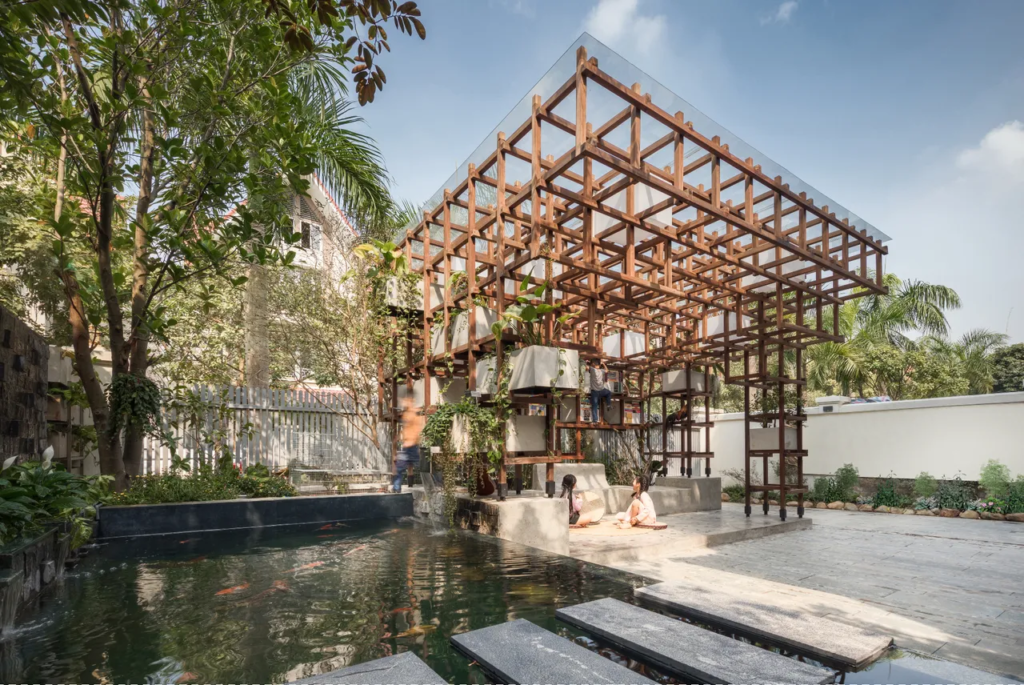
While large-scale ventures are making a bold impact, smaller innovations are surfacing more quietly. In Hanoi, VAC Library by Farming Architects (Pictured above) is both climbing frame and reading room set within a three-dimensional grid fashioned from wooden beams. Other small projects of great promise include the Chieng Yen Community House in Son La Province by 1+1>2 Architects, which has a semi-cylindrical thatch roof supported by a bamboo frame. In Danang, architecture studio Tropical Space used brick to construct Cuckoo House, a family home perched above a café.
Empire City, by Ole Scheeren
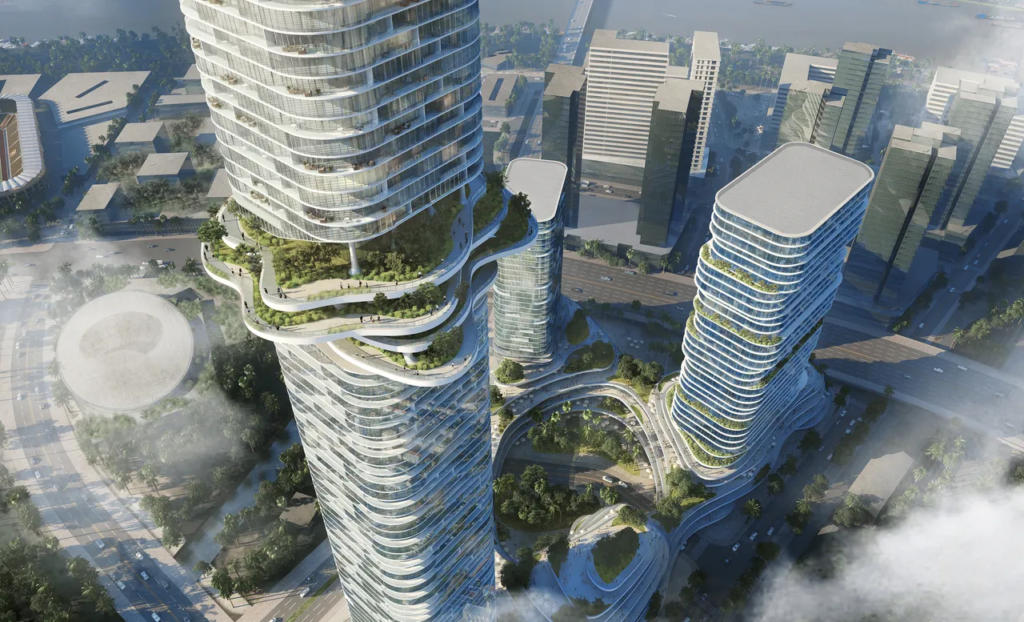
As Vietnam’s commercial capital, Ho Chi Minh City is entertaining many of the country’s most ambitious projects. With Empire City, Ole Scheeren explores how ‘nature can become an iconic element of architecture’ with a complex of three towers overlooking the Saigon River. At the building’s base, layered platforms evoke the swirling rice terraces of northern Vietnam. Over halfway up Empire Tower 88, the tallest of the three skyscrapers at 333 metres, sits the Sky Forest with verdant water gardens that echo the country’s jungles. Construction is expected to start in early 2021.
Next project | Sóng

Vinhho, Acrylic on canvas, 252x92cm, Maison de Corail reserved, 2025
Những con sóng nối tiếp nhau trườn trên bãi cát vẽ nên những đường cong tự do phơi mình dưới ánh mặt trời.
Sóng muôn hình vạn tướng: thấp cao, nghiêng ngã, cong tròn, méo lệch, yếu mạnh hợp quần tạo nên sắc khí của đại dương.
Cái thể tính bất phân ly tạo nên tính cách riêng biệt của sóng chính là sự tràn đầy. Năng lượng tích tụ vượt lên trăn trở bộn bề, trải qua một cuộc trường chinh đầy gian khó, nay đã gặp bờ để thổ lộ niềm kiêu hãnh.
Ấy vậy mà hình trạng của sóng chợt tan biến, ẩn khuất trong lớp lớp tạo tác liên tục của sự va đập không ngừng nghỉ.
Trong chiều quay biến thiên của sự tồn tại, mọi hình hài đều trở nên mong manh trước sự biến đổi của chính nó.
Kiến trúc sư Hồ Viết Vinh.01122025
Next project | Vietnam Traditional Architecture & Art
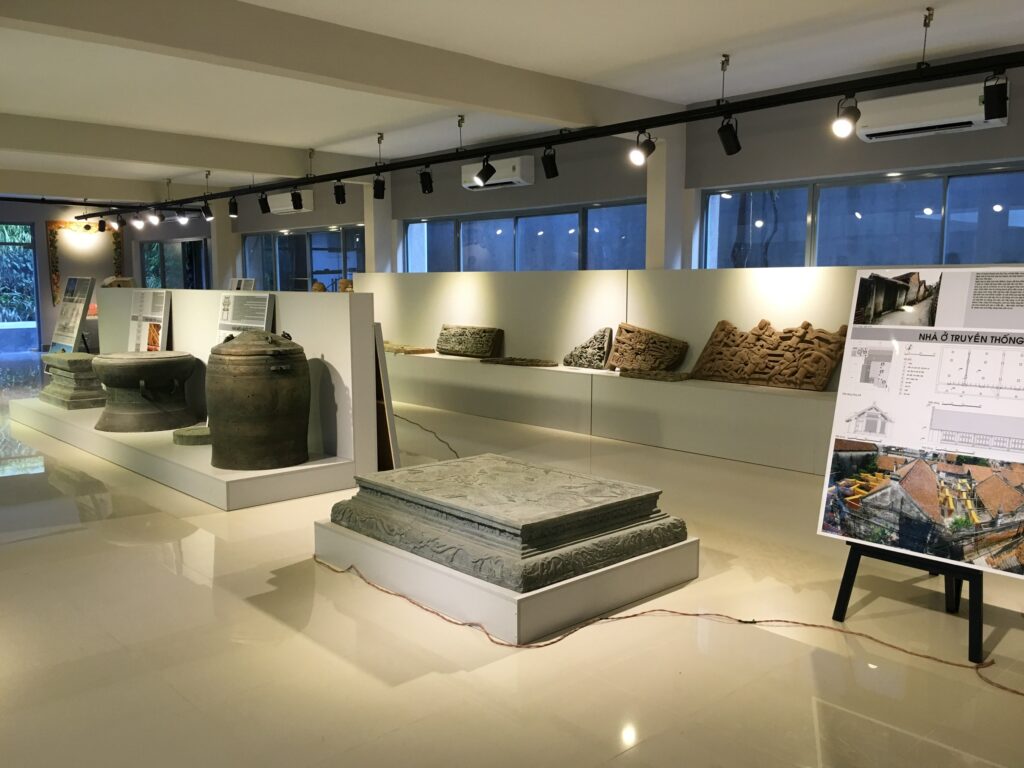
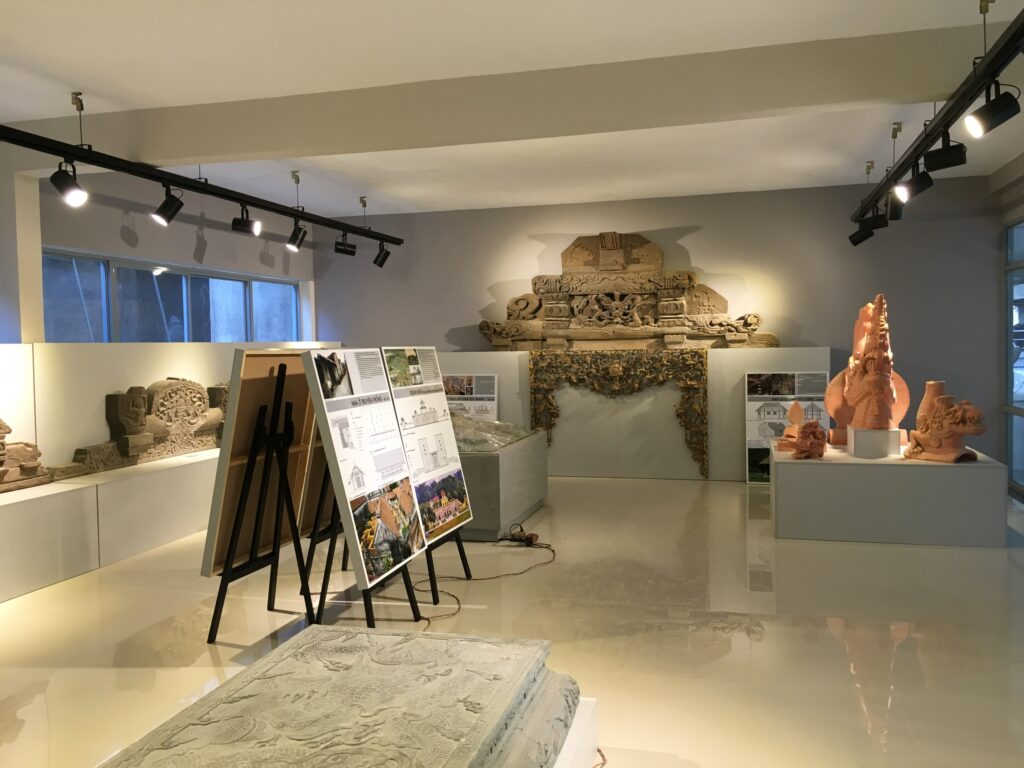
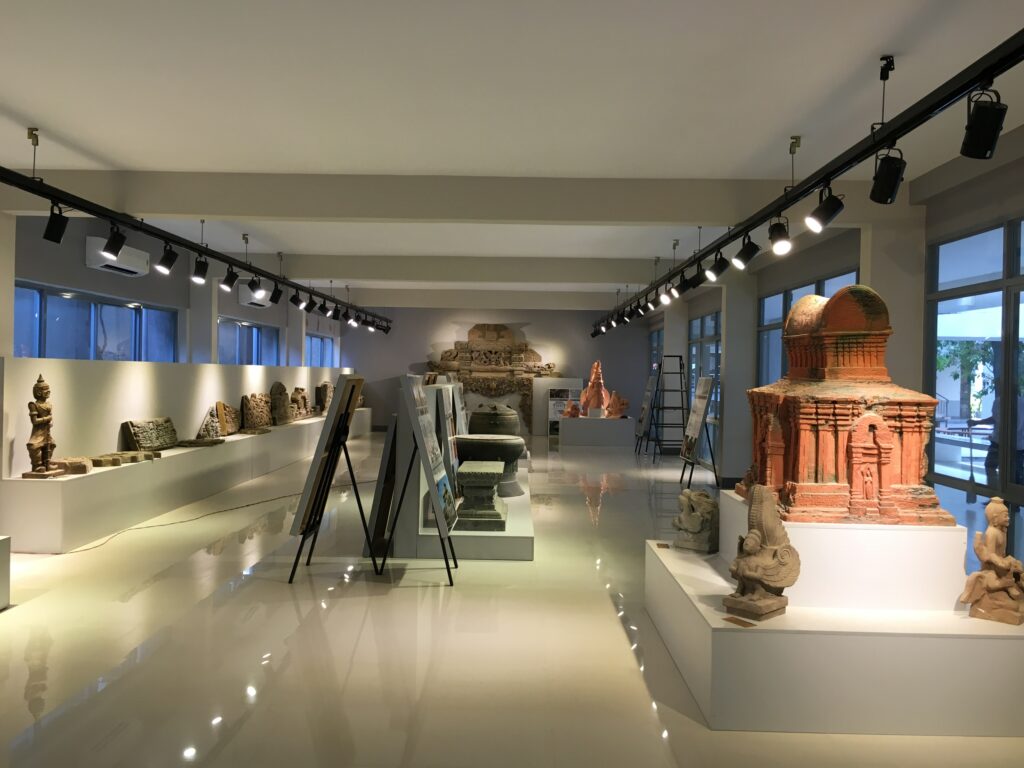
The Vietnam Traditional Architecture and Art Gallery features buildings representing the three regions of Vietnam: Hanoi, Hue, and Saigon. Selected works showcase the quintessential artistic values of Dai Viet culture (Northern region), Champa culture (Central region), and Oc Eo culture (Southern region).
Architectural types include communal houses, temples, pagodas, palaces, tomb houses, and traditional homes, crafted from materials such as wood, stone, and terracotta. In addition to architectural works, the gallery space also exhibits wood carvings, stone sculptures, and intricate decorative details.
Type
Art gallery
Year
2015
Location
University of Architecture of Ho Chi Minh City
Team
Ho Viet Vinh
Mai Que Vu
Next project | Vinhho Art Studio
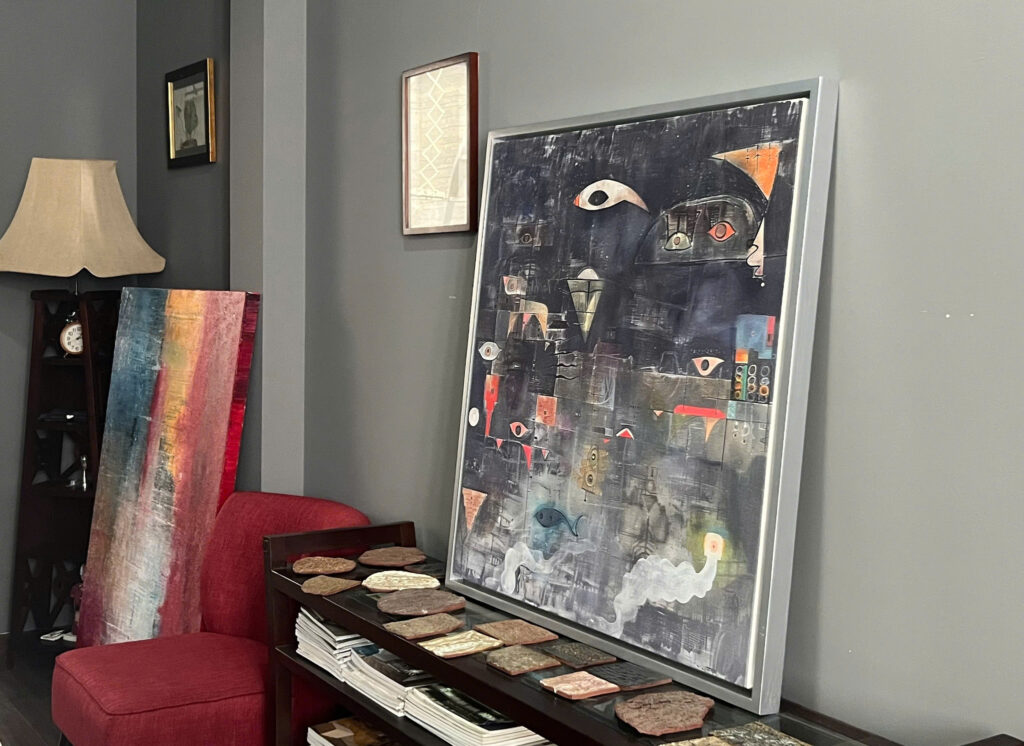
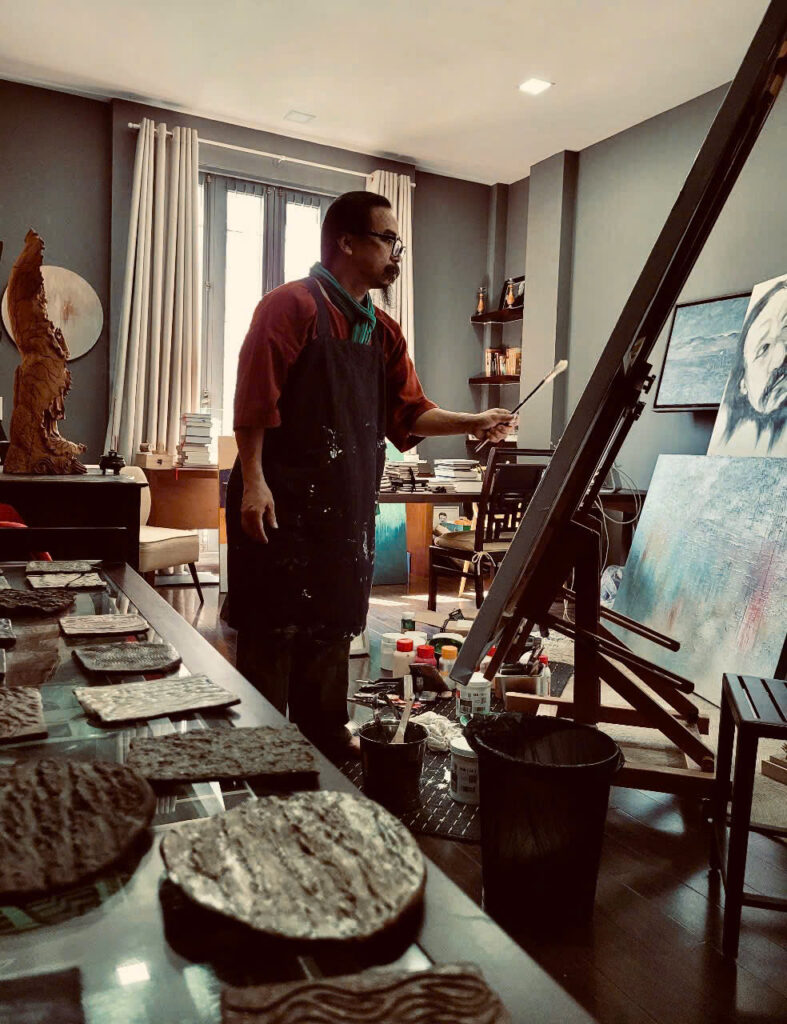
In the bustling urban rhythm of Phan Xich Long’s vibrant food street, Vinhho Art Studio, the sanctuary of self training – painter Ho Viet Vinh, nestles quietly in a small alley typical of Saigon. The surrounding air hums with the everyday sounds of urban life and the rich aromas of street food delicacies.
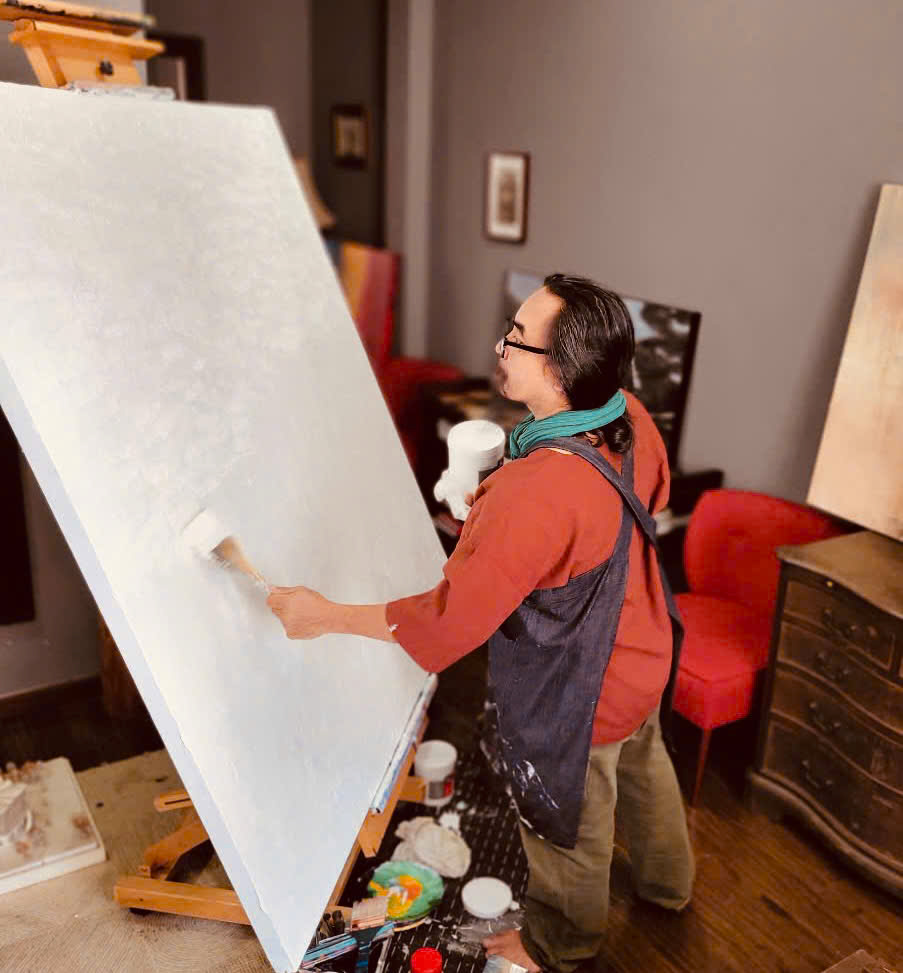
Inside the compact studio where the artist crafts his paintings, everything appears orderly. The space is adorned with a variety of experimental works, each reflecting his diverse artistic journey. At the center of the room stands an old, slightly tilted wooden easel, holding an unfinished painting. The bold and uninhibited strokes on the canvas mirror the essence of the artist himself.
For those fortunate enough to explore the evolution of Vinhho’s artistry from his earliest days, each painting tells a distinct story, conveying profound messages about life, humanity, and especially nature. Through his brushstrokes, Ho Viet Vinh channels the most authentic emotions, inviting viewers to share in his perspective.
While the city outside thrums with its noisy, dynamic energy, this small studio offers a serene haven – a private world where Ho Viet Vinh and his collaborators dedicate themselves to crafting works of art that contribute to celebrating the breathtaking beauty and wonder of Vietnam.
Next project | Self-portrait
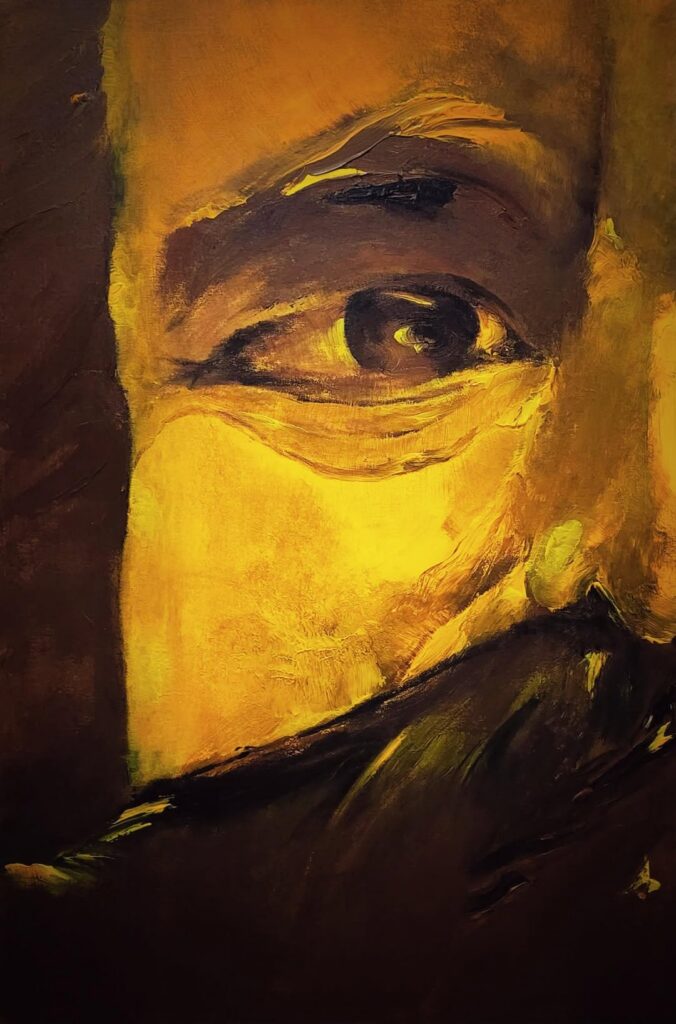
Self portrait
Vinhho
Acrylic on canvas
80x120cm
Maison d’Art
2025
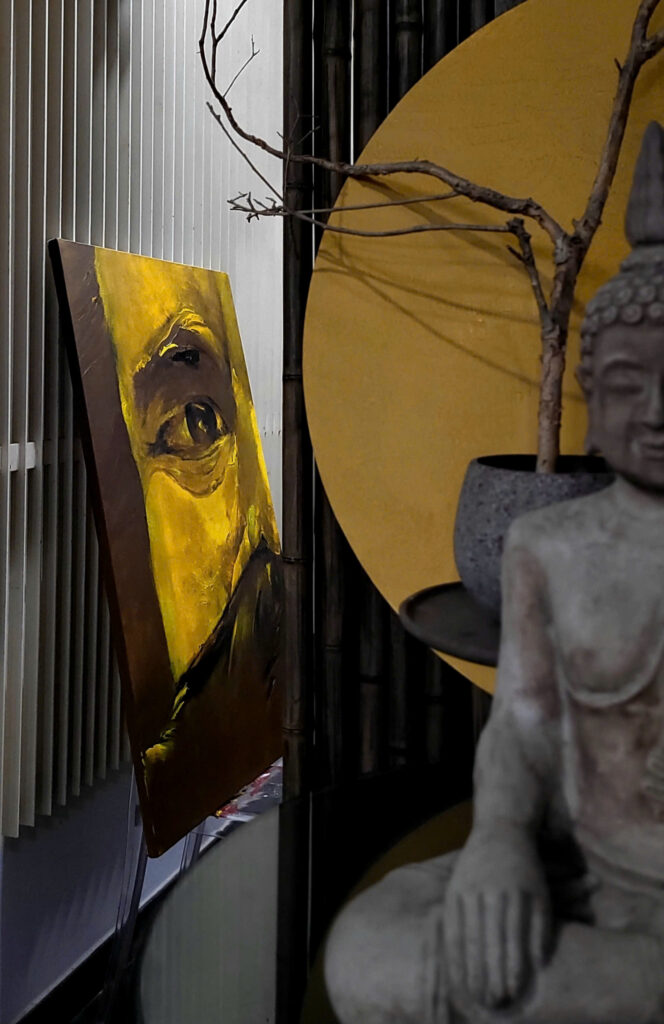
Next project | Danh hoạ Hồ Hữu Thủ
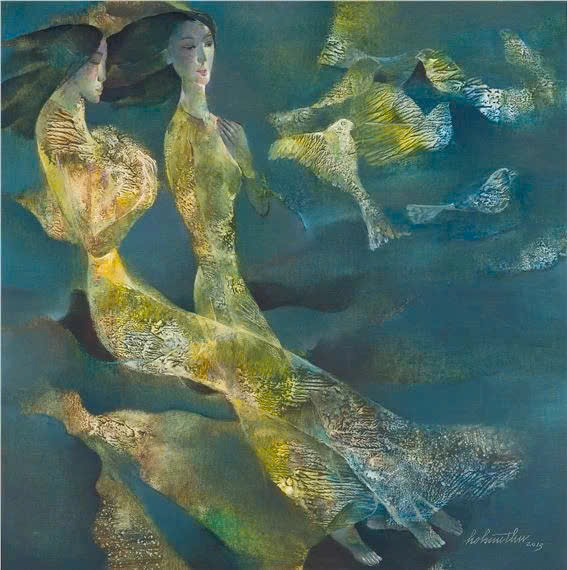
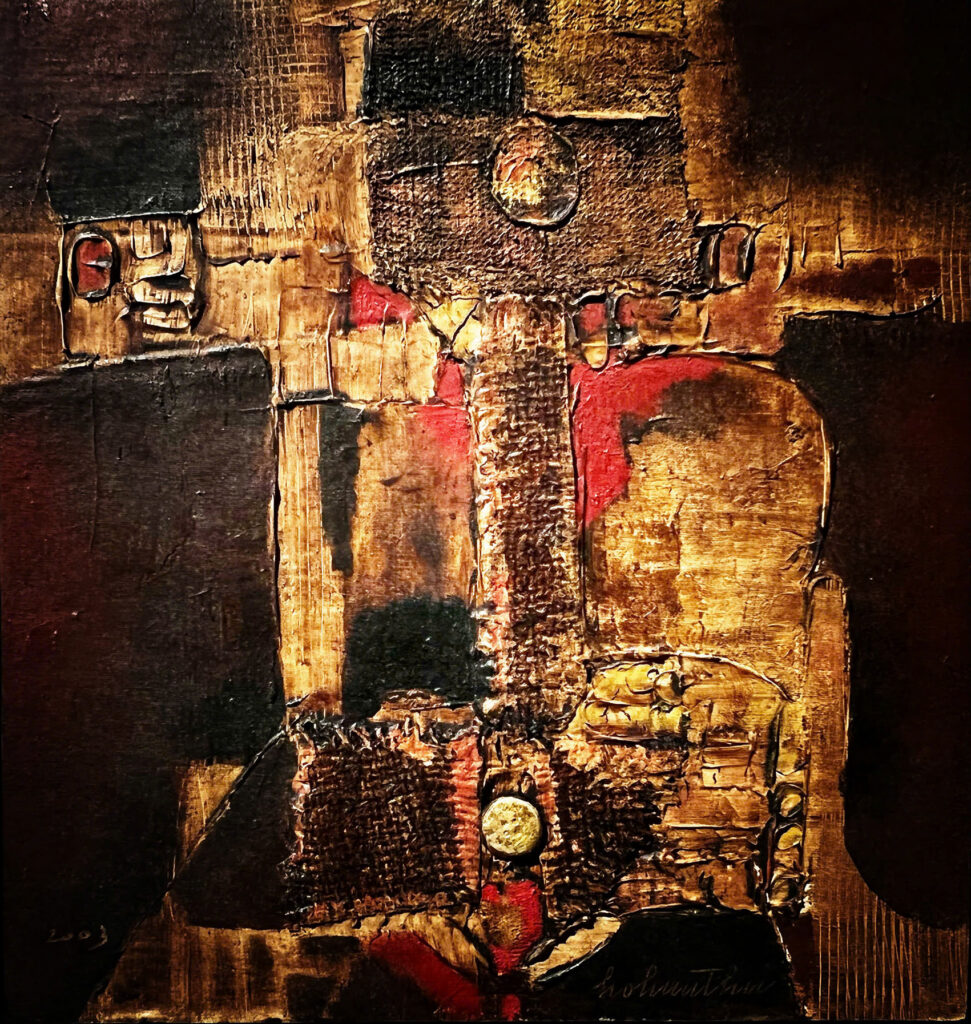
Cơ duyên cho Tôi gặp và hóng chuyện với danh hoạ Hồ Hữu Thủ: là một trong những tên tuổi hàng đầu của nền mỹ thuật Việt Nam.
Thế giới nghệ thuật của ông là sự kết hợp độc đáo giữa các hình tượng quen thuộc: thiếu nữ – hoa sen – mảnh trăng. Những hình ảnh này không đơn thuần là miêu tả hiện thực, mà đã được chọn lọc và biến thành những biểu tượng mang vẻ đẹp tinh khiết, hồn nhiên trong một không gian vừa thực vừa siêu thực.
Ghé thăm triển lãm “Hội hoạ trừu tượng Cha và Con” tại TAA Gallery, Tôi như được gặp lại phong thái nho nhã pha lẫn minh triết nơi Ông.