Next project | DANCE of LIGHT
The “Dance of light” stirring a feeling of motion and vitality. This interplay between brilliance and obscurity crafts an enigmatic allure, coaxing the observer to explore the depths of light.
Ho Viet Vinh
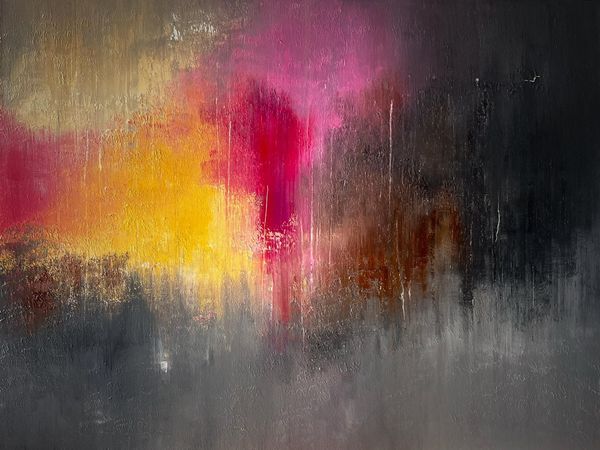
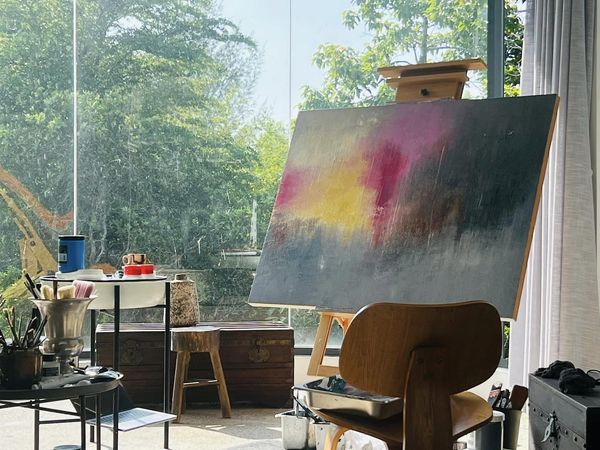
(Vinhho, Acrylic on canvas, 130x97cm, Maison de Corail.2024)
Next project | s t i l l n e s s
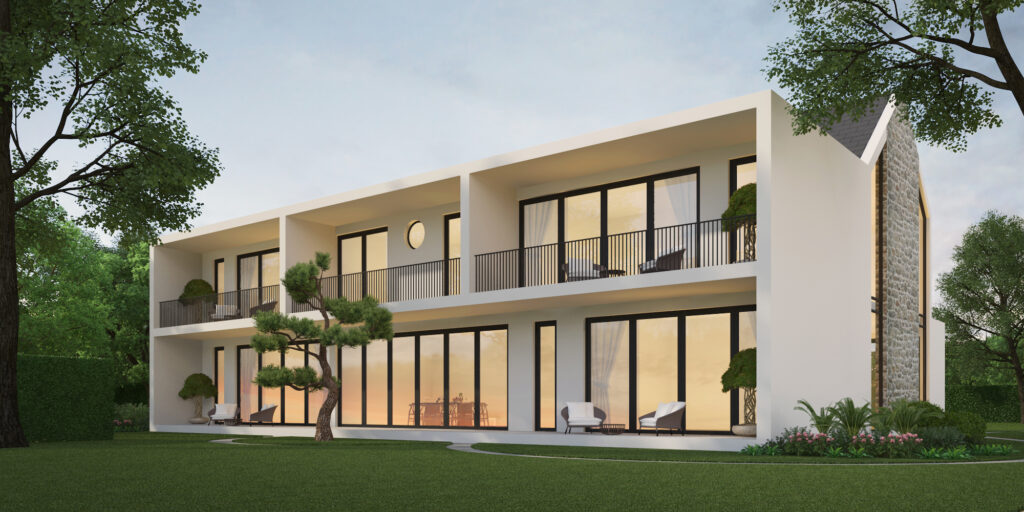
“If you don’t know how to relax in the pure land,
Thay Thich Nhat Hanh
A life will pass without ever touching happiness.”
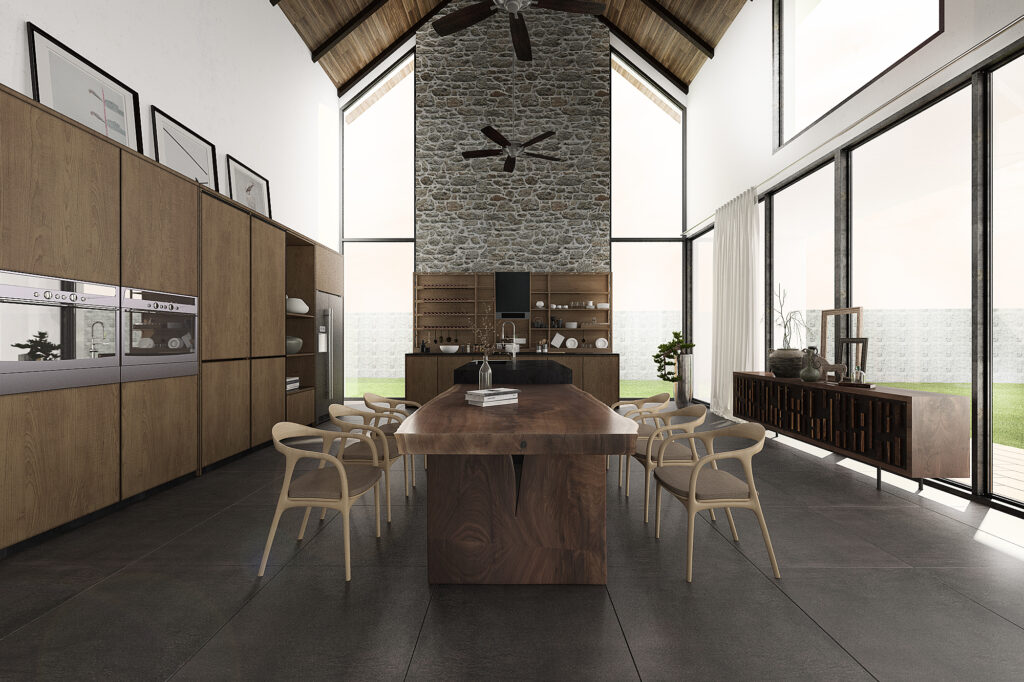
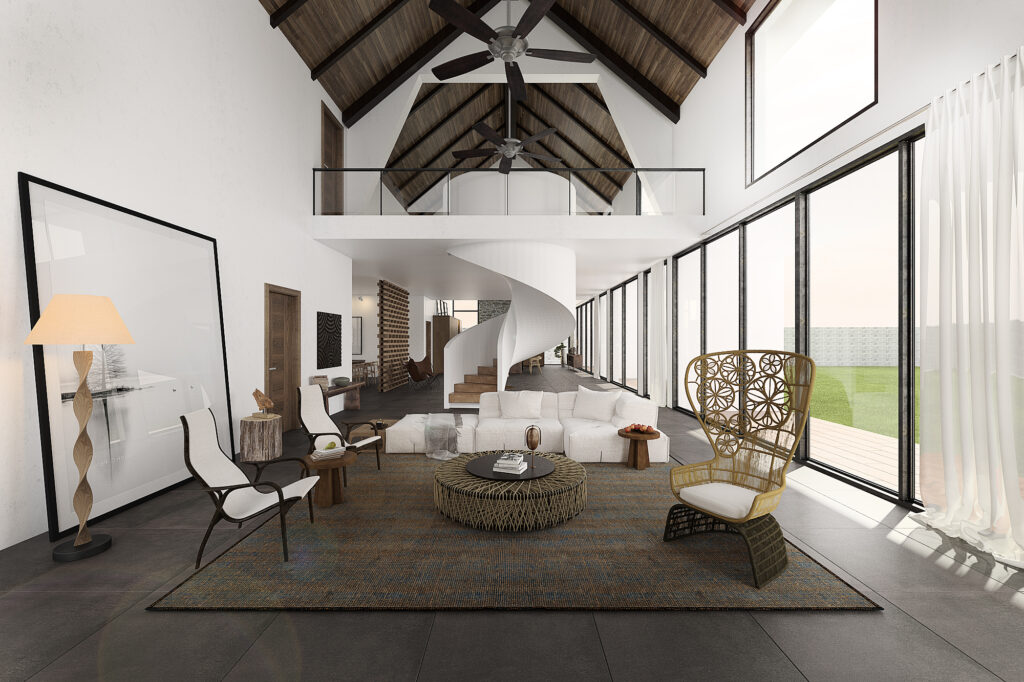
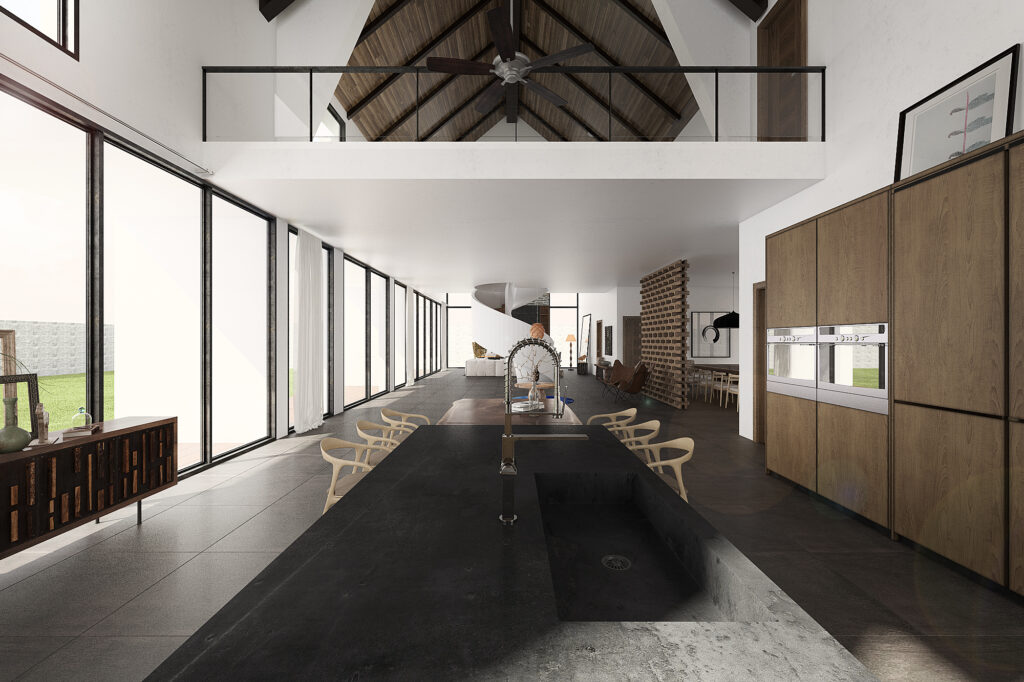
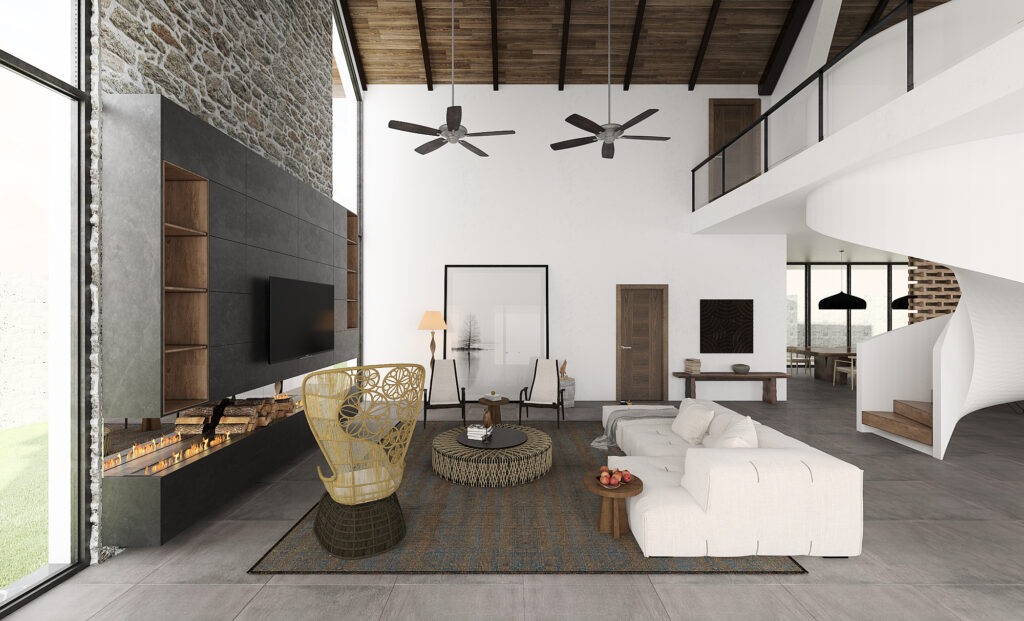
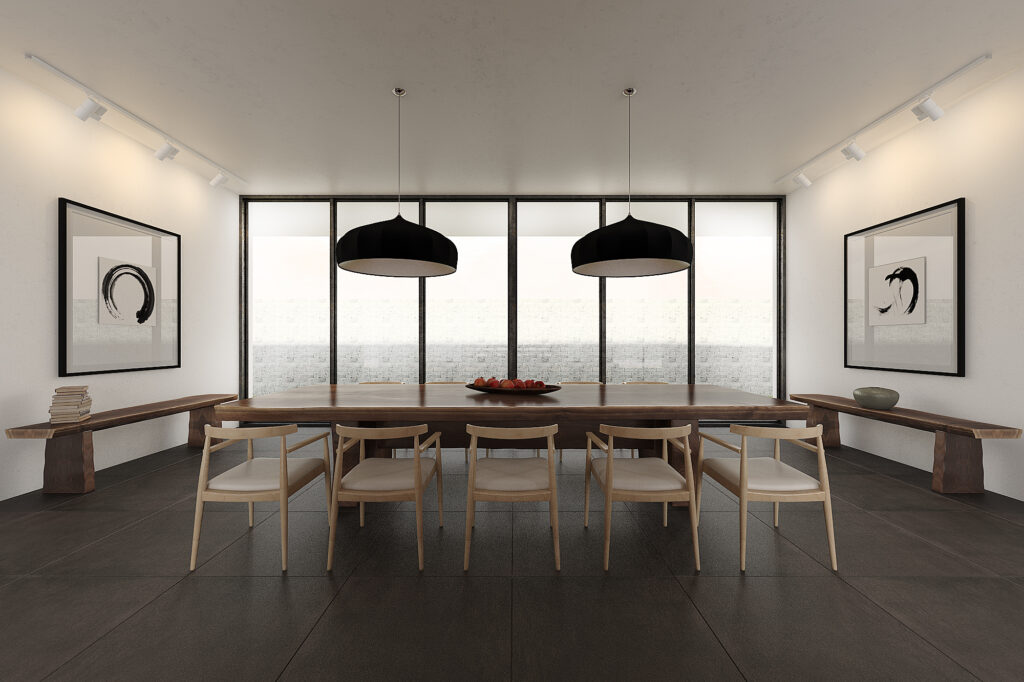
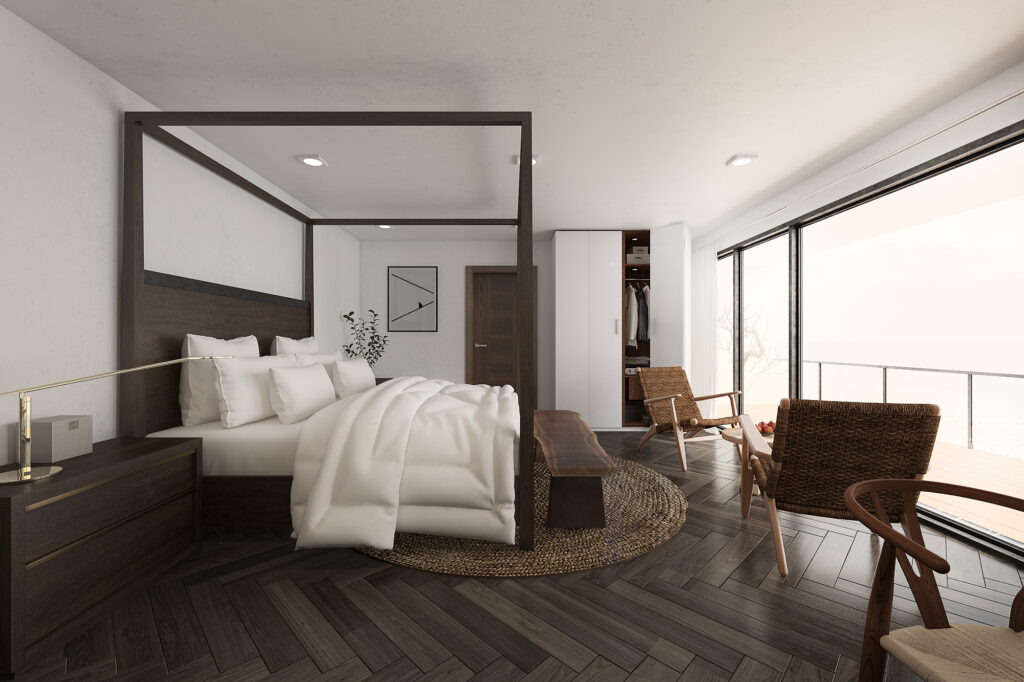
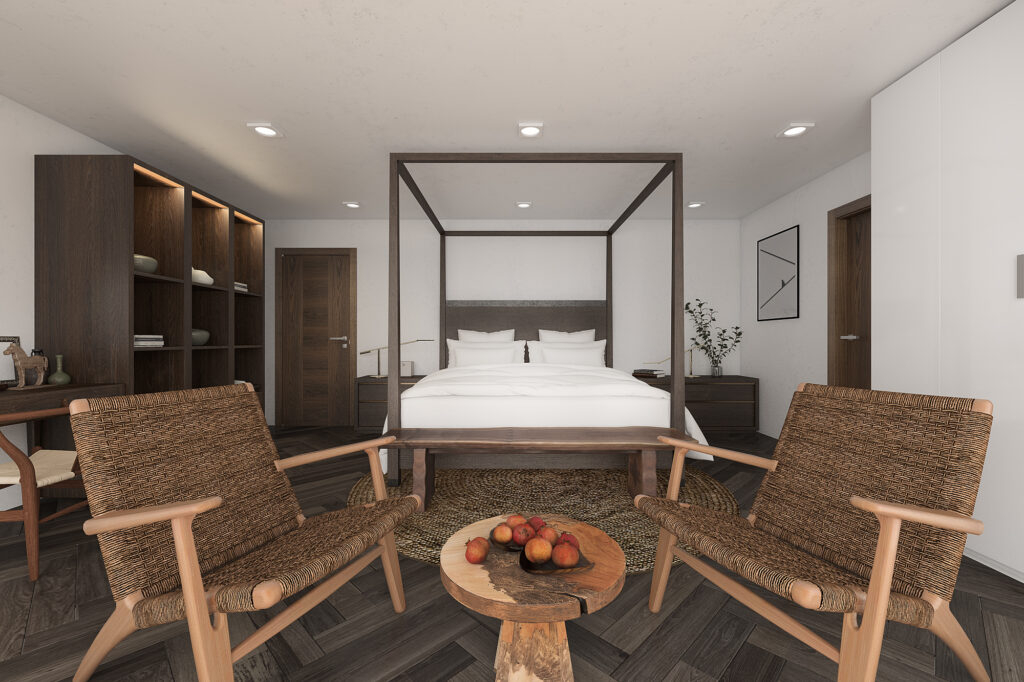
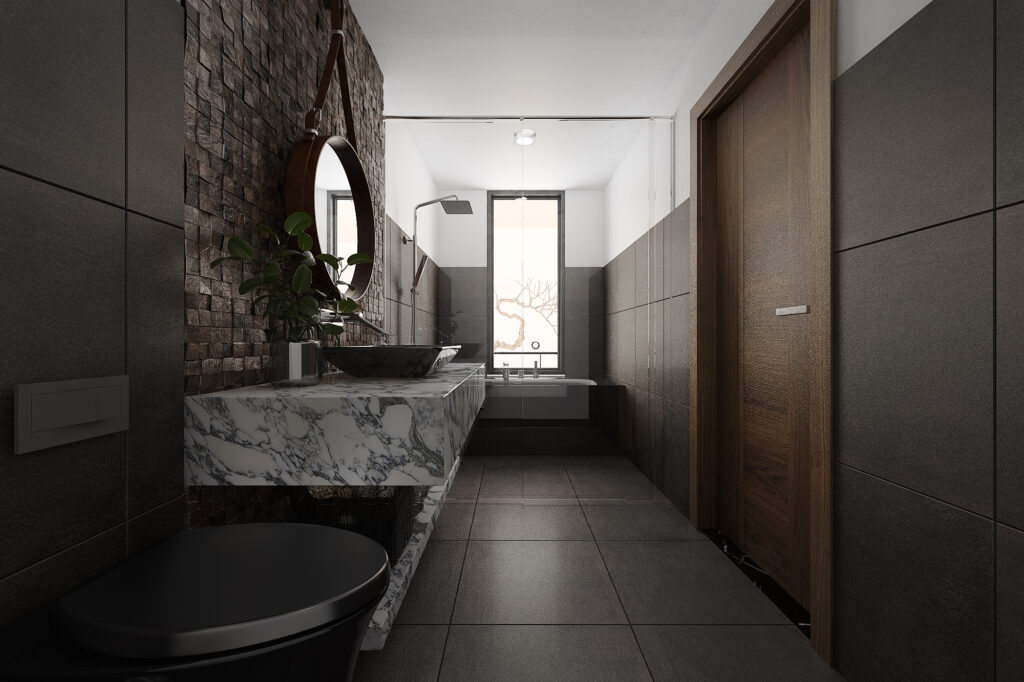
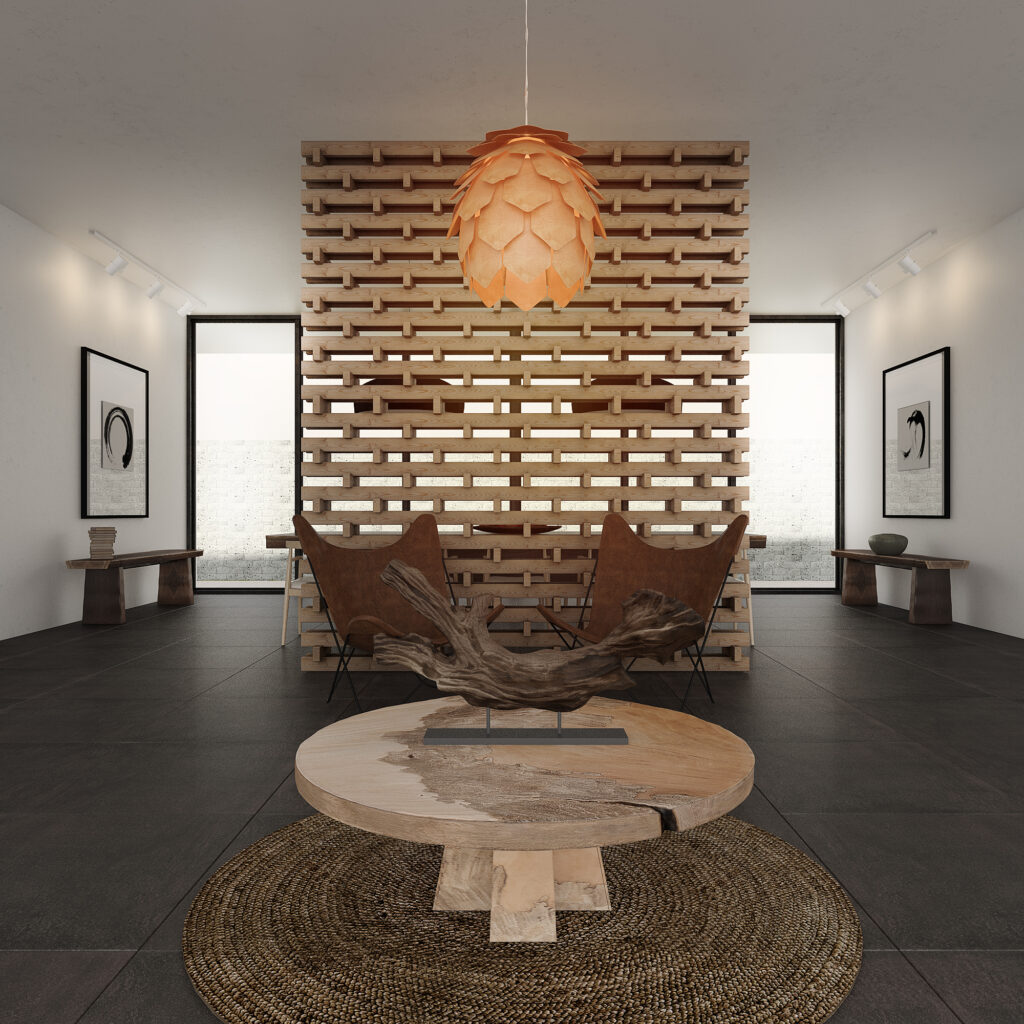
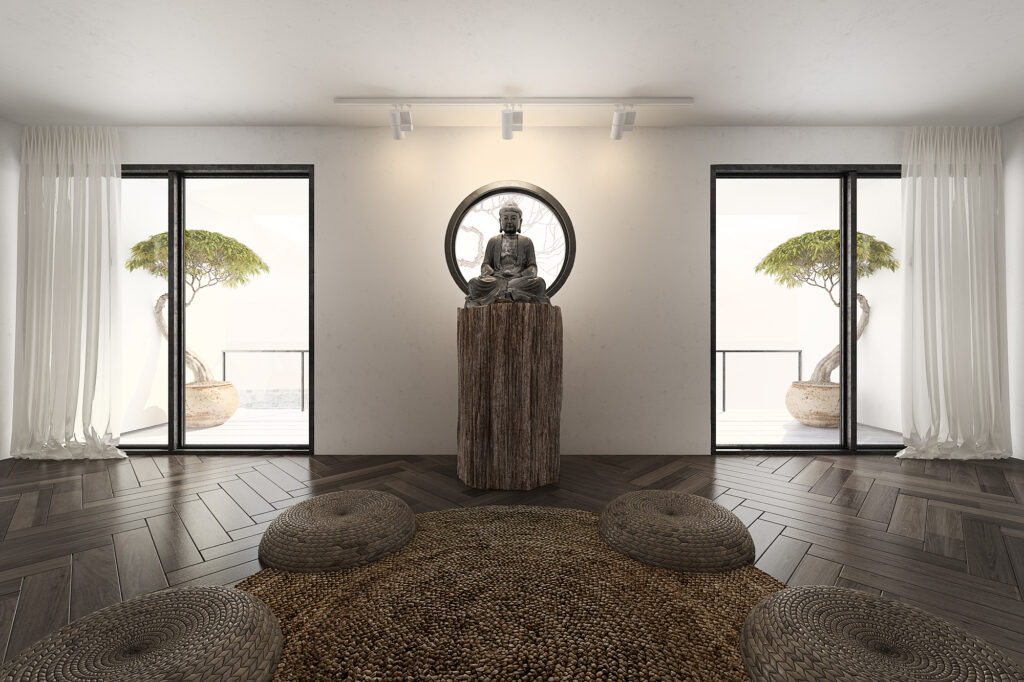
The Zen garden embodies the breath of nature, nestled in a coniferous forest that greets the morning sun and immerses itself in the cool embrace of the beach. Here, people move freely in an open space, unbound by positions or frames of reference.
Movement transcends traditional notions of inside and outside, high and low, creating a seamless unity between heaven and earth, plants, flowers, and people. Each step taken resonates with the essence of the pure land, harmonizing all into a single breath of serenity.
Type
Architecture design, Interior design
Year
2019
Location
Ho Tram, Vietnam
Team
Ho Viet Vinh, Tran Thanh Hai, Tran Thi Thu Ha
Collaborator
Quang Nhat Furniture, RitaVo Company, KOHLER
Next project | Vietnam’s new biophilic architecture is going wild
Picture architecture in Vietnam and you might imagine ancient temples buried down countryside lanes or faded colonial buildings lining the city streets. But spurred by unprecedented economic growth, this Southeast Asian country of almost 100 million is revamping its traditional image – and architecture is part of the overhaul. After decades spent trying to keep Vietnam’s unrelenting jungles out of the cities, visionary architects now harness the wilderness to enhance their urban creations. And the countryside is no longer designated for relics of the past – but also innovations for the future. From contemporary art hubs hiding in the hills to city tower blocks blooming with foliage, here is the architecture that is making its mark on Vietnam.
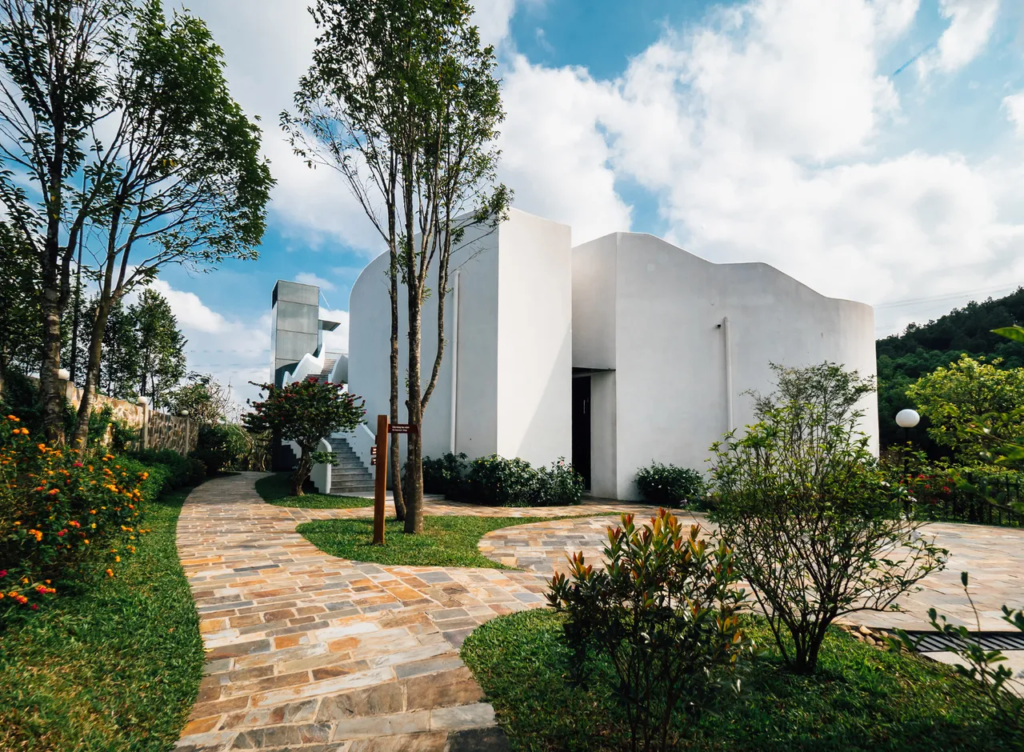
Lebadang Memory Space, by Architect Ho Viet Vinh
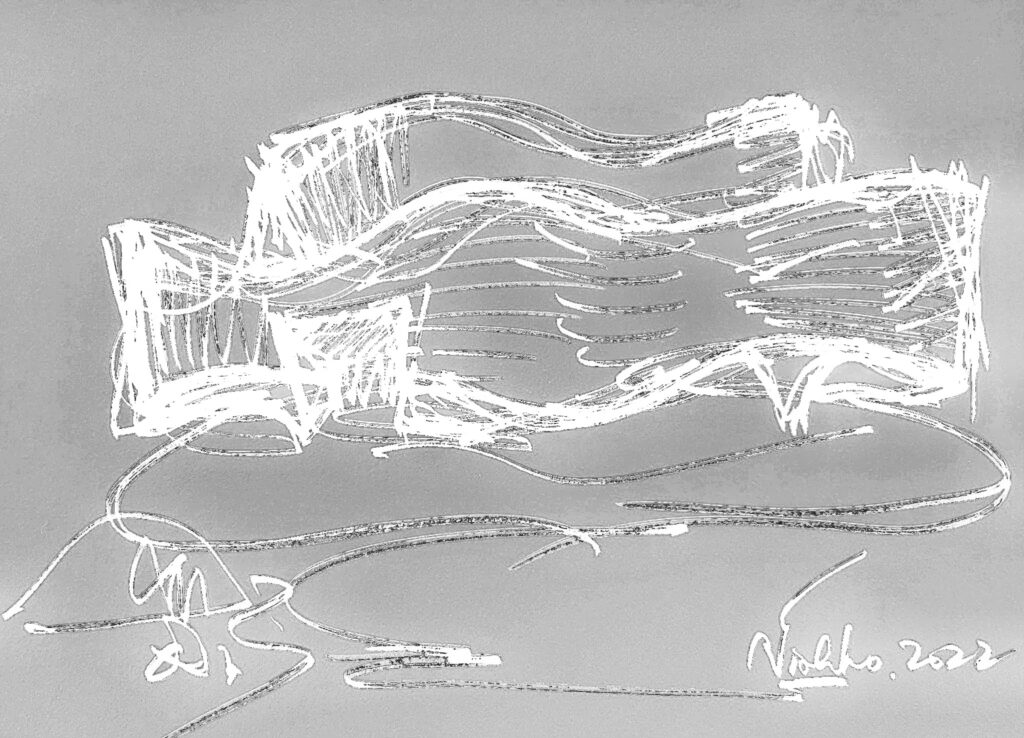
Nestled in the countryside together with Hue’s centuries-old royal tombs, Lebadang Memory Space is a lively architectural update to the city’s monarchical heritage. This contemporary art museum is dedicated to late local artist Le Ba Dang, who sketched the drawing that the blueprints are based on. Local architect Ho Viet Vinh designed the structure, completed in April 2019, with a central skylight that allows beams of light to track through the exhibition hall throughout the day.
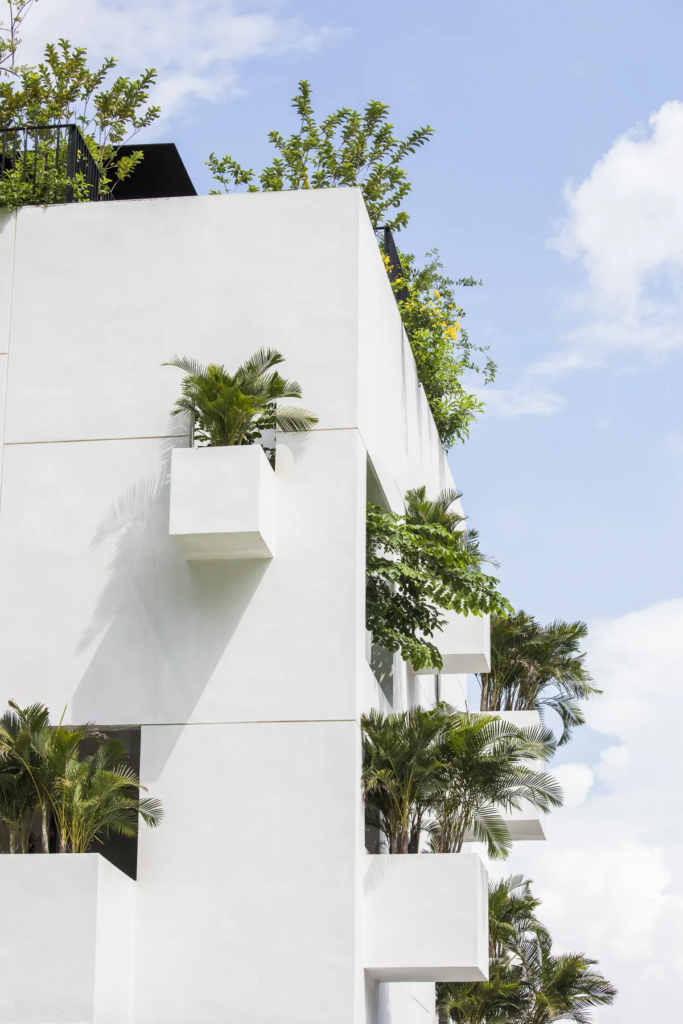
Sky House by MIA Design Studio
Vegetation bulges from the balconies and rooftops of Sky House, a home in Ho Chi Minh City completed in December 2019. The plot was spacious enough to accommodate a large townhouse, but instead of creating unrequired rooms, MIA Design Studio designated half the house to light, wind, water and trees. The result is a generous sky well that feeds light to the habitable rooms and chambers with no practical purpose but to house plants, trees, and indoor ponds.
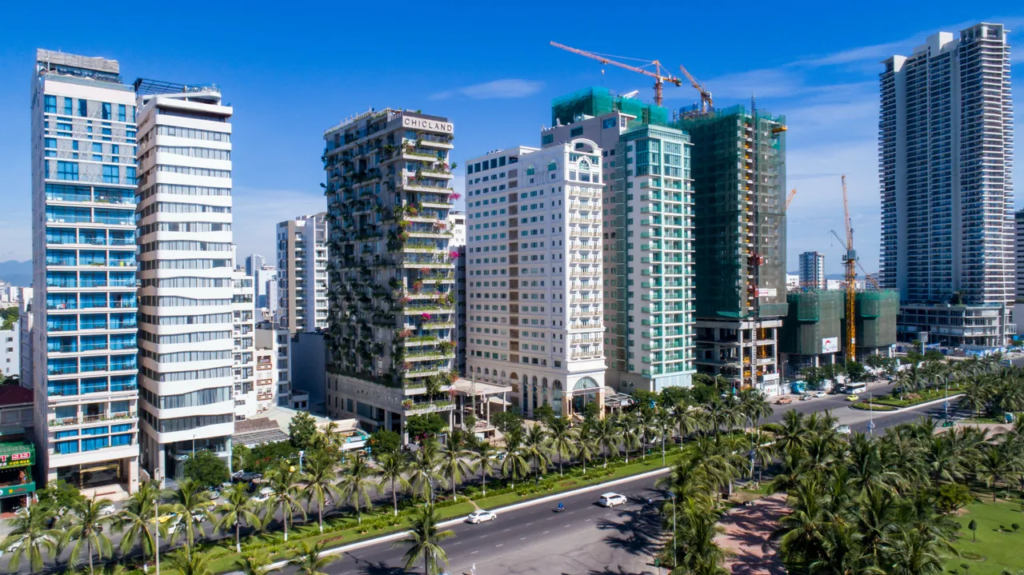
Chicland, by Vo Trong Nghia
Award-winning architect Vo Trong Nghia is celebrated for his use of natural materials and foliage, such as bamboo and tropical plants. The 21-floor Chicland Hotel, completed in June 2019 in the modern seaside city of Danang, features both. The on-site café has earthy bamboo interiors while the balconies overflow with greenery. Similarly biophilic, Vo Trong Nghia’s Silver Cloud, slated for completion later this year, is a leafy long-stay hotel that blends with the lakes and mountains of Cuc Phuong National Park, 100km south of Hanoi.
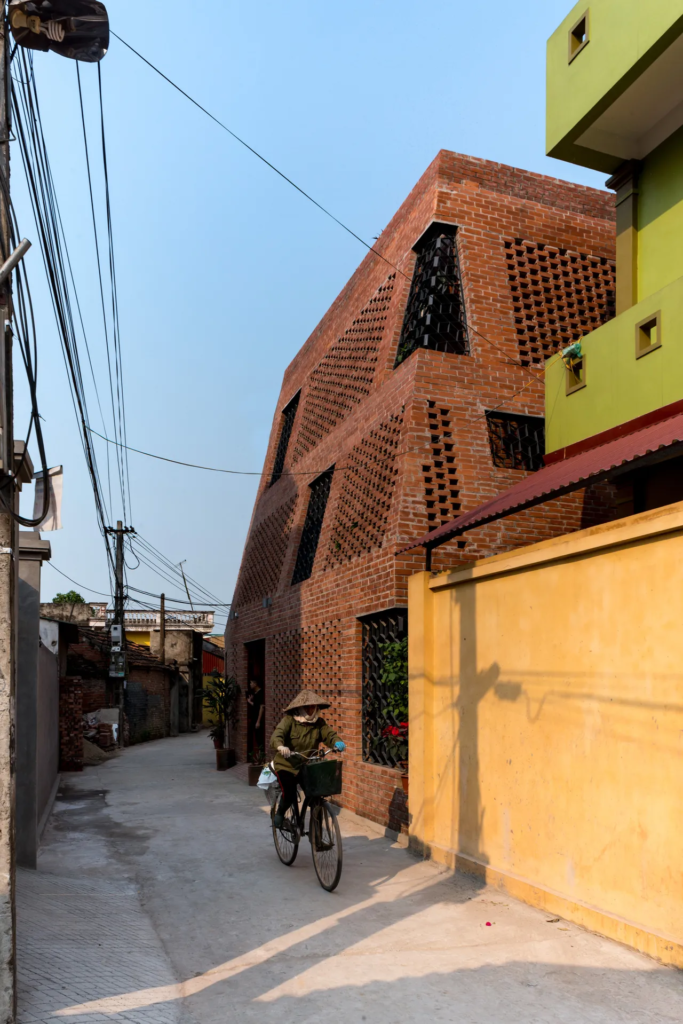
Brick Cave, by Doan Thanh Ha
In Vietnam, bricks have been used for at least a millennium. Doan Thanh Ha, who recently won the Turgut Cansever International Award, constructed the Brick Cave in the suburbs of Hanoi with an additional exterior wall to form a narrow atrium around the house. This perforated exterior casing with large windows invites natural light into the family home while keeping it cool during Hanoi’s scorching summers. The rooftop features a vegetable garden.
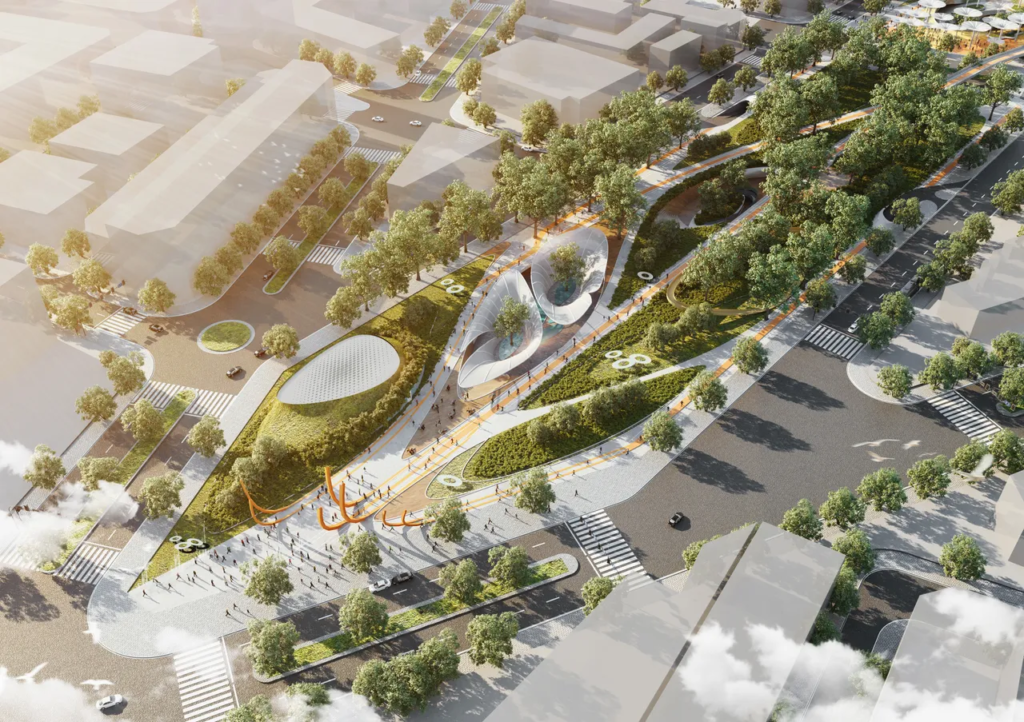
Central Park, by LAVA and ASPECT Studio
LAVA and ASPECT Studio won the commission to revamp Ho Chi Minh City’s September 23 Park, one of the city centre’s largest green spaces. As well as outdoor art galleries, performance pavilions and sport zones, LAVA and ASPECT Studio are deploying smart city artificial trees. Water purification trees collect and recycle rainwater, ventilation trees provide fresh air and solar trees generate power. Construction is scheduled to begin later in 2020.
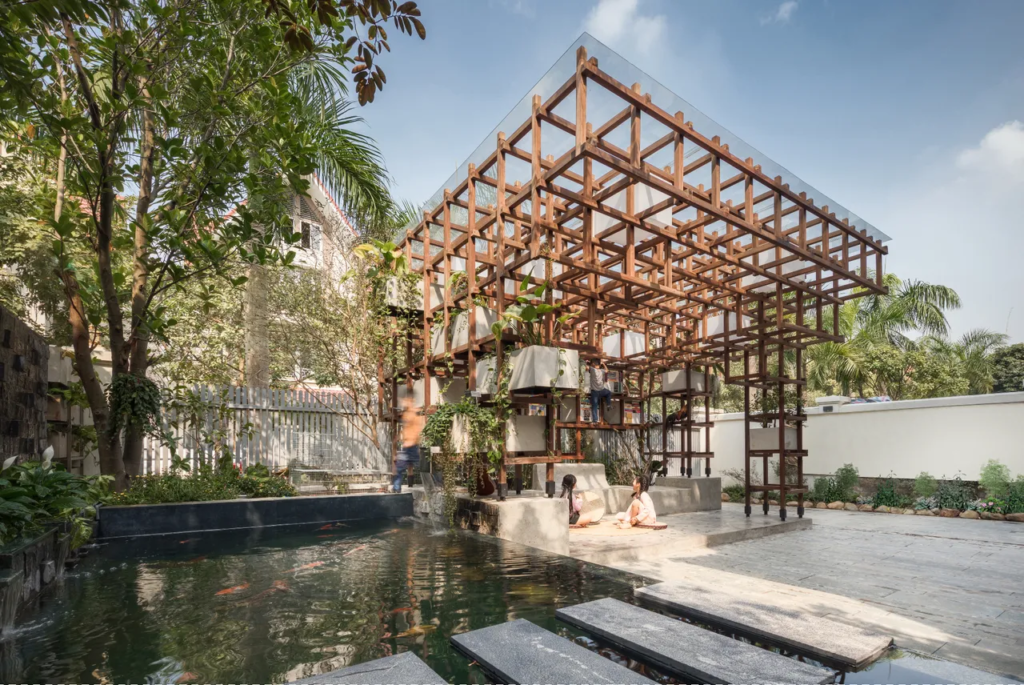
VAC Library, by Farming Architects
While large-scale ventures are making a bold impact, smaller innovations are surfacing more quietly. In Hanoi, VAC Library by Farming Architects (Pictured above) is both climbing frame and reading room set within a three-dimensional grid fashioned from wooden beams. Other small projects of great promise include the Chieng Yen Community House in Son La Province by 1+1>2 Architects, which has a semi-cylindrical thatch roof supported by a bamboo frame. In Danang, architecture studio Tropical Space used brick to construct Cuckoo House, a family home perched above a café.
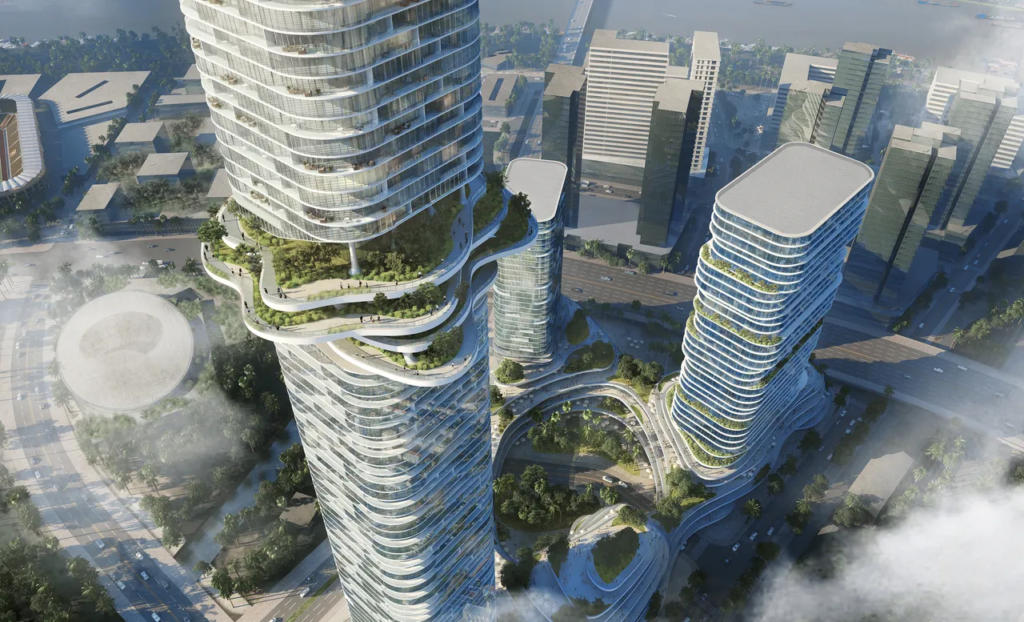
Empire City, by Ole Scheeren
As Vietnam’s commercial capital, Ho Chi Minh City is entertaining many of the country’s most ambitious projects. With Empire City, Ole Scheeren explores how ‘nature can become an iconic element of architecture’ with a complex of three towers overlooking the Saigon River. At the building’s base, layered platforms evoke the swirling rice terraces of northern Vietnam. Over halfway up Empire Tower 88, the tallest of the three skyscrapers at 333 metres, sits the Sky Forest with verdant water gardens that echo the country’s jungles. Construction is expected to start in early 2021.
Next project | The PIG House
Ancient Greek legend has it that the pig was the favorite animal of Demeter – goddess of crops and farming on earth. This was the holiest god for the Greeks. Since ancient times, people have used pigs to sacrifice this goddess. The magical transformation that turns humans into pigs appears in many myths, such as in Homer’s epic Odysseus. In this story, the crew of the hero ship was turned into pigs by the goddess Circe. Pig is one of the 12 animals that represent the 12-year cycle of Dizhi of China, Vietnam, Japan, Korea, North Korea and many other countries in Asia. It is associated with the Zodiac Pig. Those who believe in Chinese astrology have always attached pig characteristics to people born in the year of the Pig. Those born in this year are often considered lucky and have a prosperous and leisurely life. PIG House is life within and beyond the form of this animist.
Next project | Building a Smart and Modern City of Light
The program “Unlimited Connections – Building a City of Light” broadcast on HTV9 provides a comprehensive perspective on the role of lighting in shaping modern and sustainable urban areas.
The story of Saigon’s light—an essential element of life and culture—has been shaped by its tropical climate and a distinctive “nightlife” culture since the city’s earliest days. Lighting not only ensures the safety of living and working spaces but also contributes to the aesthetics and prominence of modern urban architecture. However, uncontrolled use of lighting can lead to energy waste and environmental pollution. The program emphasizes the importance of smart lighting that is appropriate, sufficient, and aesthetically pleasing while minimizing light pollution, aiming to enhance overall visual harmony with the surrounding space. Building a city of light that is exemplary, harmonious, and rich in identity is a collective effort—to make the city brighter, more beautiful, and increasingly civilized.
Urban lighting is not merely about beautification; it also fosters a sense of comfort and relaxation, drawing residents into the city’s nighttime activities, thereby making the urban environment more vibrant and dynamic.
Architect Hồ Viết Vinh
We invite you to watch the program to explore the role of lighting in building smart, modern, and sustainable cities.
Next project | MANG THIT RED CERAMIC BRICKS FESTIVAL 2024
An Article by Architect Ho Viet Vinh
(Mang Thit 16/11/2024)
Mang Thit – where brick kilns tell stories, where rivers light up Vietnam’s heritage.

A Journey of Riverside Culture and Traditional Craft
Mang Thit – more than just a name, it is the pulse of a riverside culture unique to the Mekong Delta. Inspired by the legendary Thay Cai Canal, where the nearly century-old brick and ceramic craft village flourished, the stage for the 2024 Mang Thit Brick and Ceramic Festival promises to be a creative symbol, not only preserving but also spreading the values of tradition.
1. A Floating Stage on the River – A Symbol of Harmony Between Culture and Nature
Imagine a stage designed as a living painting on water, where wooden boats adorned with shimmering lights drift gently, carrying the echoes of time and life. The main stage is not merely a place for performances but a “creative island” floating on the canal, pulsating as the heart of nature.
On the stage, the iconic imagery of traditional brick kilns will be reimagined through a blend of lighting and materials, creating a space that feels both familiar and magical. The arches of red bricks – a signature of Mang Thit – will be crafted as gateways to a journey of cultural discovery while producing dazzling reflections on the water’s surface.

2. Dynamic Living Scenes – When Riverside Life Becomes Art
Beyond being a static stage, the festival elevates its appeal with vibrant, living scenes performed directly on the river. Boats loaded with red-fired bricks, artistic ceramics, and baskets of orchard fruits will become part of the performance – telling the story of diligent, skillful locals.
The audience will not just watch but feel immersed in the flow of life during the craft village’s heyday. Cultural performances such as traditional opera, southern folk music, or ceramic dance displays will unfold on vividly decorated boats, gracefully moving across the water.
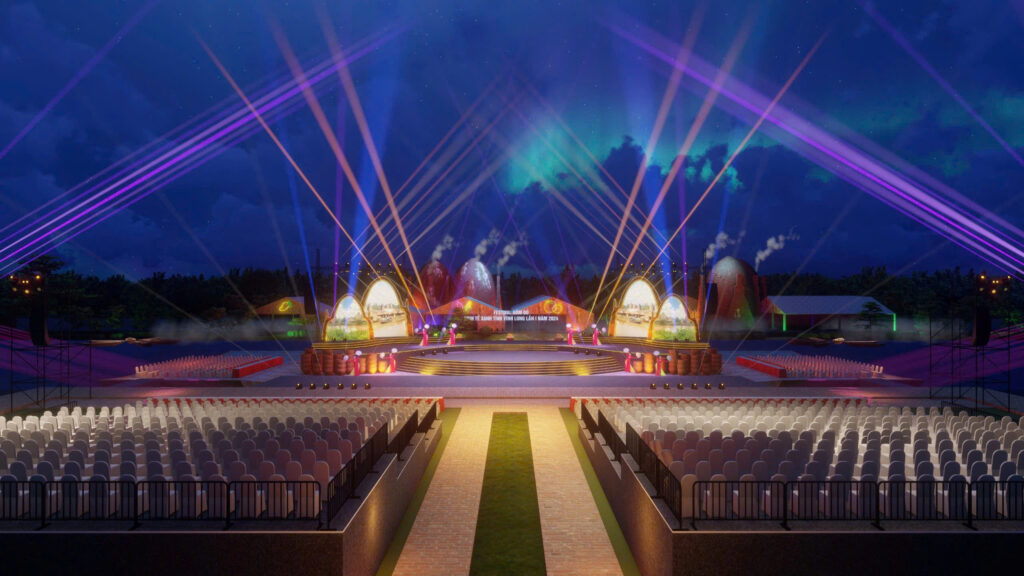
3. Lighting – A Language of Timeless Emotion
Lighting is the soul of the festival. The entire event space will be enveloped in modern artistic lighting, seamlessly blending with natural light reflections on the water. Multicolored laser effects will not only create a mystical atmosphere but also convey the theme of harmony between tradition and modernity.
Light beams will sketch the iconic brick kilns glowing against the night sky, while floating lanterns released on the river will symbolize hope, gratitude, and pride for Mang Thit’s traditional brick and ceramic craft.
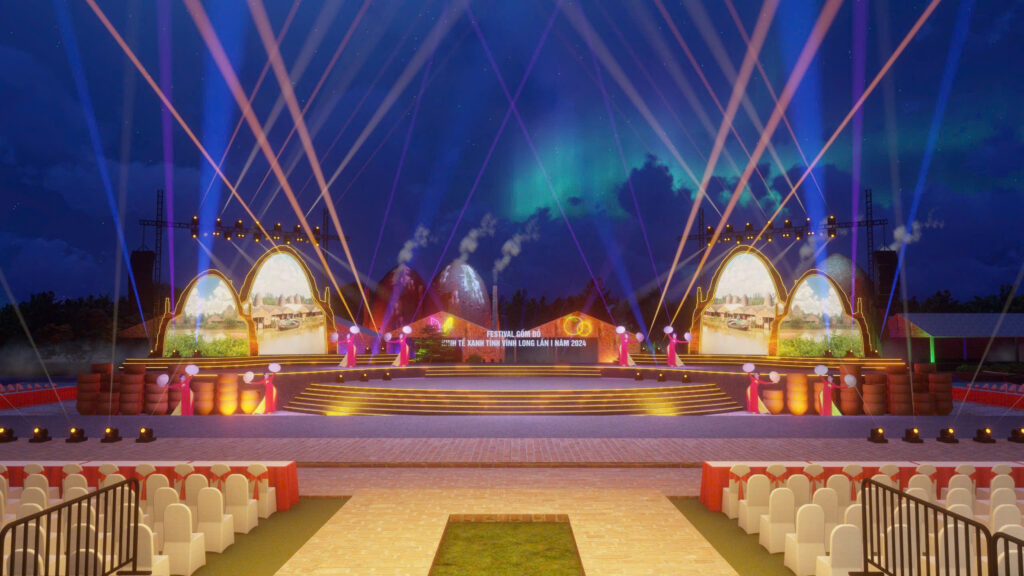
4. Explosive Media Impact – Bringing Mang Thit to the World
This festival is not just a local event but an opportunity to showcase Mang Thit on a larger scale. Every corner of the stage, every captured moment from the festival will be a unique work of art – ready to “go viral” on social media. Images of sparkling lights, vibrant boats, and lively performances will make anyone yearn to visit Mang Thit.
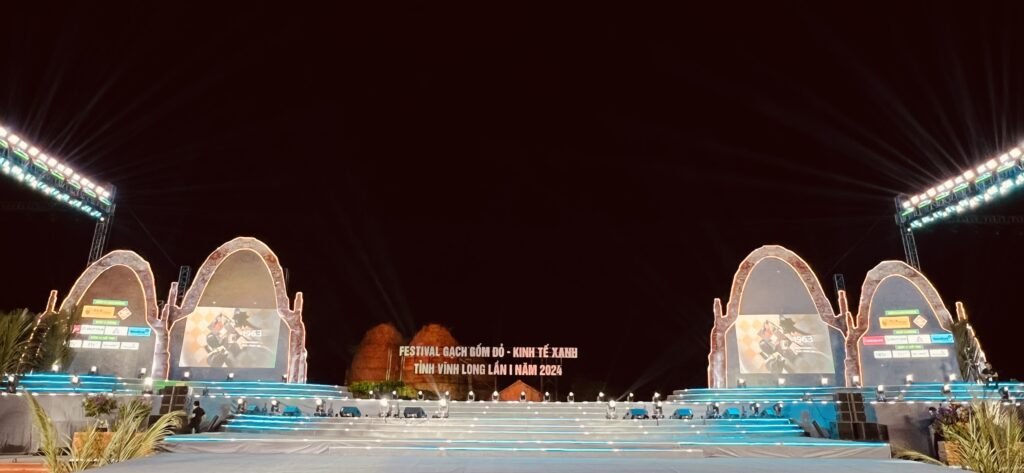
5. Conclusion – A Journey of Heritage in a New Era
The 2024 Mang Thit Brick and Ceramic Festival is not just a cultural celebration but a powerful message about the resilience of heritage and the aspiration to rise in a modern age. Come to Mang Thit to experience the beauty of its rivers, its craft villages, and its genuine people. This is not just an opportunity to explore but also a chance for everyone to rediscover a part of their roots in every brick, every smile, and every melody echoing from the rivers.

Brilliant at night and vibrant during the day.


Let’s join hands to promote Mang Thit – the cultural gem of the Mekong Delta – to proudly thrive on the cultural map of Vietnam and the world!
Next project | Mùa nước nổi
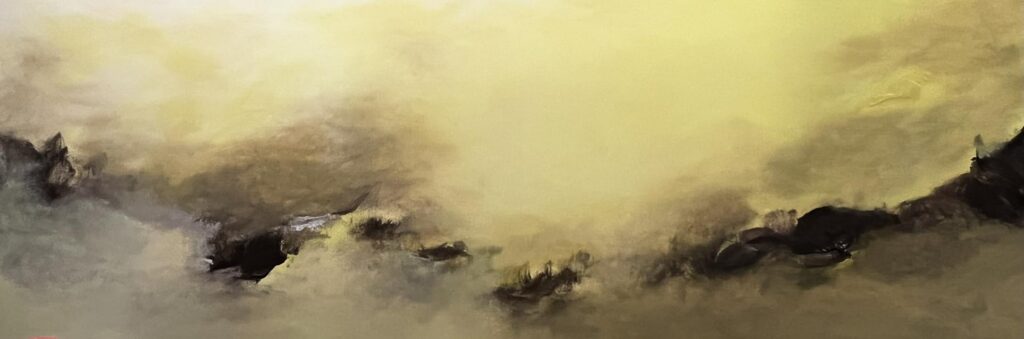
Vinhho, Acrylic on canvas, 92x252cm, Maison d’art Reserved, 2025
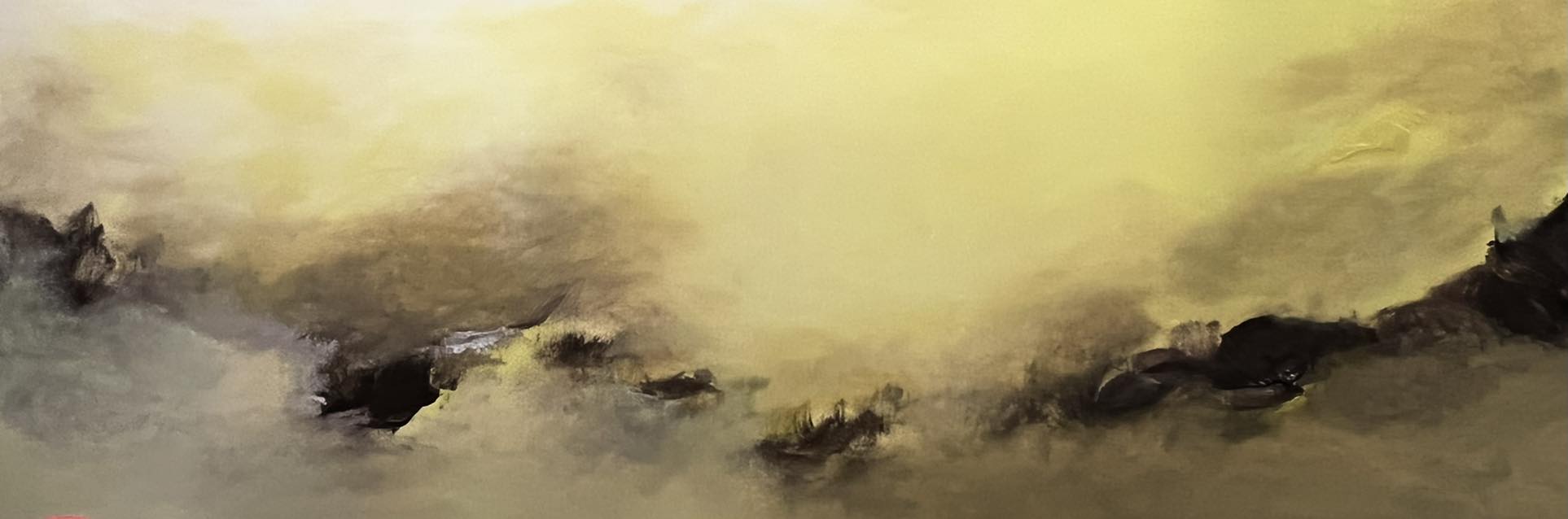
mùa nước nổi
Next project | Cold mountain
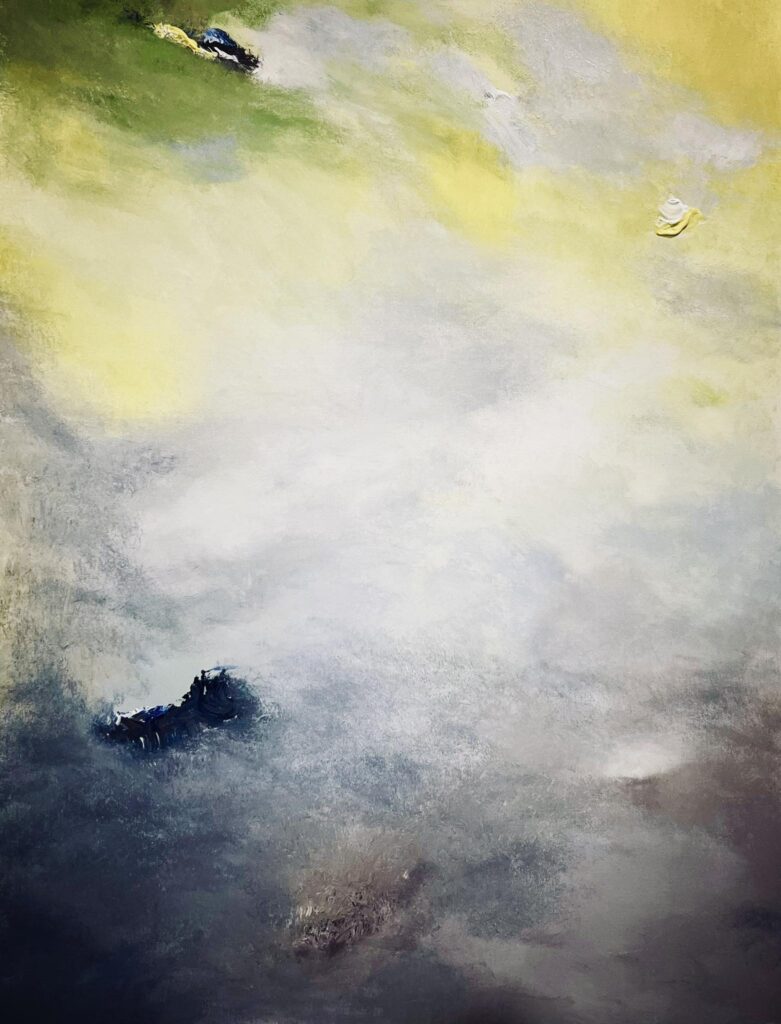
Mây khua bóng nước
hoen màu tóc,
Núi đội phong sương
rát lạnh người.
Clouds tarnish water’s mirror.
hair’s hue turns pale,
Mountains wear frost and gale
a piercing chill prevails.
Ho Viet Vinh 251025
Next project | DRIFTING
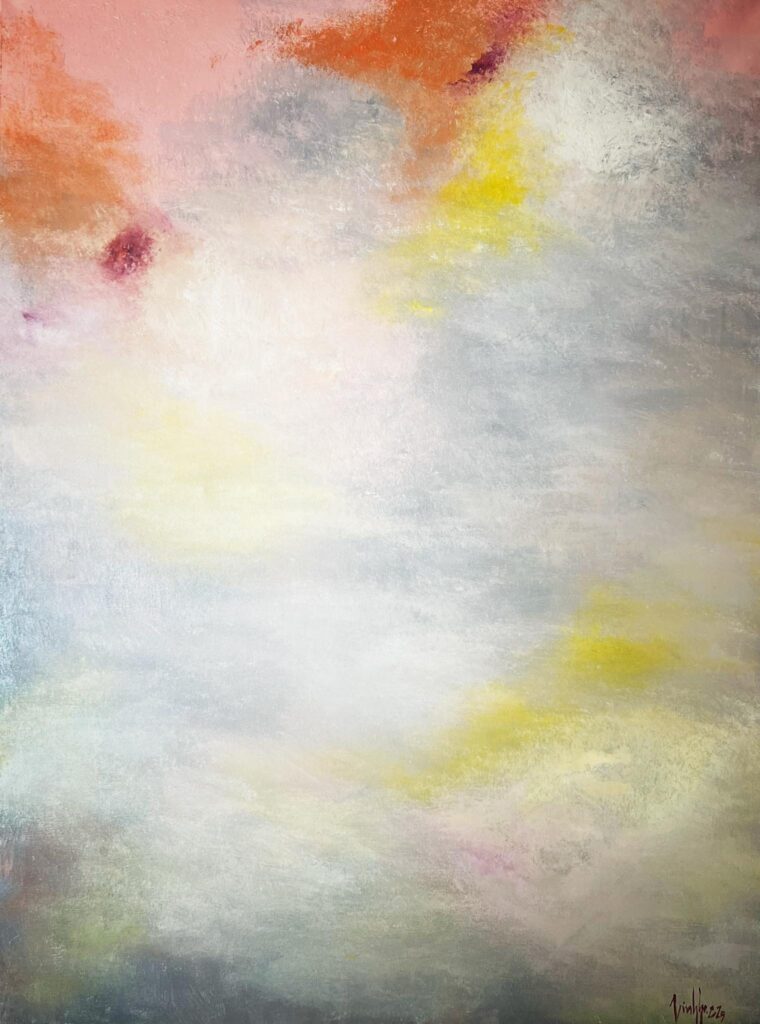
“A delicate symphony of muted hues pirouettes in the ever-changing light. Its dance mirroring the soul’s ebb and flow, serving as a melancholic ode to time’s fleeting passage and life’s ephemeral beauty: a poignant reflection of existential drift.”
Ho Viet Vinh


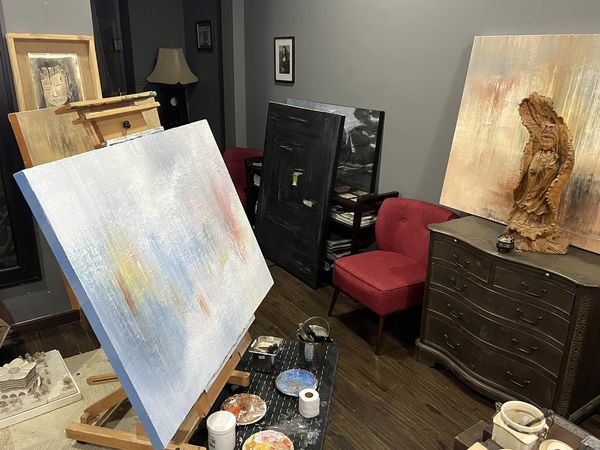
Acrylic on canvas, 130x97cm, Maison d’Art, 2024
Next project | Nostalgia
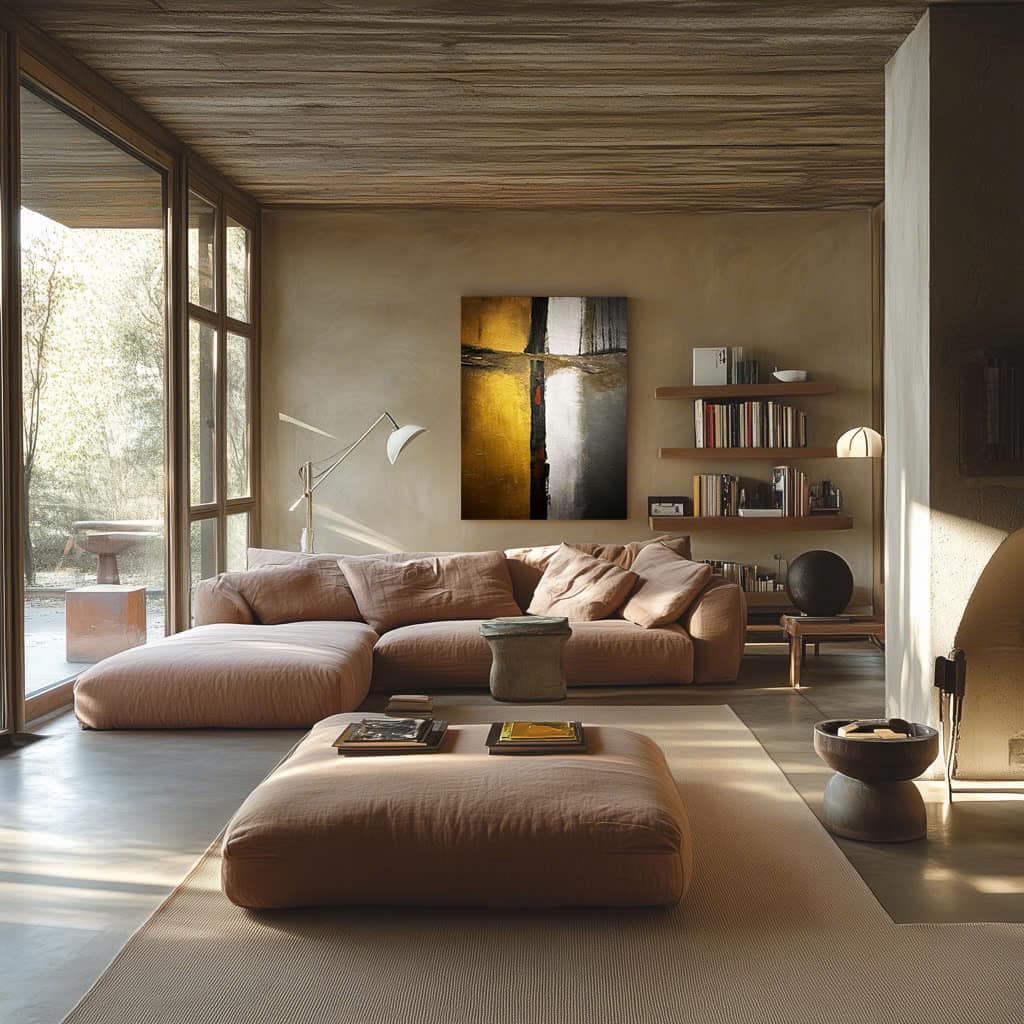
“The gentle interplay of light and shadow dances across the room, reminiscent of a fading memory. Each element, from the plush seating to the artful arrangement of books, whispers stories of bygone days. The warmth of wood and fabric envelops the senses, creating a cocoon of comfort and reflection. This harmonious blend of textures and hues captures the essence of nostalgia, a poetic journey through time, where beauty and melancholy coexist in a delicate balance.”